 Society
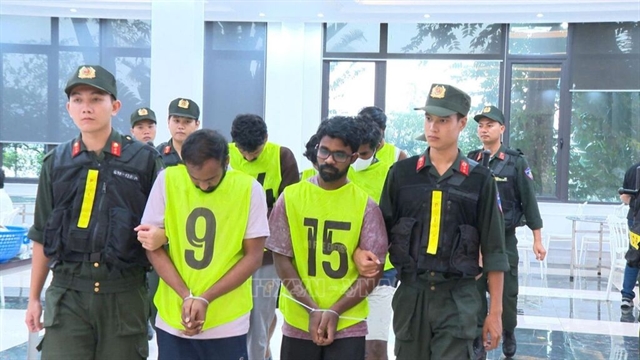
84 individuals investigated for transnational online frauds
1.
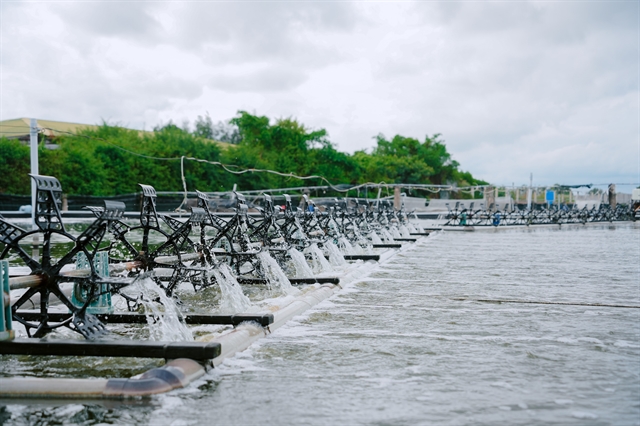 |
| High-tech shrimp farming models linked to environmental protection are attracting the investment of households and companies in Cà Mau Province. — VNA/VNS Photo |
CÀ MAU — Cà Mau Province is entering a new stage of development with solid economic growth and expanding infrastructure, aiming to become a new growth pole of the Cửu Long (Mekong) Delta.
The southernmost province recorded comprehensive results last year, with economic growth reaching about 8 per cent.
Total social investment exceeded VNĐ72 trillion (US$2.76 billion), an increase of more than 23 per cent year-on-year.
State budget revenue reached nearly VNĐ12.2 trillion ($460 million), surpassing the estimate by about 18 per cent.
Social welfare policies were implemented effectively, while the programme to remove temporary and dilapidated houses provided stable homes for thousands of disadvantaged families.
The year 2025 marked an important milestone for the province. It was the final year of the 2021–25 socio-economic development plan and a period of implementing major strategic policies, especially the restructuring of the administrative system under the two-tier local government model.
Many major transport projects are under construction, contributing to the rapid and sustainable development of the province.
A key highlight is the expansion and upgrade of Cà Mau Airport, with total investment of nearly VNĐ2.4 trillion ($91.8 million).
The project is expected to create new development momentum for the southernmost region. Construction has progressed on schedule and, in some sections, ahead of plan.
Phạm Cao Cường, deputy commander for Technical Affairs of Brigade 470 under Truong Son Construction Corporation, said that once completed, the project will help enhance connectivity for the southernmost land of Cà Mau, enabling it to reach further and strengthen links with other localities across the country.
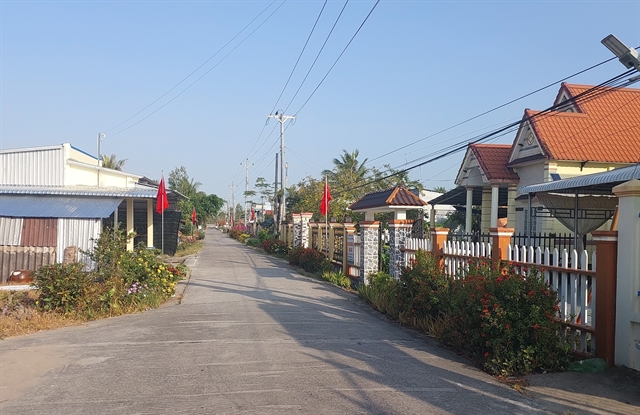 |
| Rural roads in Cà Mau Province’s Ninh Thạnh Lợi Commune have all been paved with asphalt or concrete. — VNA/VNS Photo |
People in the province, from fishermen working offshore and labourers on construction sites to farmers in rural areas, believe Cà Mau will continue to transform and rise strongly.
At Gành Hào Port in Gành Hào Commune, fishing boats returned with full catches ahead of the Tết (Lunar New Year) festival. The final fishing trips before the festival brought optimism and improved incomes for local fishermen.
Đặng Quốc Thùy, a fisherman at Gành Hào Port, said that local fishermen have worked closely with authorities in recent years to address the European Commission’s “yellow card” warning on illegal, unreported and unregulated fishing, known as IUU.
“If the IUU yellow card is lifted this year, local fishermen will be very happy as it would recognise the tireless efforts made by them and others in the area. At that point, seafood exported abroad would fetch higher prices, generating greater profits.
“This would help fishermen secure a stable income, strengthen their determination to continue going offshore, and build prosperity from the sea,” he said.
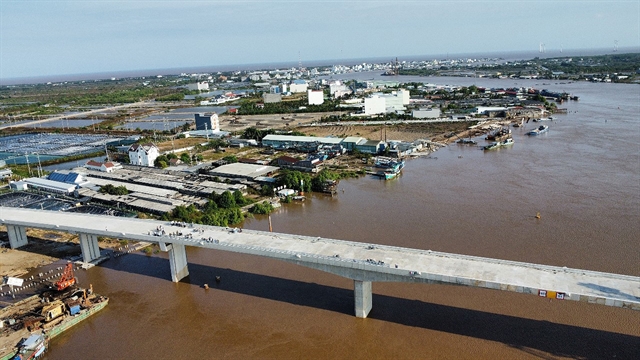 |
| A view of Gành Hào estuary in Cà Mau Province. — VNA/VNS Photo |
Farmers in the rice–shrimp farming area of Phước Long Commune, also welcomed Tết with optimism. Favourable weather and stable prices delivered a good rice harvest before Tết.
Quảng Trọng Toàn, a farmer in the commune’s Long Hải Hamlet, said his family harvested more than 3ha of ST rice before Tết.
Strong yields and good prices allowed his household to prepare for a more comfortable Tết festival, he said.
He expressed hope that authorities would continue investing in saltwater control works and irrigation systems to support production.
Cà Mau is the country’s largest shrimp producing province.
Nguyễn Hồ Hải, Secretary of the province Party Committee, said 2025 was a year of special significance.
Following the administrative merger, the province has gained new development space, while the two-tier local government model has operated smoothly, he said.
Party building has been strengthened and unity among the people further reinforced, he added.
The province’s key economic sectors such as fisheries and renewable energy have maintained stability.
Investment in major transport infrastructure has promoted the marine economy and logistics.
Strategic projects including the Cần Thơ – Cà Mau Expressway, the Cà Mau – Đất Mũi Expressway, the expansion of Cà Mau Airport and the Hòn Khoai General Dual-Use Port are under construction and gradually taking shape.
These works are expected to reshape the province’s development space.
Accelerated procedures for transport works, coastal economic zones and renewable energy projects, including wind and solar power, are opening new opportunities.
They are bringing Cà Mau closer to its goal of becoming a regional clean energy centre.
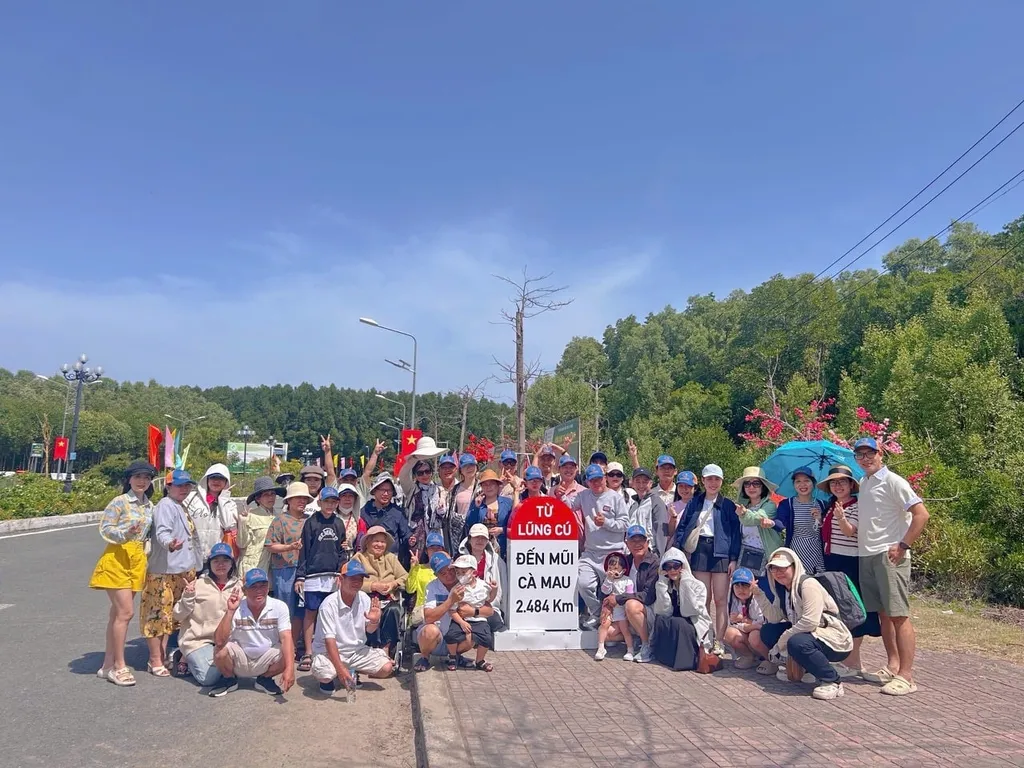 |
| Cà Mau Cape, a sacred destination at Việt Nam’s southernmost tip. — VNA/VNS Photo |
Digital transformation and social welfare programmes are also being implemented in a coordinated manner, focusing on building a service-oriented administration and improving living standards.
The year 2026 marks the first year of implementing the resolution of the first Cà Mau Provincial Party Congress for the 2025–30 term and the Resolution of the 14th National Party Congress.
Hải said that socio-economic development must remain central, Party building must be key, culture must serve as the spiritual foundation, and national defence and security must remain vital tasks.
He affirmed the strong determination of the Party Organisation, authorities, people and business community of Cà Mau to uphold the tradition of solidarity while fostering innovation and creativity.
The province is committed to effectively mobilising and utilising social resources, swiftly translating guidelines and resolutions into concrete actions, and creating clear progress from the very first year of the new term, he said. — VNS
Society
 Society
 Society
 Society
 Society
 Society
 Society
 Society
 Society
 Society
 Society
 Society
 Society
 Society
 Society