 Society
Top Vietnamese leader receives Denmark’s highest-ranked honour
1.
|
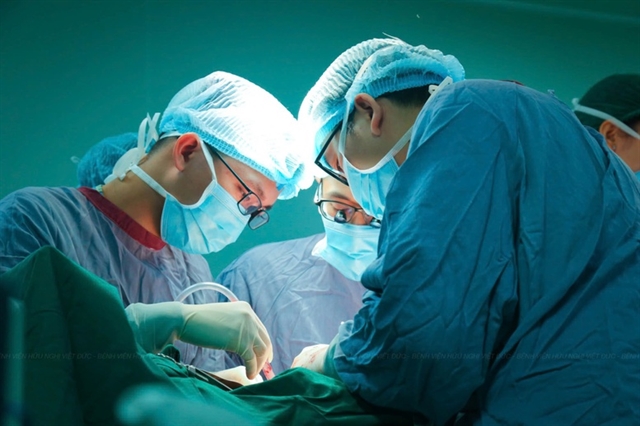
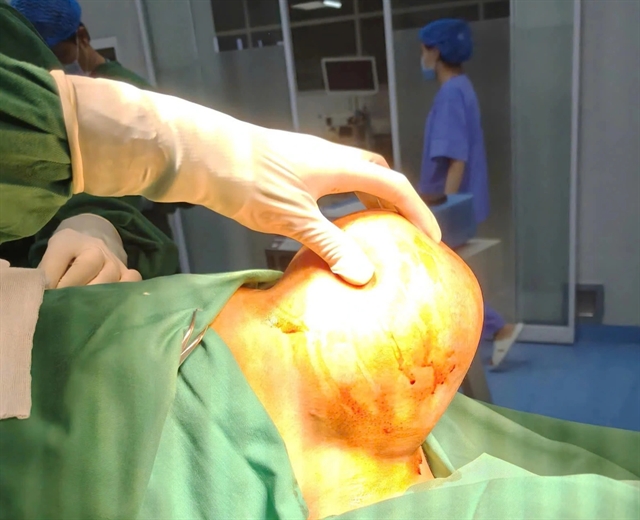
| Medical team of the Việt Đức Friendship Hospital perform the simultaneous heart-lung transplant on a patient with multiple organ failure. — Photo courtesy of the hospital |
HÀ NỘI — More than 500 local and international health experts and surgeons gather in Hà Nội on November 1 to share their expertise at the Việt Đức Friendship Hospital International Scientific Conference 2025.
The conference serves as a scientific forum for health experts to exchange the latest advances in the fields of surgery and organ transplantation, thereby promoting international cooperation and enhancing the quality of patient care in Việt Nam.
With the theme “The Role of Surgery and Organ Transplantation in the Era of Global Integration”, the conference focuses on key areas, such as organ transplantation, hepatobiliary surgery, cardiovascular-thoracic, urology, digestion, obstetrics and gynaecology, orthopaedic trauma and wound healing.
Speaking at the event, Dr Dương Đức Hùng, Director of Việt Đức Friendship Hospital, stated that over the past 20 years, and particularly the last 10 years, the Vietnamese medical sector has made significant strides in the field of organ transplantation, approaching the global standard.
“Transplant techniques have improved, shortening surgery times and helping patients recover more quickly. For example, liver transplant surgery has been reduced from an average of 12-14 hours to about six to seven hours,” stressed Dr Hùng.
|
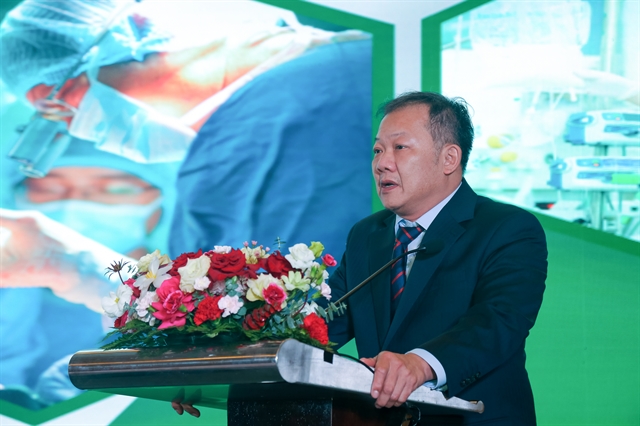
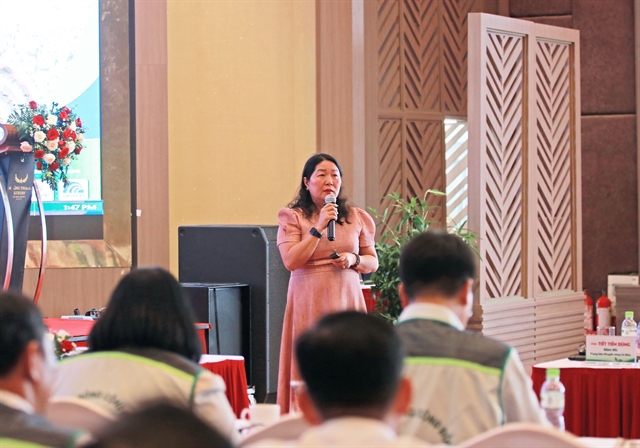
| Dr Dương Đức Hùng, Director of Việt Đức Friendship Hospital, speaks at the event. — Photo courtesy of the hospital |
Dr Hùng said that Việt Nam has been proactive in researching, applying and improving organ transplant techniques, not only learning from international experts but also sharing new experiences and techniques with them.
“The number of organ transplants, especially liver transplants, has increased significantly in recent years, demonstrating the improvement in awareness and readiness of the people.”
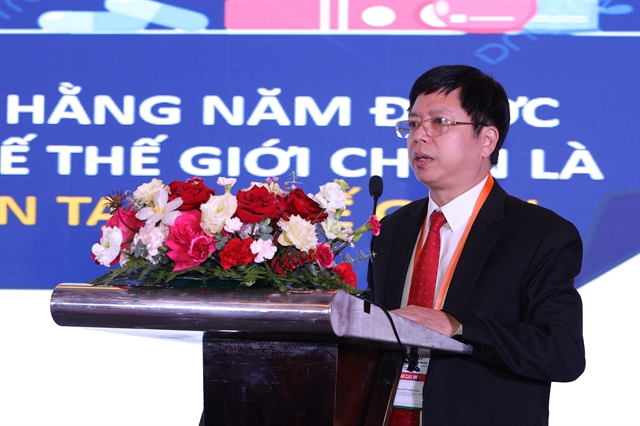
Dr Nguyễn Trọng Khoa, Deputy Director of the Department of Medical Services Administration, Ministry of Health, said that in recent years, thanks to the strong participation of the media in promoting organ and tissue donation, the number of people registering to donate and the number of organ donations after brain death have increased significantly.
Now, the number of people registered to donate organs and tissues has reached 129,711, compared to only 265 in 2014. As of April 2025, the Ministry of Health has recognised 30 hospitals qualified to collect and transplant human organs, 85 hospitals have been trained in organ donation and brain death assessment, and 12 medical facilities have been licensed to operate tissue banks.
According to statistics from the Ministry of Health, Việt Nam has performed transplants of six types of human body parts with a total of 9,805 transplants, mainly kidney transplants with 8,904 cases; 754 liver transplants; 126 heart transplants; 13 lung transplants, three upper limb transplants; two intestine transplants and hundreds of tissue transplants (corneal transplants, skin transplants, stem cells).
These numbers are considered to be a breakthrough in the field of Vietnamese organ fragments, with techniques taken from advanced countries in the region and the success rate and survival after transplant are increasingly high.
"We have performed complex multi-organ transplants, with techniques approaching those of advanced countries in the region. The number of transplants has increased over the years, and the success and survival rate after transplant are increasingly high. We have also established tissue banks, organ transplant units and coordination facilities spread from north to south," said Dr Khoa.
Amending the law to increase organ donation sources
Experts also expressed much concern about the contents in the draft of amending the Law on Donation, Removal and Transplantation of Human Tissues, Organs and Cadavers 2006.
|
| Dr Nguyễn Trọng Khoa, Deputy Director of the Department of Medical Services Administration, Ministry of Health, speaks at the event. — Photo courtesy of the hospital |
Dr Khoa said that in the draft revised Law on Donation, Removal and Transplantation of Human Tissues, Organs and Cadavers, the Ministry of Health proposed to allow people under 18 years old to donate after brain death if they have the consent of their parents/guardians.
The draft also adds regulations on circulatory death to allow organ and tissue donation. At the same time, it will loosen the mandatory time for forensic examination of brain-dead donors and add a diagnostic imaging expert to determine whether a person is brain-dead or not, to increase the assessment.
The amended law will also create a legal corridor for regenerative medicine, prevent commercialisation, and ensure safety and humanity. At the same time, the amended law also adds regulations for research on the right to donate, collect, preserve and use stem cells, blood and stem cell products.
The director of Việt Đức Friendship Hospital said that the Law on Donation, Removal and Transplantation of Human Tissues, Organs and Cadavers 2006 has many outdated points.
“Therefore, it is necessary to amend regulations to create a complete legal corridor, such as expanding the subjects allowed to donate organs (including children); simplifying procedures, reducing the consent of the family after the donor has registered; and supplementing regulations on criteria for diagnosing brain death and brain death.”
In the field of organ transplantation, with the role of "core" hospitals such as Việt Đức Friendship Hospital, Dr Hùng said that the hospital will continue to transfer technology and improve capacity for other hospitals.
In addition, hospitals that want to implement organ transplantation techniques need to continue to invest, upgrade facilities and medical equipment, and train highly specialised human resources. — VNS
Society
 Society
 Society
 Society
 Society
 Society
 Society
 Society
 Society
 Society
 Society
 Society
 Society
 Society
 Society