 Politics & Law

ONYX Hospitality Group Invites Travellers to Discover Phuket and Penang Through Faith, Heritage and Relaxation
1.
|
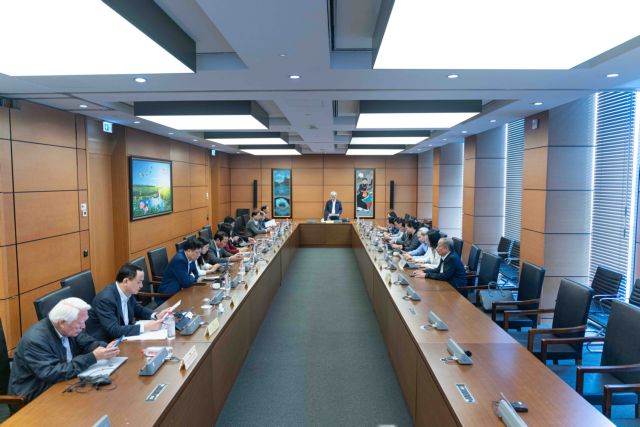
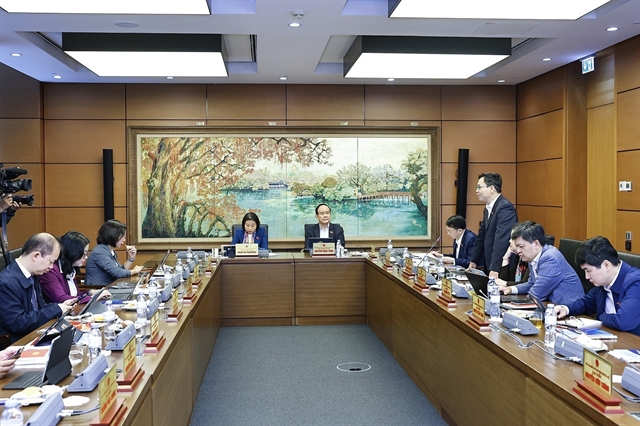
| Deputies from Hưng Yên Province and Hải Phòng City during the group discussions. — Photo quochoi.vn |
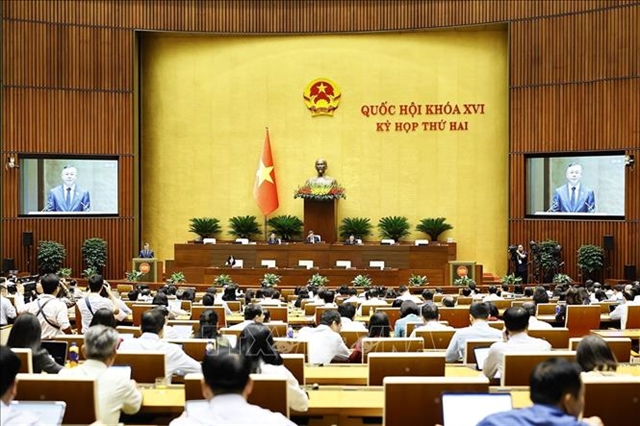
HÀ NỘI — During group discussions on Thursday, National Assembly deputies from Hải Phòng City and Hưng Yên Province reviewed the amended Law on Construction, the amended Law on Geology and Minerals and made adjustments to several regulations in the agriculture and environment sector.
While deputies welcomed the aim of reducing procedures and improving decentralisation, many cautioned that the proposed revisions could lead to inconsistencies, weak enforcement and new loopholes if not carefully refined.
Avoiding overlaps
Deputy Nguyễn Thị Việt Nga from Hải Phòng City raised concerns about inconsistencies between the amended Law on Construction and the Law on Cultural Heritage. She said that if the amended law is applied first, the current requirement to stop construction when artefacts are discovered could be weakened. She suggested adding a clear provision requiring work to be halted in such cases.
She also questioned the shift from pre-inspection to post-inspection. Many local authorities, she said, do not have enough qualified construction specialists, making it unclear how violations would be detected or prevented. She warned that fines alone could be insufficient if buildings are simply completed and accepted later.
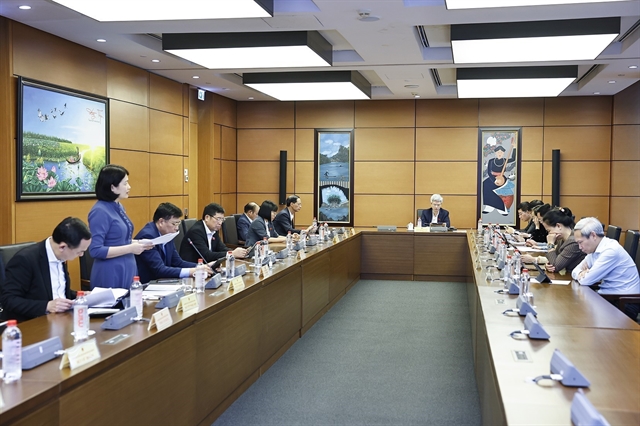
Deputy Nguyễn Ngọc Sơn from Hải Phòng City recommended setting a compulsory schedule for digital transformation, incentives for green buildings, and technical oversight when investors self-adjust designs. He also proposed that State agencies retrieve data from existing systems rather than require citizens to submit documents repeatedly.
Stronger control in mineral licensing
On the amended Law on Geology and Minerals, several deputies stressed that decentralisation must be matched with transparent supervision.
Deputy Đoàn Thị Thanh Mai from Hưng Yên Province said expanding local licensing without strong monitoring risks resource loss and reduced revenue.
She also emphasised the need for a clearer legal definition of 'deep processing' – specifying whether it covers only initial ore refinement or extends to higher-value stages such as separation, purification and the production of finished materials – to ensure transparency in licensing and investment incentives.
Deputy Nguyễn Chu Hồi from Hải Phòng City cautioned against legal loopholes that could allow large ore deposits to be divided into smaller units to circumvent licensing requirements. Meanwhile, Deputy Nguyễn Văn An from Hưng Yên Province, representing the verifying committee, outlined six priority issues, including improving management of ordinary construction materials and creating a more workable framework for deep exploration and mine expansion.
|
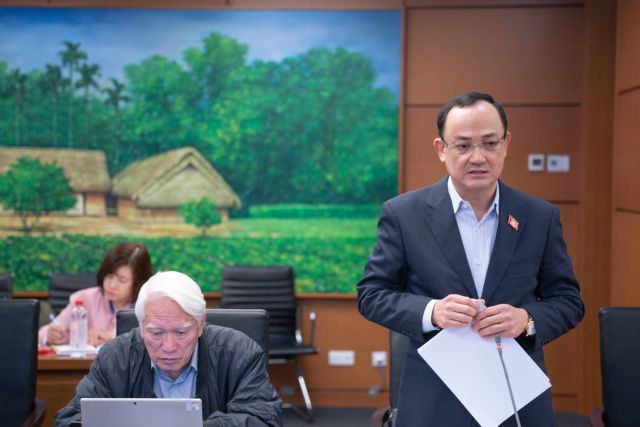
| Deputy Nguyễn Ngọc Sơn from Hải Phòng City at the discussion session. |
Clarifying risk controls
Debate on amendments to laws under the agriculture and environment sector focused on environmental safety, procedural clarity and enforcement.
Deputy Sơn argued that the list of 20 existing bottlenecks is incomplete and criticised the wording in the amended Law on Dykes that could retrospectively legitimise illegally built structures. On plant quarantine, he said that allowing imports of plants with soil attached increases the risk of harmful organisms entering Việt Nam and said this risk should be addressed directly in the law, not left to later guidance.
Regarding environmental impact assessments (EIAs), Deputy Nguyễn Văn Huy from Hưng Yên said clearer criteria are needed to define which urgent public projects may be exempt from EIAs. He cautioned against investors dividing a project into smaller phases to reduce assessment requirements.
Deputy Lã Thanh Tân from Hải Phòng argued that several provisions may conflict with the Law on Investment, particularly those granting ministers authority to set business conditions. He also proposed streamlining procedures for marine aquaculture by combining several approvals into one.
Deputy Hồi stressed the need to strengthen measures to combat illegal, unreported and unregulated fishing. He suggested formalising some administrative sanctions already applied in practice and expanding collaboration with communities and enterprises in managing marine protected areas. — VNS
Politics & Law
 Politics & Law
 Politics & Law
 Politics & Law
 Politics & Law
 Politics & Law
.jpg) Politics & Law
Politics & Law
 Politics & Law
 Politics & Law
 Politics & Law
 Politics & Law
 Politics & Law
 Politics & Law
.jpg) Politics & Law
Politics & Law
 Politics & Law
.jpg)