 Opinion

Digital transformation opens new prospects for sports medicine in HCM City
1.
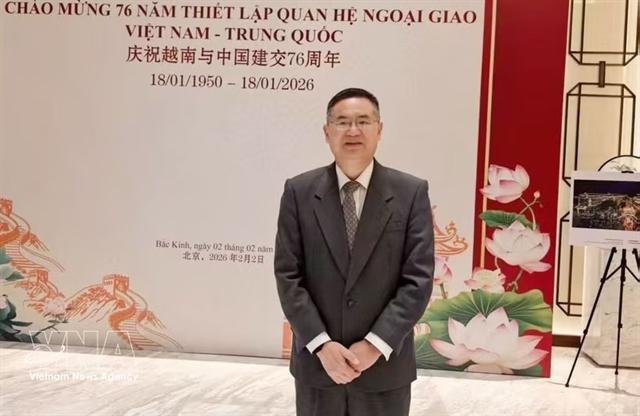 |
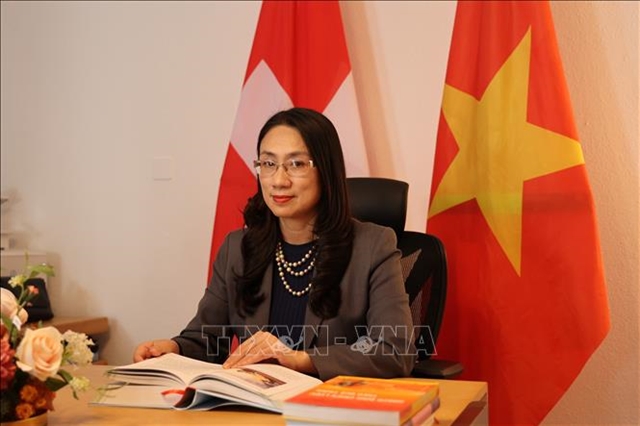
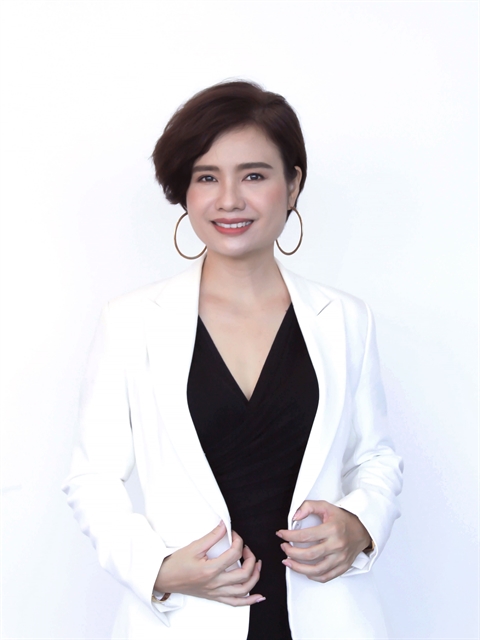
| Prof. Dr. Cheng Hanping, Executive Director of the Institute of Regional and Country Studies and Director of the Việt Nam Research Centre at China's Zhejiang University of Technology. VNA/VNS Photo |
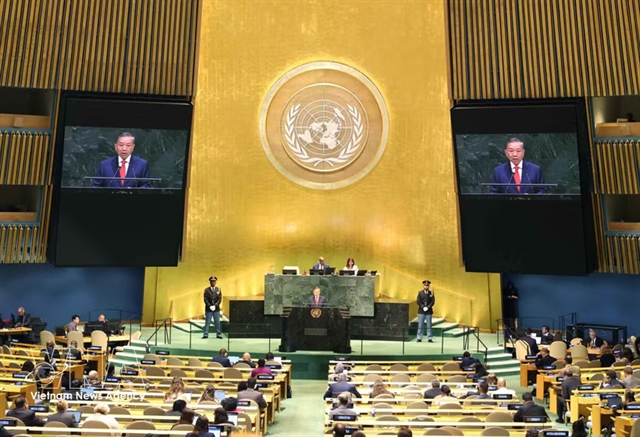
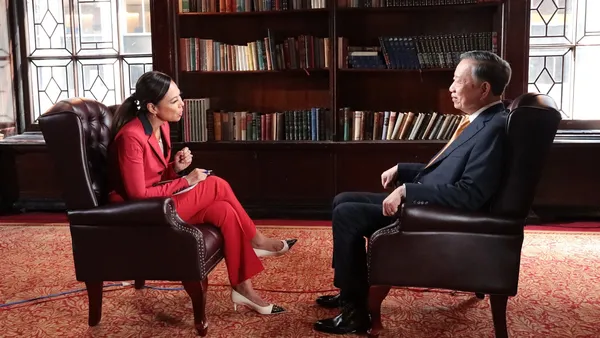
HÀ NỘI — The four key points featured in General Secretary of the Communist Party of Việt Nam Central Committee and President Tô Lâm’s address at the High-Level General Debate of the United Nations General Assembly’s 81st session (UNGA 81) reflect views commonly shared by the international community, said Prof. Dr. Cheng Hanping, Executive Director of the Institute of Regional and Country Studies and Director of the Việt Nam Research Centre at China's Zhejiang University of Technology.
First, General Secretary and President Lâm emphasised cooperation and trust based on international law, with a view to restoring order to a chaotic international system and addressing disorder in global governance, while affirming the role and standing of the UN and the importance of maintaining its credibility.
Second, he underscored the principles of fairness, humanity and inclusiveness, with a view to fixing shortcomings in global governance today.
Third, he reaffirmed the importance of technology governance, issuing timely warnings about the ethical and legal challenges arising from the rapid development of artificial intelligence (AI), as well as potential threats to humanity in the future.
Fourth, the top Vietnamese leader made clear that the world needs to continue pursuing multilateralism rather than unilateralism, specifically by striving to build a fair and inclusive world within the UN framework and based on international law.
Finally, he highlighted Việt Nam’s position of respecting international law, promoting dialogue, settling disputes by peaceful means, and contributing to peace in the region and the world.
The expert held that General Secretary and President Tô Lâm's recent visits to several countries and his trip to New York to attend the High-Level General Debate of UNGA 81 signal the growing emphasis by Việt Nam’s leadership on a diplomatic strategy of diversification and balance in response to the increasingly complex and uncertain global landscape.
This diplomatic approach is expected to create greater room for Việt Nam's development, enabling it to build extensive friendly relations and advance bilateral ties alongside economic and trade relations, he said.
In addition, proactively expanding its presence on the international stage not only reflects the spirit of “strategic autonomy” clearly defined at the 14th National Party Congress, but also continuously enhances the country's international standing, laying an important foundation for the country to host the Asia-Pacific Economic Cooperation (APEC) Economic Leaders' Meeting in 2027. — VNA/VNS
Opinion
.jpeg) Opinion
Opinion
 Opinion
 Opinion
 Opinion
 Opinion
 Opinion
 Opinion
.jpg) Opinion
Opinion
 Opinion
 Opinion
 Opinion
 Opinion
 Opinion
 Opinion