 Opinion

Preserving heritage and harnessing cultural strength in a new era
1.
|
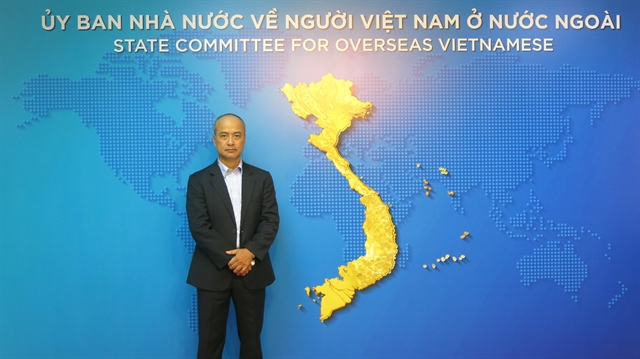
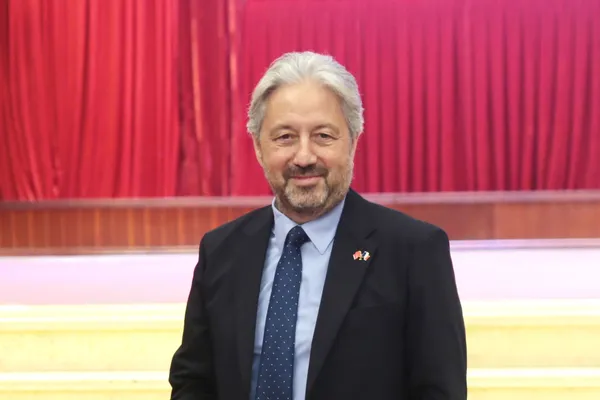
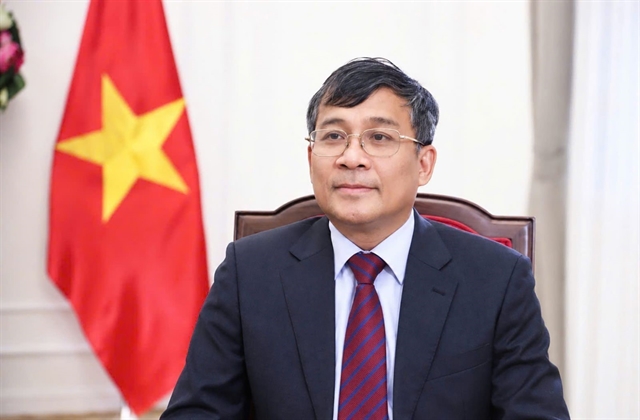
| Nguyễn Trung Kiên, chairman of the State Committee for Overseas Vietnamese under the Ministry of Foreign Affairs. — VNS Photo Nguyễn Hằng |
Nguyễn Trung Kiên, chairman of the State Committee for Overseas Vietnamese under the Ministry of Foreign Affairs, talks to Việt Nam News reporter Nguyễn Hằng about the most significant shifts in the Party’s thinking regarding the role and status of the overseas Vietnamese community as outlined in Resolution 23 and breakthrough solutions to bring about a distinct transformation in overseas Vietnamese affairs while building an effective ecosystem connecting the State with the diaspora.
Politburo Resolution 23, dated August 2, marks a new stage in the Party's thinking and approach to work concerning overseas Vietnamese. What is the most important new feature in the resolution regarding the role and position of the overseas Vietnamese community?
The most important new feature is that the Party has elevated its thinking about the overseas Vietnamese community, moving towards a new approach of enabling and harnessing their resources for national construction and defence.
If Resolution 36 issued in 2004 laid a crucial foundation in recognising overseas Vietnamese as an inseparable part of the Vietnamese nation, then more than 20 years later, Resolution 23 takes this thinking a step further. It confirms that overseas Vietnamese are not merely the target of mobilisation and support efforts, but also actors and an important strategic resource, contributing to the country's overall national strength. They serve as a bridge between Việt Nam and the world and can directly participate in national construction, development and defence.
This is highly significant in the current context. The community of more than 6.5 million Vietnamese people in over 130 countries and territories is increasingly mature and well integrated. It includes experts, intellectuals, scientists, entrepreneurs, artists and young people with international knowledge and skills, many of whom have influential positions in their host countries. This represents a major pool of resources in terms of knowledge, technology, capital, international relations, management experience and soft power.
The core spirit of the resolution can therefore be summed up as a shift from mobilising to guiding, from providing support to creating enabling mechanisms and from tapping individual resources separately to building an ecosystem in which these resources can be connected and generate greater impact.
I would stress that the resolution places work concerning overseas Vietnamese within the broader framework of the Party’s development and foreign policy. Overseas Vietnamese are people who maintain strong ties with their homeland. They can also directly participate in the country's international integration process, bringing knowledge, technology, experience and international networks to Việt Nam while serving as natural ambassadors for Vietnamese culture, the country and its people in the places where they live.
From this perspective, I believe the resolution conveys a very clear message: the country not only cares for the overseas Vietnamese community, but also looks to overseas Vietnamese as an important strategic resource, expanding opportunities for them to participate in and co-create the country's future. This represents a new and long-term development in thinking about work concerning overseas Vietnamese.
|
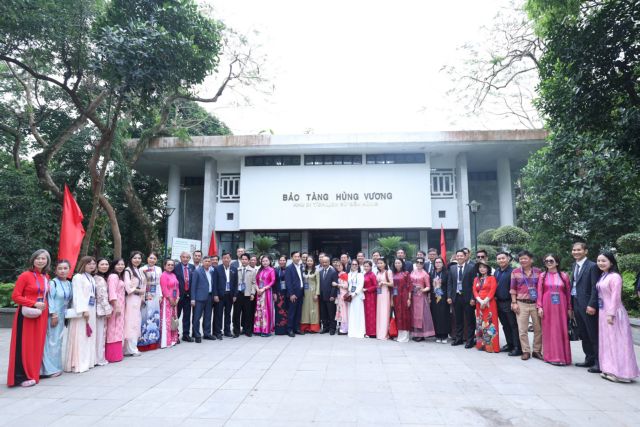
| On Hùng King Commemoration Day, a delegation of 60 outstanding overseas Vietnamese from 20 countries and territories offered incense at the Hùng Kings Temple Historical Site in Phú Thọ Province. — VNA/VNS Photo Tạ Toàn |
What does the resolution require to turn the intellectual, technological, business and international resources of overseas Vietnamese into a truly important resource for national development?
Resolution 23 places strong emphasis on nurturing patriotism, the aspiration to contribute and national pride, while promoting overseas Vietnamese as a bridge of friendship and an important resource connecting national strength with the current era.
It calls for comprehensive and breakthrough policies and an open, favourable environment to attract and effectively harness the expertise and resources of overseas Vietnamese. It also seeks to strengthen links within the community through a sustainable ecosystem connecting experts, intellectuals, scientists and entrepreneurs to contribute to national construction, development and defence.
These requirements build on the continuing value of the guiding viewpoints set out in Resolution 36, particularly the call to strongly nurture patriotism, aspirations to contribute and national pride.
The Resolution 23 goes beyond simply mobilising and encouraging overseas Vietnamese. It sets out a more concrete approach to harnessing their intellectual resources by developing global networks and a global talent map of Vietnamese people, with priority given to strategic and core technologies.
The resolution outlines four groups of solutions: institutions and policies, working environments and conditions, connectivity and cooperation and training and communications.
These provide fresh momentum for national development in the era of the nation’s rise and a framework for ministries, sectors and localities to develop policies and programmes that make more effective use of overseas Vietnamese expertise and intellectual resources.
|
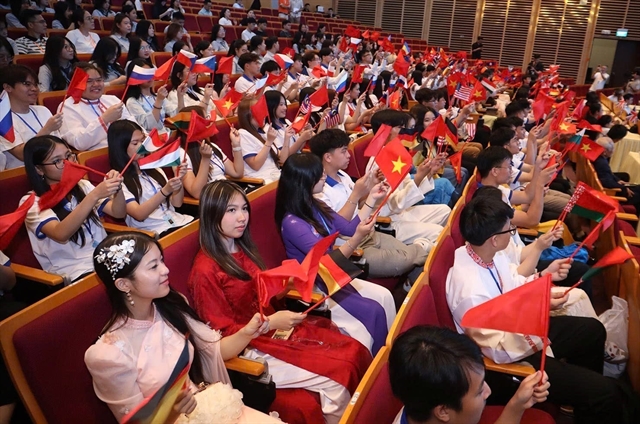
| Overseas Vietnamese delegates attending the 2026 Việt Nam Summer Camp, themed 'Journey of Heritage, Connecting to Roots in July'. VNA/VNS Photo |
The resolution aims to create better conditions for overseas Vietnamese to participate more deeply in national development and safeguarding the country. In your view, which mechanisms and policies should be prioritised to enable them to contribute more substantively, from ideas and expertise to investment, technology transfer and national development programmes?
Resolution 23 marks a shift from simply attracting the intellectual resources of overseas Vietnamese to creating, connecting and supporting them. While all the solutions outlined are important, I believe institutional and policy reforms should be the top priority.
The Party, State and Government need to establish a comprehensive and consistent policy framework for overseas Vietnamese experts and intellectuals. Việt Nam does not lack their expertise; what is needed is a unified mechanism that not only offers appropriate incentives but also empowers experts to participate from the outset, including in identifying problems. This reflects a shift from preferential treatment to effective use of talent, and would ensure consistent implementation from central to local levels.
Equally important is a national coordinating body with sufficient authority to mobilise overseas Vietnamese expertise. It could build and maintain databases and networks of experts, match domestic development needs with appropriate expertise, and create a knowledge map to facilitate connections.
With these mechanisms in place, Việt Nam could strengthen cooperation among the State, educational institutions, businesses and experts. The State would set strategic directions, research institutions would identify specific tasks, and businesses would help commercialise and scale up research results, narrowing the gap between research and the market.
The coordinating body could also gather overseas experts’ recommendations on policies and development strategies, enabling them to contribute from afar while helping address bottlenecks in socio-economic development.
The Ministry of Foreign Affairs, the State Committee for Overseas Vietnamese Affairs and Vietnamese representative missions abroad could serve as connecting nodes linking overseas experts with domestic needs and fostering their confidence, pride and desire to contribute to the homeland. This would enable Việt Nam to make more effective use of its overseas intellectual resources.
|
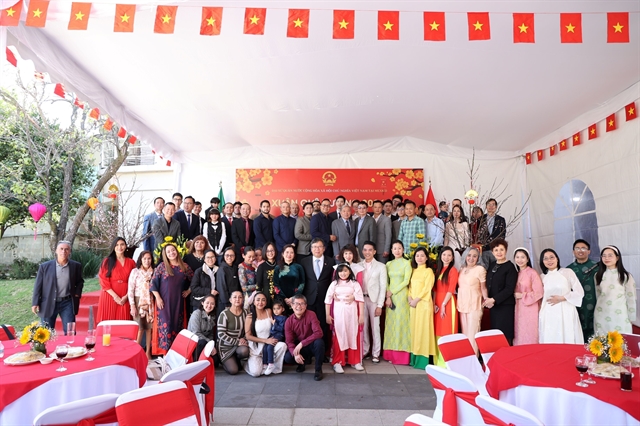
| Vietnamese people celebrate Tết (Lunar New Year) in Mexico. — VNA/VNS Photo Phi Hùng |
What breakthrough tasks will the State Committee for Overseas Vietnamese Affairs focus on to implement Resolution 23?
The resolution identifies seven major groups of tasks and solutions. For the State Committee for Overseas Vietnamese Affairs, our guiding spirit will be to elevate our thinking, renew our approach, take decisive action and focus on tangible results.
First, we will translate the resolution into practical mechanisms, policies and programmes, particularly those creating a favourable environment for overseas Vietnamese to realise their potential and contribute more deeply to national development. The goal is to move beyond simply mobilising people towards mechanisms that connect expertise and resources with genuine domestic needs.
Next, we will focus on building networks connecting overseas Vietnamese, shifting from simply having a network to developing an ecosystem capable of generating results. The committee will focus on connecting and coordinating ministries, sectors, localities, businesses, research institutes, universities and overseas Vietnamese organisations. Particular attention will be paid to linking Vietnamese experts, scientists, entrepreneurs, artists and younger generations worldwide according to specific fields, locations and needs.
Third, we will prioritise high-quality overseas Vietnamese resources in areas where the country has pressing needs and the community has particular strengths, including science and technology, innovation, digital transformation, education, healthcare, finance, international business and emerging technologies. We aim to move from individual contributions to structured cooperation programmes with clear partners, outputs and wider impact.
We will also continue building a united, developed and well-integrated overseas Vietnamese community with strong links to the homeland, particularly among younger generations. Preserving the Vietnamese language, culture, identity and traditions will provide a foundation for young Vietnamese around the world to maintain their connection with Việt Nam and promote the country's culture and image.
Finally, we will renew ways of connecting with and providing information to overseas Vietnamese, while encouraging them to become active participants in communications about Việt Nam. In the digital age, communication cannot be one way. We need platforms where overseas Vietnamese can connect, share, participate and spread positive stories about the country. We will also strengthen our organisational capacity, personnel and coordination mechanisms to ensure that overseas Vietnamese affairs can meet new requirements.
The effectiveness of Resolution 23 must be measured through concrete results: more experts participating in programmes in Việt Nam, more initiatives and resources put into use, more effective networks of experts, entrepreneurs and young intellectuals, and more practical solutions to the concerns of overseas Vietnamese.
Our aim is to establish a new approach in which the State creates the foundations and enabling mechanisms, agencies and businesses provide spaces for cooperation and overseas Vietnamese become active participants and co-creators. If we can achieve this, the connectivity ecosystem will not merely be a concept. It must become an ecosystem with participants, operating mechanisms and regular connections and, most importantly, one that produces concrete products, projects and value for the country.
This is also how we are translating the spirit of Resolution 23 into action: by turning the feelings and bonds of overseas Vietnamese with their homeland into substantive connections, turning resources into results and turning the engagement of more than 6.5 million Vietnamese people abroad into an additional source of strength for the nation in the new era. — VNS
Opinion
 Opinion
 Opinion
 Opinion
 Opinion
 Opinion
 Opinion
 Opinion
 Opinion
 Opinion
 Opinion
 Opinion
 Opinion
 Opinion
 Opinion