As the National Day holiday approaches, Vietnamese travellers are increasingly choosing destinations that offer more than beautiful scenery. From heritage cities and coastal festivals to immersive cultural experiences, meaningful journeys are redefining the country's tourism landscape.
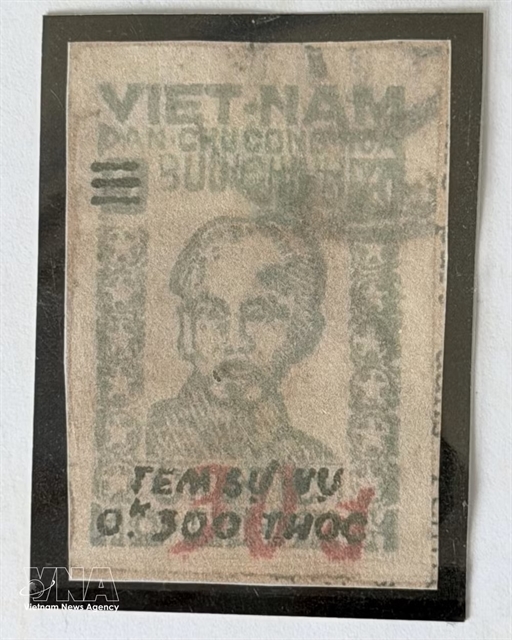
After more than six decades devoted to philately, Huệ has amassed around 10,000 Vietnamese stamps and more than 300,000 international stamps from 60 countries and territories.
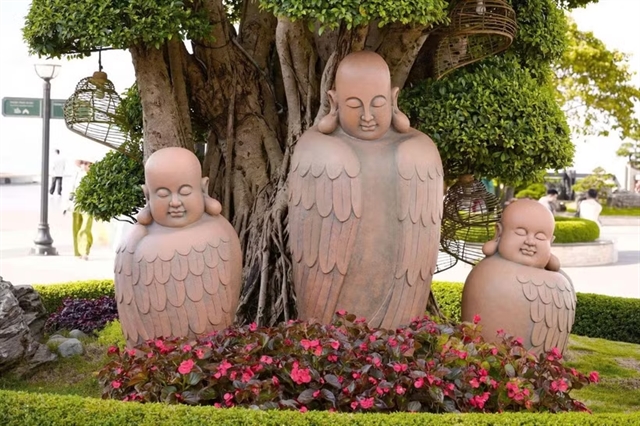
Entitled 'Kinh Gốm – Thanh Âm Thế Gian' (Ceramic Sutras – The Sounds of the World), the exhibition will feature more than 400 Buddhist-inspired works by artist Nguyễn Tuấn (aka Tuấn Gốm) and artisans of the Phù Lãng Ceramic Village in Bắc Ninh Province.
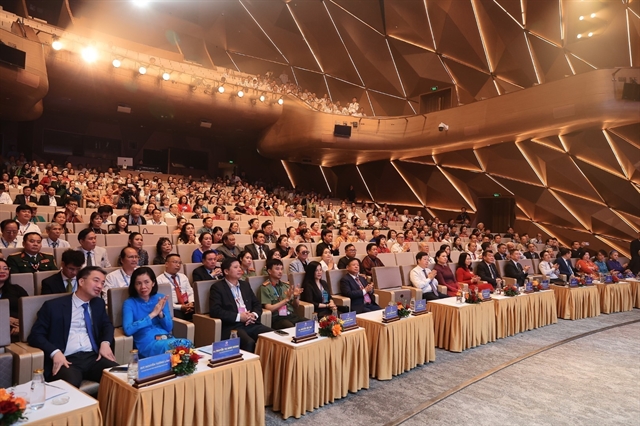
The VSAA Chairwoman stressed that the theatre sector must continue to renew its creative thinking, improve the quality of theatrical productions, uphold traditional values, embrace the best of world culture, and accelerate the application of science, technology and digital transformation to meet the public's growing cultural needs.
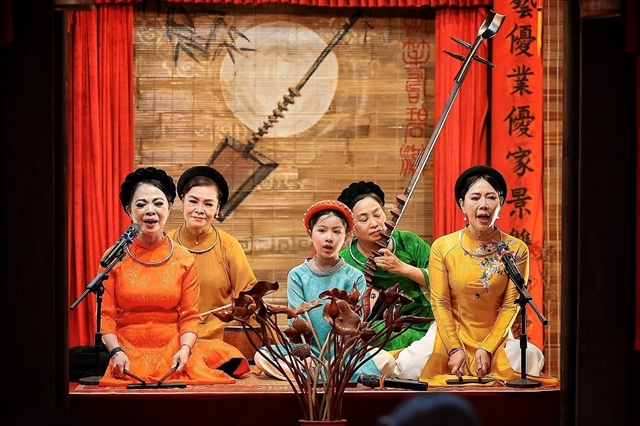
Every Saturday, a free class at Bích Câu Đạo Quán, Hà Nội, brings together learners of all ages to explore one of Việt Nam's oldest chamber music traditions. Through community-based teaching, artists are passing on the UNESCO-recognised art form to ensure it lives on for future generations.
Its smart tourism platform is expected to receive at least 100,000 visits a year, while at least 70 per cent of tourism businesses will regularly update information on the system.
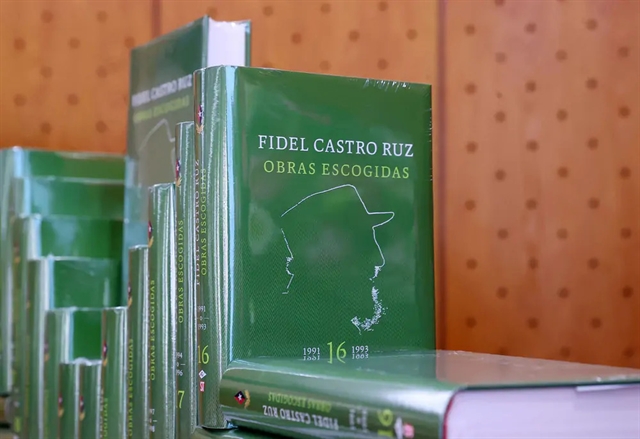
A 24-volume Spanish-language collection of selected works by Cuban revolutionary leader Fidel Castro Ruz has been unveiled in Hà Nội ahead of the centenary of his birth, offering an important resource for researchers and readers interested in his life, political thought and the enduring friendship between Việt Nam and Cuba.
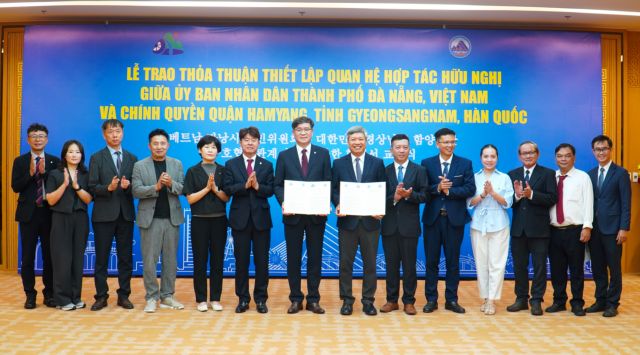
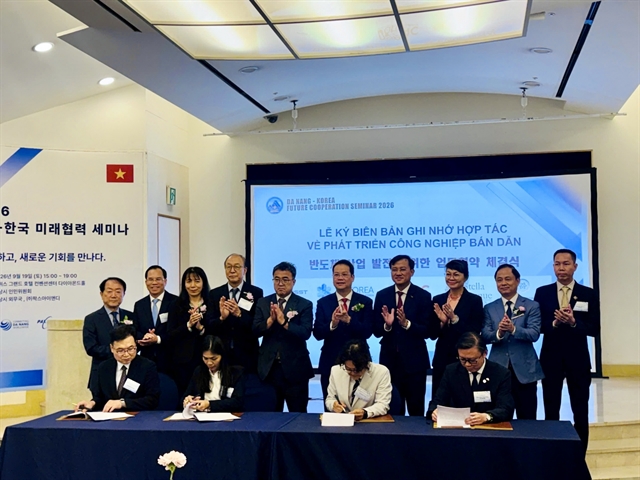
Đà Nẵng and Hamyang County in the province of Gyeosangnam, South Korea, have signed a Memorandum of Understanding of friendship and cooperation focusing on high-tech farming, culture, education, tourism and people-to-people exchanges, as well as on research and production of Ngọc Ling or Vietnamese ginseng (Panax vietnamensis).
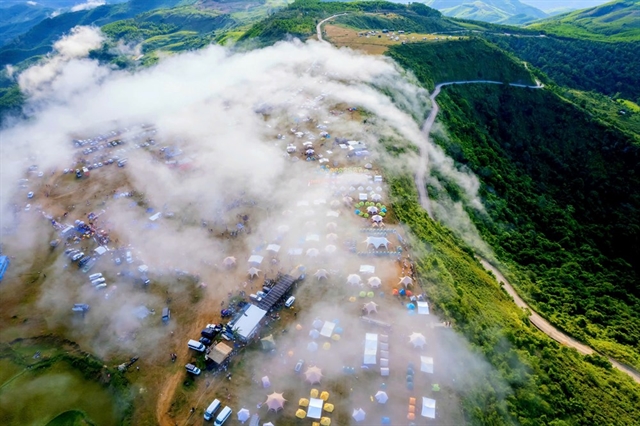
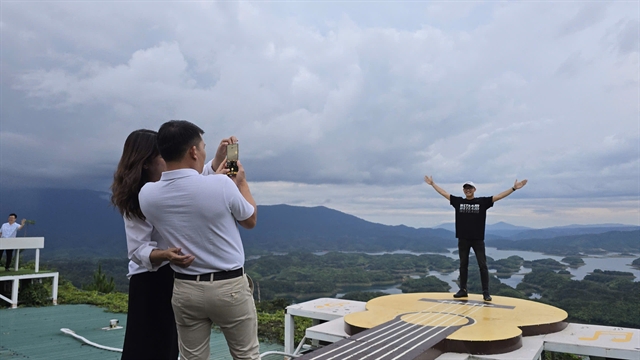
Visitors also have the opportunity to go cloud-hunting, watch the sunrise, explore the cultural identity of the Hrê ethnic minority people, and interact with the local community.
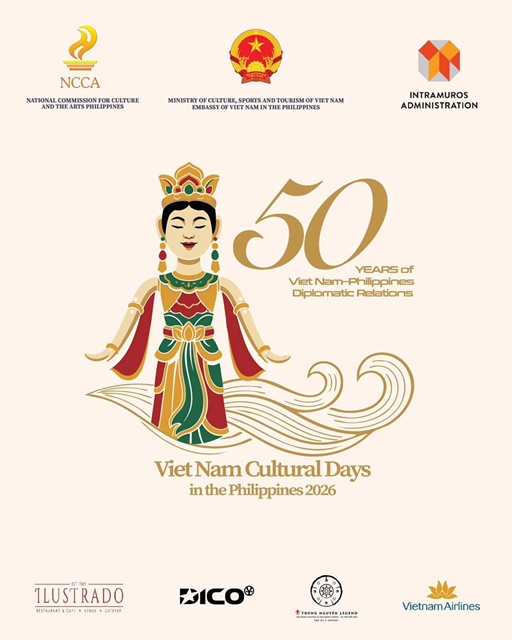
Visitors will also have the opportunity to experience Vietnamese coffee culture, discover Vietnamese fashion and take part in interactive cultural activities designed to introduce Vietnamese culture to local audiences.
This Q&A outlines the family circumstance deductions available to foreign residents in Việt Nam, including the applicable amounts, eligible dependants and income conditions.
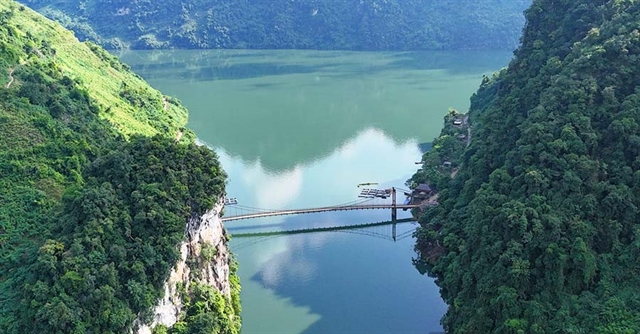
Known for its quiet beauty and fresh air, the area is now taking steps to make the travel experience smoother, with a growing focus on digital tools.
The events are aimed to honour the lives, legacies, ideals and immense contributions of President Hồ Chí Minh and Commander-in-Chief Fidel Castro to the struggles for national liberation and the building and defence of their respective nations, Việt Nam and Cuba.
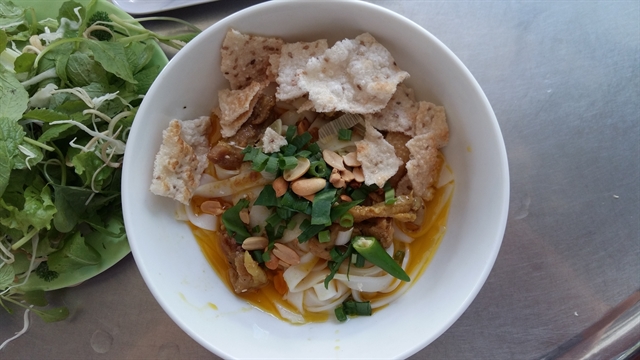
Mỳ Quảng restaurants can be easily found throughout Đà Nẵng, Hội An, but centuries-old Phú Chiêm Village on the banks of the Thu Bồn River is known as the original home of the traditional spicy meal.
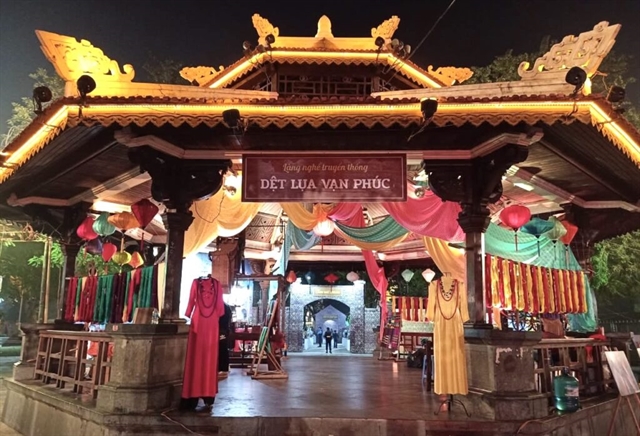
With its millennia-old heritage and growing integration of preservation and innovation, Vạn Phúc silk weaving village is poised to become a distinctive cultural destination, helping promote Hà Nội's sustainable cultural tourism and bring the quintessence of Vietnamese silk weaving closer to domestic and international visitors.
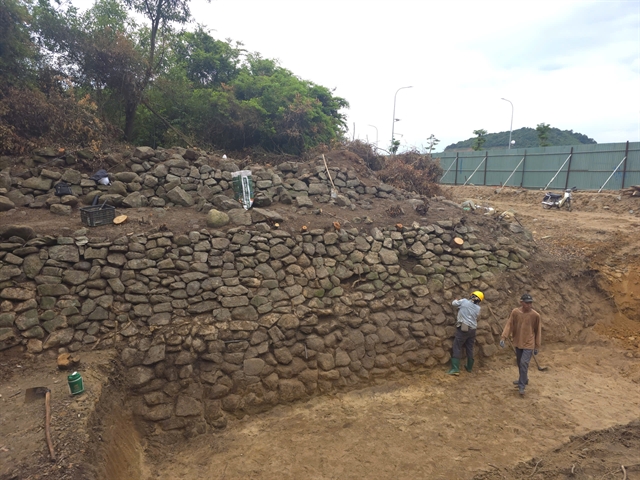
Foundation structures for the Chơn Sảng Garrison and Nam Chơn Station, two important military defensive posts on the Thiên Lý (North-South) route through the Hải Vân Pass, were unearthed in recent archaeological excavations at the foot of the pass.
Vietnamese travelers prioritise supporting local communities and conserving the environment during their journeys, a recent report by Booking.com unveiled.
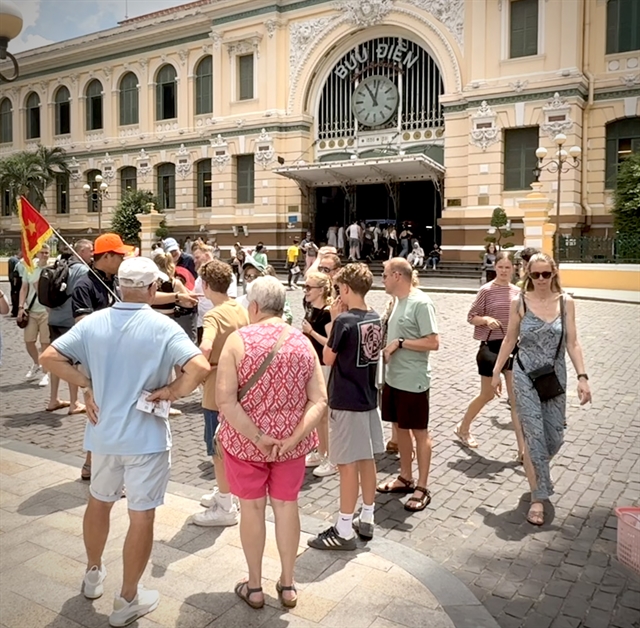
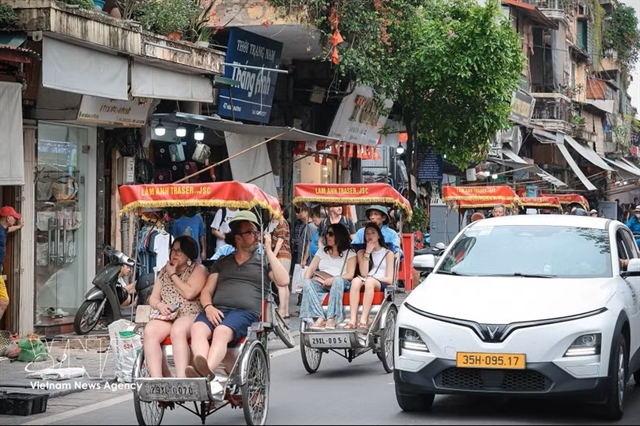
By choosing to walk, cycle or use double-decker buses and metro systems in major cities such as Hà Nội and Hồ Chí Minh City, travellers can reduce their carbon footprint while experiencing the authentic rhythm of urban life.