 Life & Style

Việt Nam News reporters win global journalism prize about child drowning
1.
Thanh Hà
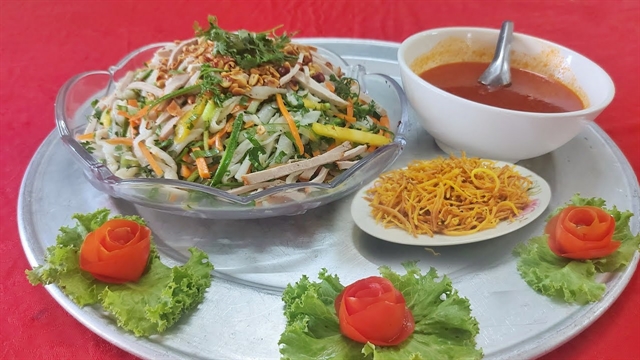 |
| 'Phở chua', a speciality of Lạng Sơn Province, can win over even the most discerning diner. Photo nguoihanoi.vn |
LẠNG SƠN — My first choice when dining out is phở, always phở. Việt Nam’s iconic noodle dish is a complete meal in itself, combining fragrant broth, rice noodles and a variety of toppings in one satisfying bowl. Best of all, a good bowl of phở is never hard to find, with eateries serving the beloved dish on almost every street corner.
During a recent trip to Lạng Sơn, my group was also served phở for breakfast. My hosts told me: "Hà Nội is home to good phở shops, but phở chua (sour phở) is the best in our province."
We stopped at a restaurant in the centre of Lạng Sơn City. While waiting to be served, I did a quick online search to learn more about this unfamiliar dish.
As for its origins, no one knows exactly where it came from. Some believe it originated in China, while others say it developed as a variation of Hà Nội phở.
Although the dish is prepared in various localities across Việt Nam’s northern mountainous region, the people of Lạng Sơn have embraced it as one of their signature specialties.
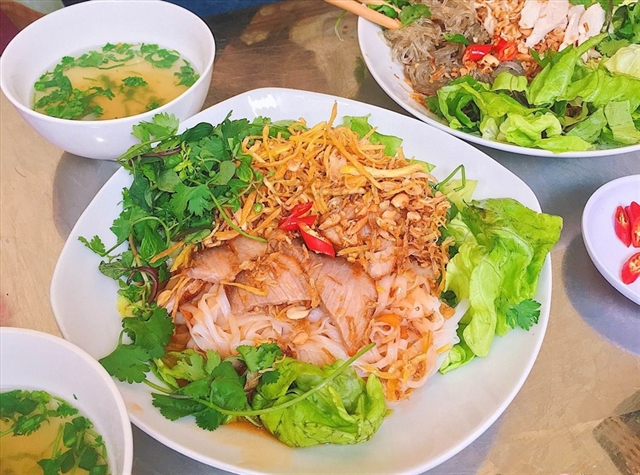 |
| A delicious phở chua dish is made from many ingredients and requires an elaborate cooking method. — Photo vietsensetravel.com |
A local favourite
Over time, local people helped popularise the dish throughout the community, giving it a distinctive name and elevating it through its eye-catching presentation and elaborate preparation process. Today, it captivates countless tourists visiting Lạng Sơn, often leaving a lasting impression after just one taste.
When phở chua was brought to the table, we all exclaimed in surprise at the appetising and unusual bowls, which looked completely different from the ordinary beef and chicken phở I was accustomed to eating.
The most distinctive feature was the complete absence of hot broth. Combined with its entirely different preparation method, it was hard to believe the dish had any connection to the Vietnamese phở known around the world.
A typical bowl of phở chua contains more than 10 special ingredients.
The rice noodles, briefly dipped in warm water, must be thick and resilient enough to avoid breaking during preparation.
Other ingredients include crispy sweet-potato slices, crispy fried liver, sliced char siu pork and sausage, fermented bean curd powder, peanuts, dried onions, cucumbers, fresh herbs and roasted duck – a renowned speciality of Lạng Sơn.
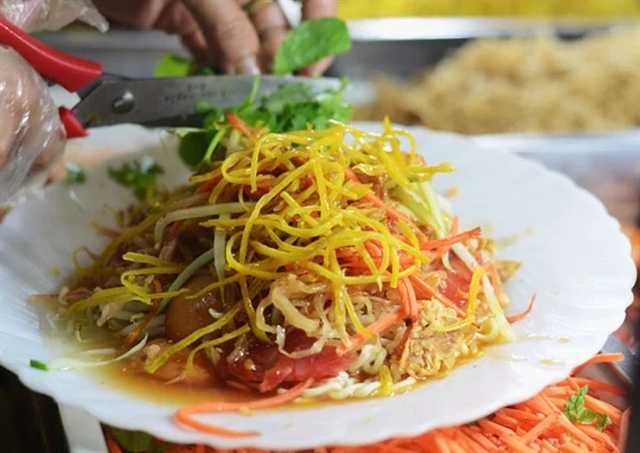 |
| Crispy sweet-potato slices add a distinctive flavour to phở chua. —Photo vinpearl.com |
The secret sauce
The liquid component consists of a sauce used to mix with phở. It is a thick brown sauce that features a blend of sour, spicy, salty and sweet flavours.
All components are mixed like a salad, a preparation method common in the lowlands.
When eating, diners can add a few slices of chilli, spicy bamboo shoots or lime juice to enhance the aroma, creating a dazzling mixture of tastes and textures in a single bite.
"Depending on the restaurant and location, this sauce is made from the fat drained from the belly of a roasted duck or the broth from boiling the duck to ensure a rich, fatty flavour and a distinctive aroma. The recipe for making sauce is a secret of each restaurant," Nguyễn Xuân Hải, owner of Hải Xồm Restaurant, told me.
"It is then seasoned with various spices such as fried onions and garlic, fish sauce, chilli peppers, vinegar, sugar, ginger and finally cornstarch is added to thicken it."
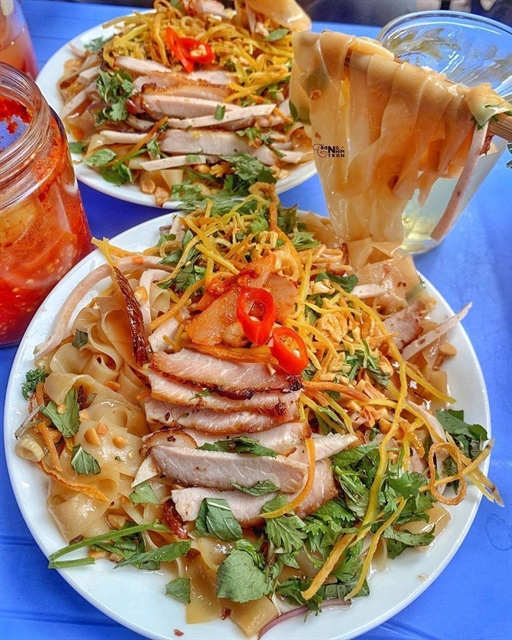 |
| While 'phở chua' can now be found in many provinces and cities, the authentic flavour created by Lạng Sơn’s chefs remains irreplaceable. — Photo courtesy saigonfoodys |
He said the dish’s light and refreshing taste made it an ideal choice at any time of day in the summer. Yet its appeal was not limited to the warmer months. As the rice noodles were briefly blanched in hot water before serving and the sauce was served hot, phở chua also provided a comforting meal in winter.
Hải suggested to me that some of his friends had opened restaurants in Hà Nội and that I could test their quality when I returned home.
But a diner sitting next to me said that phở chua was served in many localities but nowhere else matched the delicious and unique flavour of Lạng Sơn, with notable restaurants on Bắc Sơn, Lê Lai and Bà Triệu streets.
However, he emphasised that the best and most famous was still phở chua in Thất Khê town, about 70km from Lạng Sơn City. That would be a destination for my next trip. — VNS
Life & Style
 Life & Style
 Life & Style
 Life & Style
 Life & Style
 Life & Style
 Life & Style
 Life & Style
 Life & Style
 Life & Style
 Life & Style
 Life & Style
 Life & Style
 Life & Style
 Life & Style