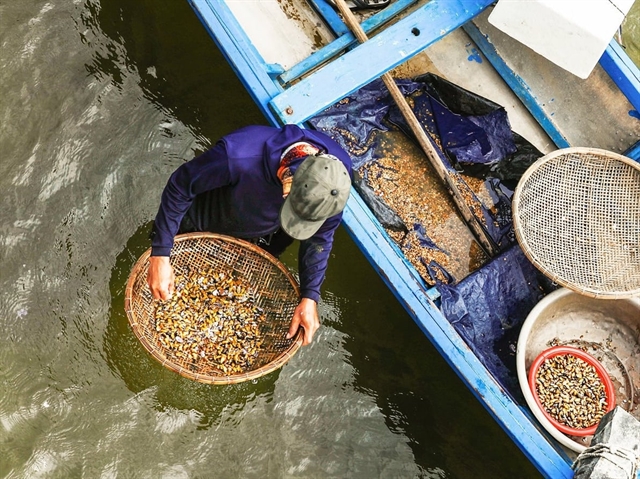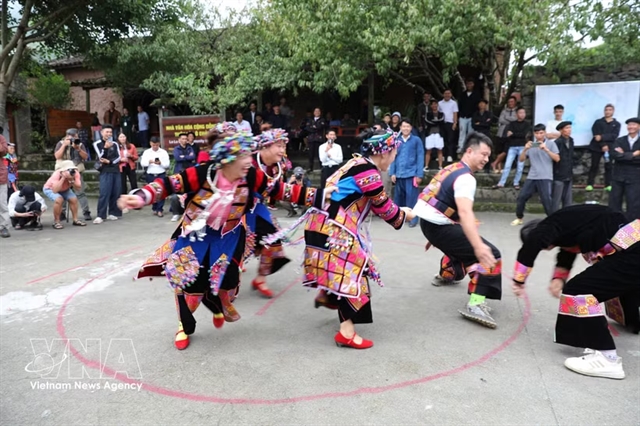
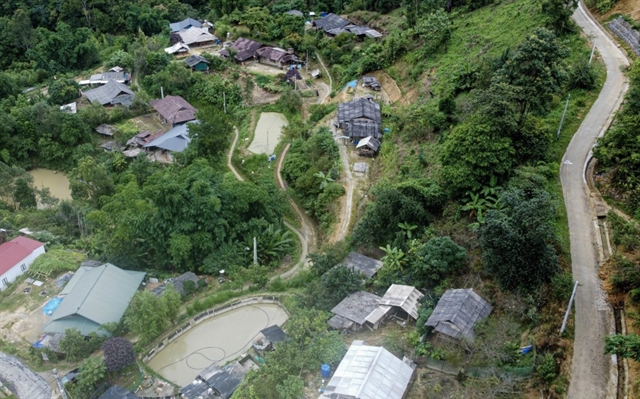
In recent years, Lồng villagers have chosen to retain what they already have, creating a distinctive appeal of their own.
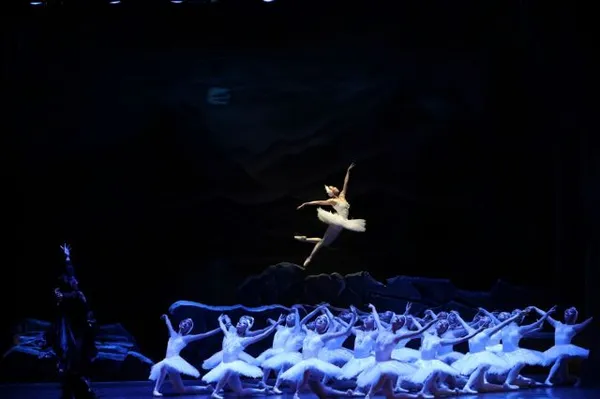
The timeless ballet masterpiece Swan Lake, the most anticipated performance staged by the HCM City Ballet Symphony Orchestra and Opera (HBSO), will return at the Saigon Opera House this month, accompanied by a full live orchestra.
A system of cultural industry trading platforms is aimed at fostering the commercialisation of products, intellectual property rights, and other assets within the cultural industries.
At the Việt Nam National Fine Arts Museum on Nguyễn Thái Học Street, Hà Nội, a robot receptionist has been greeting visitors on the ground floor since mid-June
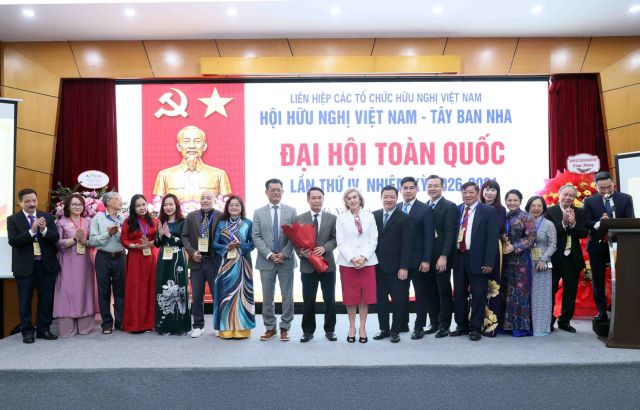
Spanish Ambassador to Việt Nam Carmen Cano de Lasala affirmed that Spain values Việt Nam as a dynamic and potential country and seeks to strengthen bilateral relations with the Southeast Asian nation.
The Millennia of Heritage exhibition not only depicts familiar images of Hà Nội and Vietnamese culture, but also shows how the same heritage can be viewed differently by people of different generations and backgrounds.
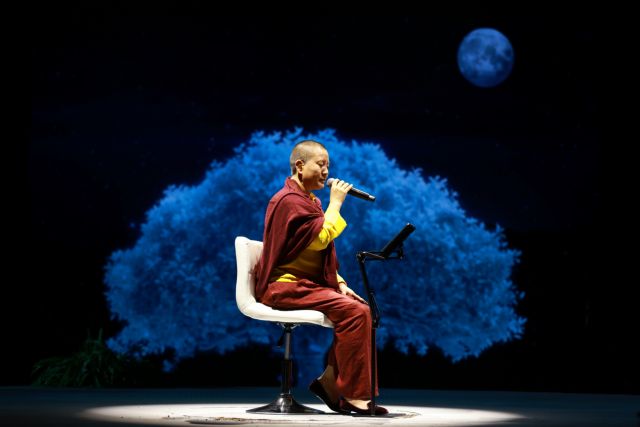
Ani Choying Drolma is known for her Sanskrit mantra chants and for leading chanting sessions at Nagi Gompa Nunnery in Nepal.
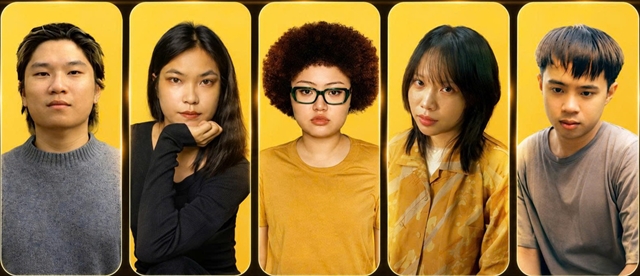
Five young filmmakers have received VNĐ300 million (US$11,500) each in funding from the CJ Short Film Project to make their short films.
As of July 15, Việt Nam had 4,652 licensed international travel businesses, with tourism-related enterprises and services.
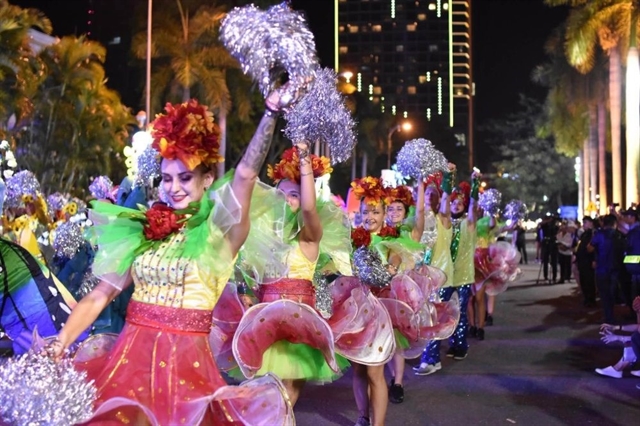
Nghệ An is set to come alive on August 18 and 19 with a vibrant carnival, a major music show and a spectacular fireworks display, offering residents and visitors a colourful cultural experience to celebrate the 81st anniversary of the August Revolution and National Day on September 2.
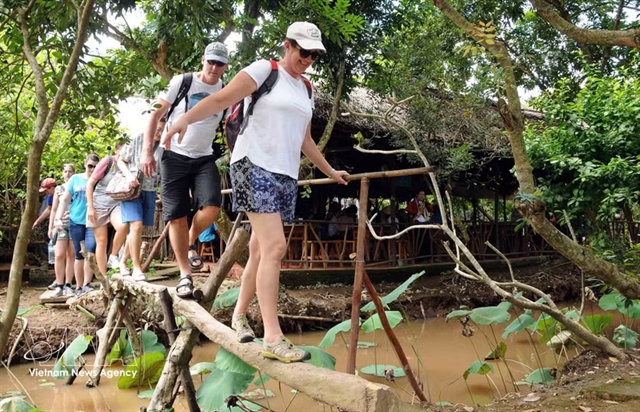
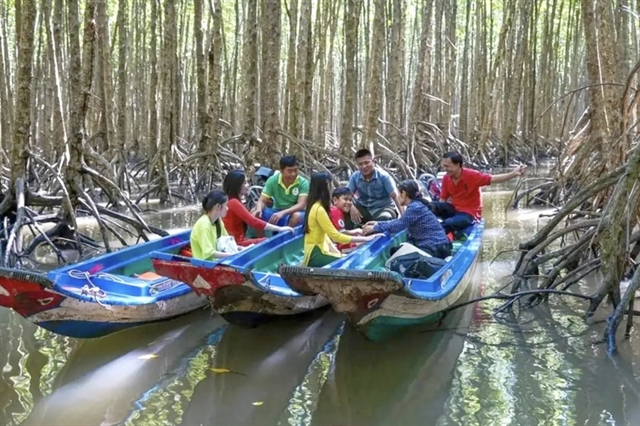
Tourism remained one of the Cà Mau Province’s brightest economic performers, contributing to growth in trade, transport, accommodation and local services while boosting consumption of regional products.
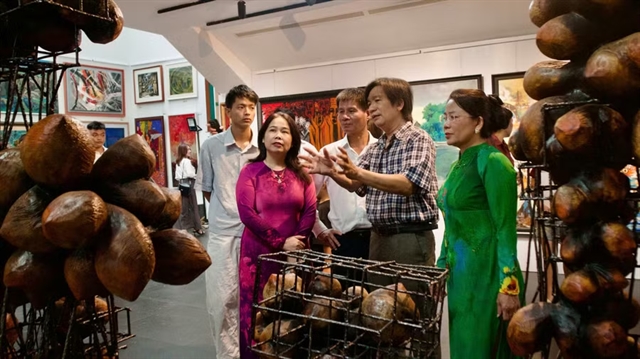
The Regional Fine Arts Exhibition in Gia Lai Province brings together 257 artworks from the south central and Central Highlands, offering diverse perspectives on the life, culture and people of the region.
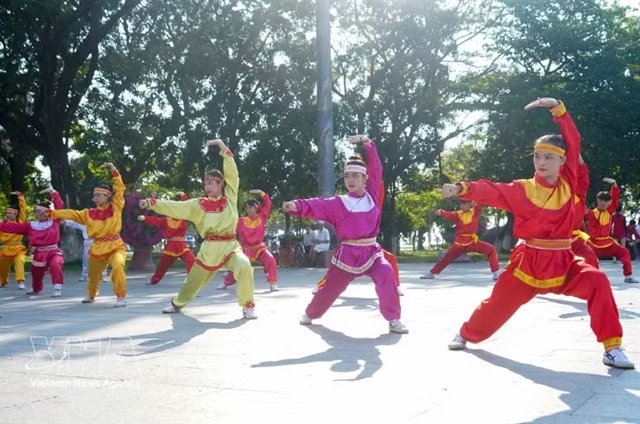
Bình Định has already mapped out a 2026-30 plan to keep its fighting spirit breathing, complete with specific targets and a clear step-by-step timeline.
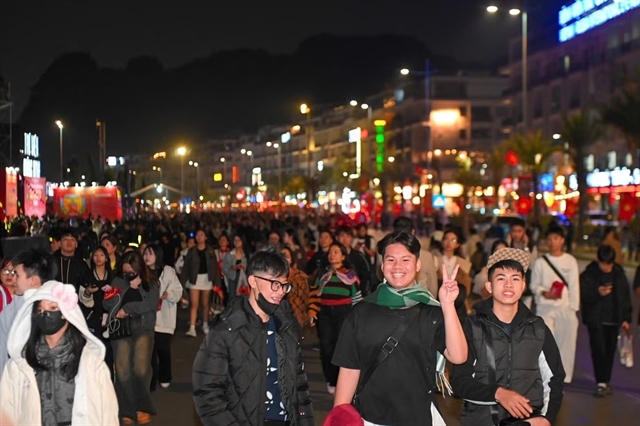
Quảng Ninh is preparing a spectacular open-air arts programme that will bring music, light and digital technology to the Hạ Long waterfront.
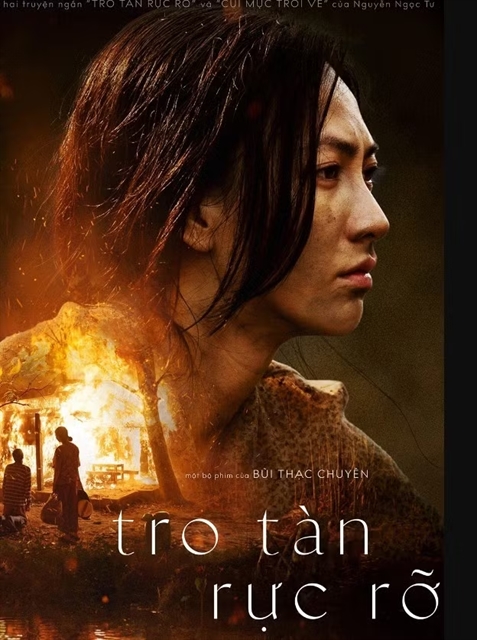
The screening attracted considerable interest from film enthusiasts and the Vietnamese community in the German capital. It marked the fourth time Vietnamese films have been featured in the programme.
Localities nationwide have rolled out measures to preserve and promote cultural heritage while linking it with tourism and economic development as part of effort to implement the Politburo's Resolution No 80-NQ/TW on the development of Vietnamese culture.
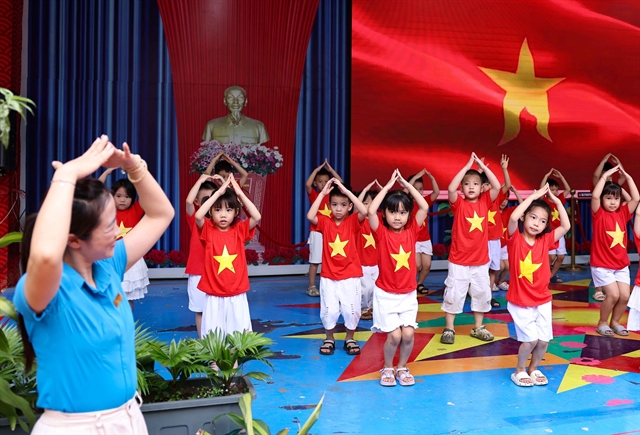
Preparing your child for school goes beyond books and uniforms. Discover five simple health steps to help children stay healthy, confident, and ready to learn.
.png)