 Life & Style
Data centre market faces energy challenges
1.
|
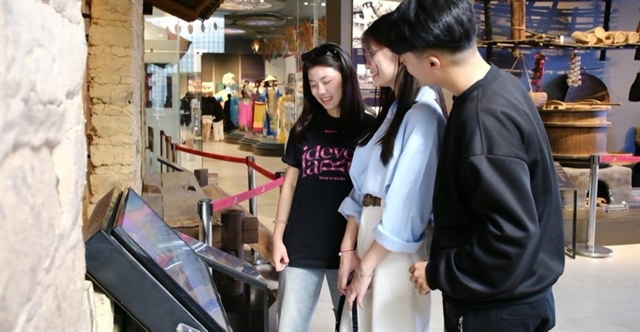
| Visitors can view digitized images of the artifacts through smart devices placed throughout the museum. — Photos baoquangninh.vn |
QUẢNG NINH — The Quảng Ninh Museum has become increasingly crowded on weekends, welcoming an average of around 10,000 visitors per day, as digital technology reshapes how people experience cultural spaces.
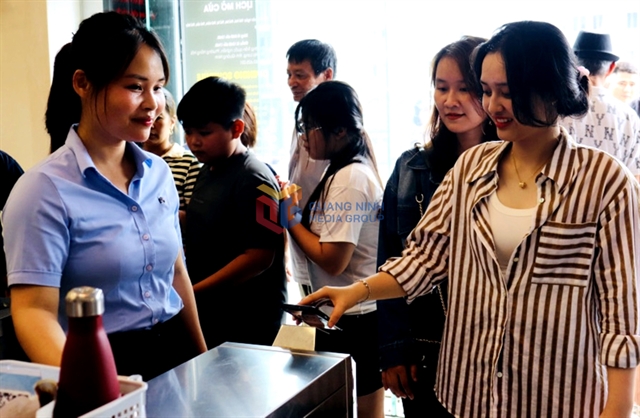
Amid the steady flow of visitors, long queues for tickets have largely disappeared. Instead of waiting at counters, many visitors now use their smartphones to purchase tickets through the Zalo Mini App, complete payments and scan QR codes for entry within minutes.
Nguyễn Thị Thủy, a visitor from Hà Nội, said the changes were clearly noticeable compared to her previous visit.
“This is my second visit to the Quảng Ninh Museum. Previously, I had to wait quite a long time to buy tickets, but now with e-tickets, everything is much more convenient and faster, creating a comfortable feeling right from the start of the visit,” Thủy said.
“Not only does the e-ticketing system help reduce waiting time, it also integrates various payment methods such as e-wallets and bank transfers, contributing to the promotion of cashless payments and improving service quality.”
The application of digital solutions is part of broader efforts by Quảng Ninh Museum to modernise its operations in line with the Politburo’s Resolution No 57 on breakthroughs in science and technology development, innovation and national digital transformation. These efforts are helping the museum strengthen its appeal, particularly among younger visitors who are more familiar with digital platforms.
Beyond ticketing, visitor experiences are no longer confined to physical exhibition spaces. Through the website baotangao.baotangquangninh.vn, the entire museum has been digitised using 3D technology, allowing users to explore exhibitions remotely with realistic, immersive perspectives.
Interactive kiosks have also been installed at the reception area, providing visitors with information about exhibition zones before they begin tours. This allows them to plan their routes more effectively and enhances their overall experience.
|
| Visitors use the QR code when purchasing tickets via the Mini App to pass through the museum's ticket gate. |
Behind these improvements is a long-term and systematic process of data digitisation. According to the museum, more than 10,000 documents and artefacts have been digitised to date, out of a total collection of over 25,000 items under management. These include image files and scanned documentation related to each artefact.
In July 2025, the museum completed the digitisation of all 12 national treasures in its collection, along with a version of the statue of King-Monk Trần Nhân Tông. From this database, over 7,100 artefacts have been integrated into the cultural heritage management system operated by the Department of Cultural Heritage, while more than 550 items have been developed into 3D models and uploaded to the virtual museum platform.
In addition, survey images and technical drawings contained in scientific dossiers of ranked relics and listed cultural heritage sites have been fully digitised. This data serves long-term needs in conservation, research and heritage management. The provincial heritage website, disanquangninh.gov.vn, is also being maintained and regularly updated to support public access.
The museum has also invested in modern display infrastructure, including touchscreens, multi-point interactive systems and immersive technologies such as virtual reality (VR) and augmented reality (AR). These applications allow visitors to explore well-known destinations such as Yên Tử and Hạ Long Bay in virtual environments, offering new perspectives on familiar heritage sites.
Đỗ Quyết Tiến, Director of the Quảng Ninh Museum–Library, said the institution is continuing to expand its digital transformation efforts. This includes developing a comprehensive digital artefact database and a content management system for a digital museum.
Under current plans, around 7,500 additional artefacts will be digitised and categorised based on their value and usage needs. The process involves creating image data, 3D models, audio guides and metadata to support both exhibition and research purposes.
At the same time, the museum is working to digitise relics across the province, develop a Smart Visit – Quảng Ninh Museum application, and deploy 3D and VR-based online exhibitions. A Museum Operation Hub is also being planned to centralise management and operations, contributing to the formation of a synchronised digital museum ecosystem.
With these efforts, Quảng Ninh Museum is redefining its role in preserving and promoting cultural heritage. Each visit is no longer limited to learning about history, but also offers a more engaging and accessible experience, helping bring heritage closer to the daily lives of both residents and visitors. — VNS
Life & Style
 Life & Style
 Life & Style
 Life & Style
 Life & Style
 Life & Style
 Life & Style
.jpg) Life & Style
Life & Style
 Life & Style
 Life & Style
 Life & Style
 Life & Style
 Life & Style
 Life & Style
 Life & Style