 Life & Style

Lotte, Phát Đạt combine strengths in Thu Thiem project
1.
|
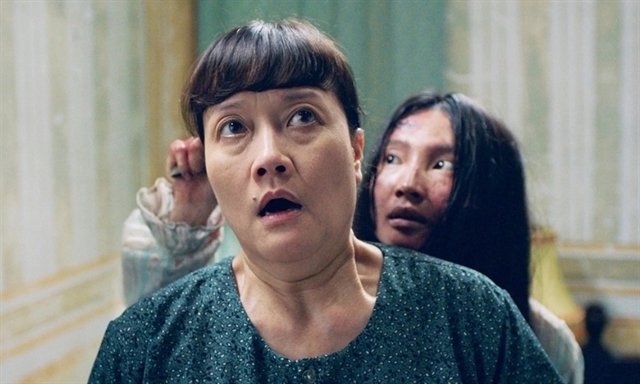
| A scene in the horror film Quỷ Nhập Tràng 2 (The Corpse 2). — Photo courtesy of AI Media Film |
HÀ NỘI — The Cinema Department (CD) under the Ministry of Culture, Sports and Tourism has issued an urgent directive, encouraging film producers, importers and distributors to diversify content amid a recent surge in horror films.
Director General of the department, Đặng Trần Cường, has recently issued an official dispatch regarding film production, distribution and dissemination.
According to the document, Vietnamese cinema has recorded strong growth in terms of the number of productions, the quality of filmmaking and the overall market scale in recent years.
Many Vietnamese films have achieved high box-office revenues, attracted significant public attention and gradually affirmed the position of cinema within the cultural industries, contributing to promoting the image of the country and its people.
The CD acknowledges and appreciates the efforts and contributions of film production, distribution and exhibition entities in the past.
These achievements, it noted, are the result of the dynamism, creativity, and strong sense of responsibility demonstrated by the filmmaking community toward the overall development of the industry.
|
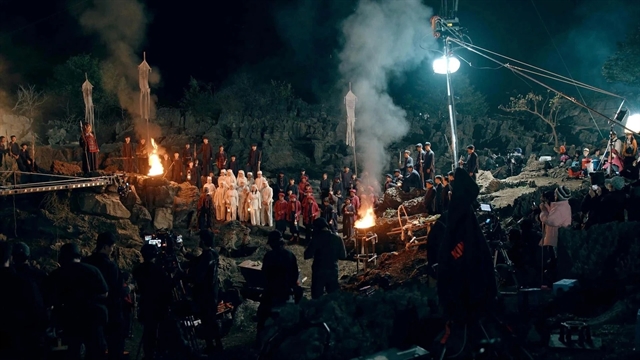
| Phí Phông: Quỷ Máu Rừng Thiêng (Phi Phong: The Blood Demon) is one of the few horror projects receiving significant investments in setting, technical execution, and visual design. — Photo courtesy of BlueBell Studios |
However, through its monitoring of film production, distribution and dissemination activities in recent times, the CD has observed a notable increase in works belonging to the horror genre.
Some of these productions place excessive emphasis on violent, gory or superstitious and sensational elements, while lacking commensurate investment in artistic quality and cinematic language, and failing to adequately convey humanistic values and meaningful social messages.
Meanwhile, many imported films in the horror genre have had to undergo content edits to comply with Vietnamese legal regulations, affecting the business performance of enterprises;. In some cases, films have not met the conditions required for distribution in Việt Nam.
“In implementing the Party and State’s guidelines and orientations on the development of Vietnamese culture and people, and based on the spirit of Politburo Resolution No. 80-NQ/TW and National Assembly Resolution No. 28/2026/QH16 on the development of Vietnamese culture, the Cinema Department requests film production, distribution, and exhibition entities to pay attention to studying and implementing a number of key measures,” Cường said.
Diversify themes
The CD requests film production, distribution, and exhibition entities to uphold their social responsibility in contributing to shaping aesthetic values and enhancing the spiritual life of the public, particularly among young people and vulnerable audience groups.
In addition, relevant parties are required to proactively develop balanced plans for film production and distribution, ensuring diversity in themes and genres. They are encouraged to promote works of high ideological, artistic, and humanistic value that authentically and vividly reflect social life, contributing to the development of well-rounded Vietnamese people.
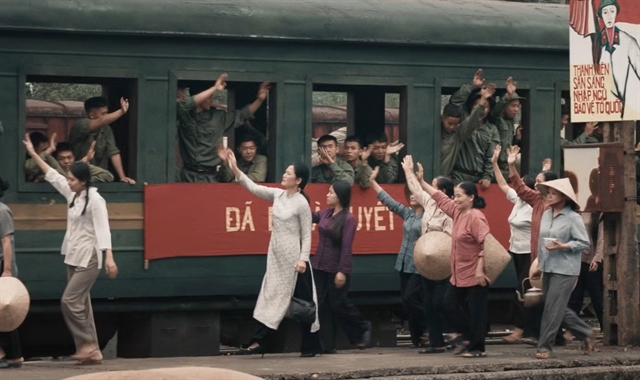
The department encourages works that promote Việt Nam’s history, culture, nature, and people, while spreading positive and inspiring stories about patriotism, solidarity, compassion, social responsibility, resilience, and the aspiration to contribute. Such works are expected to help foster national pride, love for the homeland, and civic awareness, particularly among younger generations.
|
| The Cinema Department encourages works that promote Việt Nam’s history, culture, nature, and people. — Photo courtesy of Galaxy Studio |
It also encourages productions that contribute to building and promoting the image of a peaceful, friendly, humane, dynamic and developing Việt Nam, thereby enhancing the country’s cultural soft power, increasing international understanding of Việt Nam and its people, and promoting cultural exchange and cooperation with other countries around the world.
For both Vietnamese films and imported foreign films released in Việt Nam, careful consideration should be given to the selection, development, and portrayal of themes involving violence, horror, superstition, or other content that may negatively affect viewers’ perception and behaviour. Such content must ensure alignment with national customs and traditions, as well as comply with Việt Nam’s legal regulations on cinema.
“The Cinema Department hopes that relevant stakeholders will continue to accompany and join efforts in building a Vietnamese film industry that is comprehensive, modern, diverse in themes and genres, and rich in national cultural identity,” the official dispatch stated.
“This will contribute to promoting the image of Việt Nam and its people, inspiring aspirations for development and national pride, strengthening the country’s cultural soft power and enhancing the position and competitiveness of Vietnamese cinema in the region and globally.”
Over the past year, the wave of Vietnamese horror films has continued to surge, with titles such as Phí Phông: Quỷ Máu Rừng Thiêng (Phi Phong: The Blood Demon), Heo 5 Móng (Hell Trotter), Quỷ Nhập Tràng 2 (The Corpse 2), Ma Xó (MAXO: Forbidden Ritual), Thẩm Mỹ Viện Âm Phủ (Underworld Beauty Clinic) or Lầu Chú Hỏa (Lau Chu Hoa: The Deadliest Mansion).
Many recent Vietnamese horror films have exploited spiritual elements, folk legends, or supposedly true stories circulating on social media, combined with jump-scare sound design, frightening imagery and fast-paced editing.
However, many of them have not received proper investment to achieve genuine horror quality, thereby having struggled to attract audiences at the box office. — VNS
Life & Style
 Life & Style
 Life & Style
 Life & Style
 Life & Style
 Life & Style
 Life & Style
 Life & Style
 Life & Style
 Life & Style
 Life & Style
.jpg) Life & Style
Life & Style
 Life & Style
 Life & Style
 Life & Style