 Life & Style
Việt Nam fosters comprehensive cooperation with Uruguay
1.
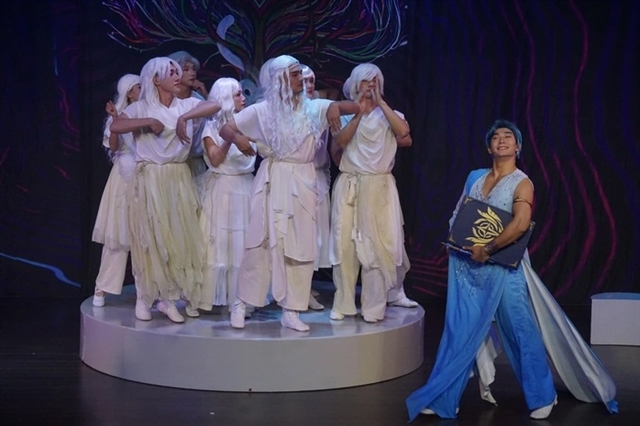 |
| A scene from the play Thiên Đường Pormax, performed by Thiên Đăng Stage. Photo nld.com.vn |
HCM CITY — Many contemporary plays are tackling real-life issues through relatable stories, drawing large audiences, particularly young people.
A positive sign has emerged in HCM City’s theatre scene, with growing numbers of audiences returning to playhouses to enjoy contemporary productions.
The stories presented on stage reflect topics that young people discuss in cafés, on social media and in everyday conversations with friends.
Listening to real life
The appeal of HCM City’s theatre scene stems from a series of new productions, including Thiên Đường Pormax (Pormax Paradise) at Thiên Đăng Stage, Ngôi Nhà Thiếu Đàn Bà (The House Without Women) at the HCM City Small Theatre Drama Theatre (5B Stage), Con Ai Siêu Hơn (Whose Child is More Outstanding?), Chuyến Dã Ngoại Kinh Hoàng (The Terrifying Excursion), Xú Mé at Trịnh Kim Chi Stage, and Hạ Màn (Curtain Call) at Hồng Hạc Stage.
These productions demonstrate that contemporary drama is increasingly becoming the preferred choice of many performing arts organisations.
The trend also signals that theatre is paying closer attention to what is happening in society today.
For many years, theatre practitioners grappled with a persistent question: why were young audiences staying away from the theatre? The answer may be quite simple, that they did not see themselves reflected on stage.
Unlike many earlier productions, which often focused on illustrative stories or familiar domestic conflicts, today’s plays delve directly into modern life through a range of relatable perspectives.
Con Ai Siêu Hơn explores academic pressure and the widening gap between parents and children.
Chuyến Dã Ngoại Kinh Hoàng touches on youth psychology, deviant behaviour and the consequences of poor choices.
Xú Mé examines personal trauma, insecurity and the need for love and acceptance.
Meanwhile, Thiên Đường Pormax places its characters amid the whirlwind of fame, temptation and spiritual emptiness.
These are all issues that appear daily in families, schools, workplaces and across social media platforms.
According to People’s Artist and director Trịnh Kim Chi, young audiences today absorb information very quickly.
“If a play feels detached from reality, they simply will not be interested. To keep them engaged, theatre must feel authentic,” she said.
That authenticity is helping bring audiences back to the theatre and is expected to attract even more young people in the future.
People’s Artist Mỹ Uyên expressed confidence in the trend, saying: “Ngôi Nhà Thiếu Đàn Bà has just premiered at 5B Stage. I believe more young people will come because the play addresses issues they genuinely care about.”
A need for dialogue and connection
The growing popularity of contemporary drama is not solely due to its subject matter.
Equally important is the way stories are being told.
Many theatres are adopting faster pacing, more natural dialogue and stronger visual elements.
Characters are no longer portrayed in simplistic terms; they are flawed, selfish, vulnerable and often deeply conflicted.
Young playwrights are increasingly interested in exploring psychological issues, social pressures, identity crises and the challenges of urban life, themes that were previously underrepresented on stage.
This shift enables theatre to foster dialogue rather than merely deliver messages.
However, some productions still rely heavily on shock value to attract attention.
Certain plays employ dramatic situations without fully developing the psychological depth of their characters. Others prioritise rapid production schedules at the expense of the reflection and nuance that theatre requires.
“These shortcomings are inevitable as the industry searches for a new theatrical language,” said Associate Professor and Dr Trần Yến Chi.
While concerns once centred on the loss of young audiences, it is now this very demographic that is driving change within the theatre sector.
Young people are seeking stories that resonate with their own experiences. They want to see loneliness, workplace pressures, mental health struggles, family tensions and the uncertainties of adulthood portrayed through a sincere theatrical language.
Meritorious Artist Ca Lê Hồng observed: “Young audiences do not come to the theatre to watch things they already know. They seek emotions, dialogue and a sense of shared experience.”
Perhaps that is why audiences at many recent performances have stayed behind longer to take photographs with artists, engage in discussions and express their willingness to return.
The lights are shining more brightly across HCM City’s stages. To sustain that momentum, experts believe greater attention should be paid to contemporary themes.
“Creative camps should focus on present-day issues rather than dwelling excessively on the past,” said Associate Professor and Dr Nguyễn Thị Minh Thái. “They should address matters that people genuinely care about, their lives, concerns, pride and determination to build a civilised, modern and compassionate city.” — VNS
Life & Style
 Life & Style
 Life & Style
 Life & Style
 Life & Style
 Life & Style
 Life & Style
 Life & Style
 Life & Style
.jpg) Life & Style
Life & Style
 Life & Style
 Life & Style
 Life & Style
 Life & Style
 Life & Style