 Life & Style

NA President calls for high-quality legislation to drive national development
1.
|
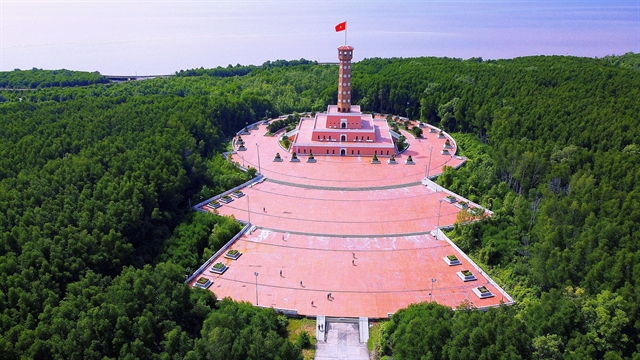
| The Cape Cà Mau National Park in the southernmost province of Cà Mau attracts visitors with a system of rivers and canals interspersed with mangrove forests and vast melaleuca forests. — VNA/VNS Photo Chanh Đa |
CÀ MAU — The southernmost province of Cà Mau has issued a sustainable tourism development plan for the period 2026-2030, focusing on community-based tourism, ecotourism and cultural and spiritual tourism.
The plan aims to maximise the province’s tourism potential, preserve historical and cultural values, improve people’s lives, and turn Cà Mau into a destination for ecotourism and cultural and spiritual tourism of the Cửu Long (Mekong) Delta.
Under the plan, Cà Mau will develop sustainable tourism associated with the conservation of natural resources, the preservation of cultural identity, the dissemination of historical values of its relics, and the restoration and innovation of historical sites.
The province will create unique tourism products, build new tours and destinations, improve infrastructure, service and human resources, enhance digital transformation, and promote images of Cà Mau and its tourism.
The province targets to welcome more than 11.5 million visitors by 2030. Its total revenue will reach around VNĐ14.2 trillion (US$546 million), contributing to the province’s economic growth.
|
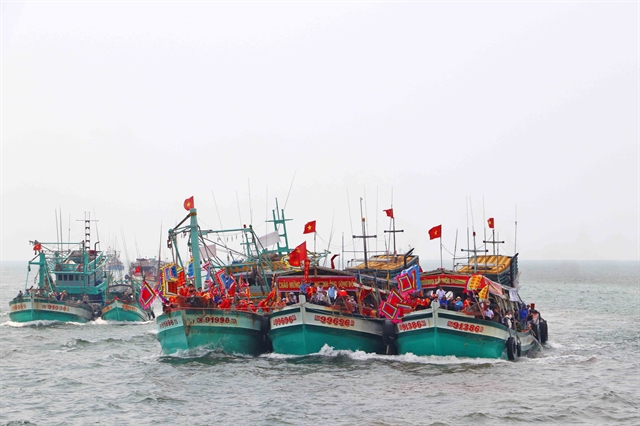
| The Nghinh Ông Sông Đốc (Whale Worshipping at Đốc River) festival is one of the unique festivals of Cà Mau. — VNA/VNS Photo Huỳnh Anh |
Cà Mau is situated in the southernmost part of Việt Nam, with three sides bordering the sea and a dense network of rivers and canals, creating a unique ecosystem, a diverse culture, and potential for community-based tourism and ecotourism.
It is home to the Cape Cà Mau National Park, having a system of rivers and canals interspersed with mangrove forest and vast melaleuca forests, which was recognised as a UNESCO World Biosphere Reserve in 2009.
The province has a rich relic system with three special national relics, including the Hồ Chí Minh sea trail at Vàm Lung Wharf, the Cái Chanh Military Base, and the Vĩnh Hưng Archaeological Site of Óc Eo culture, which flourished in southern Việt Nam from the first to the seventh century.
It also has 24 national relics, 85 provincial relics, and eight intangible cultural heritage cites.
Cà Mau features unique traditional festivals, such as the Nghinh Ông Sông Đốc (Whale Worshipping at Đốc River) festival, the Vía Bà Thủy Long (Mother Dragon Worshipping) festival, and the Kỳ Yên festival. — VNS
Life & Style
 Life & Style
 Life & Style
 Life & Style
 Life & Style
 Life & Style
 Life & Style
 Life & Style
 Life & Style
 Life & Style
 Life & Style
 Life & Style
 Life & Style
 Life & Style
 Life & Style