 Life & Style

Coca-Cola Hong Kong Launches "Coca-Cola Recycling Academy"
1.
HÀ NỘI — Việt Nam is set to honour culture as a pillar of national identity, with November 24 officially designated as Việt Nam Culture Day, a new paid public holiday that marks a defining moment in the country’s cultural and political history, renewing the principle that culture must continue to light the way for the nation.
But why November 24?
The date reflects the historical depth and cultural thought of the nation, rooted in the first National Culture Conference and the strategic directions for building and developing Vietnamese culture over the past eight decades.
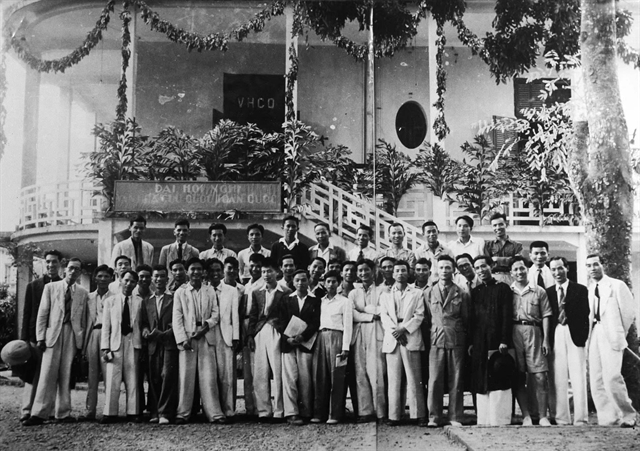 |
| Delegates attend the first National Culture Conference on November 24, 1946 in Hà Nội. — File Photo |
The first National Culture Conference officially opened at the Hà Nội Opera House on November 24, 1946, bringing together over 200 delegates, including leading intellectuals, artists and cultural figures from across the country.
President Hồ Chí Minh and Bùi Bằng Đoàn, head of the Standing Committee of the National Assembly, attended and addressed the gathering. The event was widely noted by the revolutionary press of the time, particularly the newspaper Cứu Quốc (National Salvation), as a major milestone in the cultural life of the young Democratic Republic of Việt Nam.
In a 40-minute speech, President Hồ outlined the foundational principles for building a new cultural framework. He stressed that culture was inseparable from politics and closely tied to national independence and the nation-building effort. Culture should serve the happiness of the people and the nation, drawing from the best of both Eastern and Western traditions to create a distinctly Vietnamese identity infused with democratic values.
He particularly emphasised the need to embed culture “deep within the psyche of the nation”, helping to correct harmful habits such as corruption, laziness, vanity and extravagance. He called for fostering a spirit of “selflessness for the country,” prioritising the common good over individual interests.
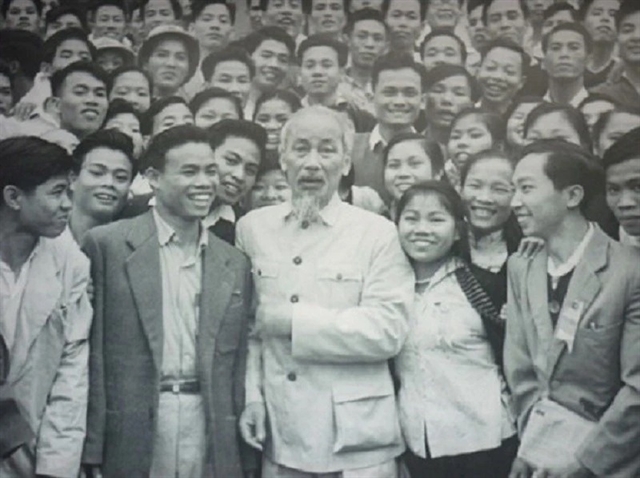 |
| President Hồ Chí Minh is pictured with Vietnamese youth. — File Photo |
President Hồ famously said: “Culture must light the way for the nation,” highlighting the guiding and directional role of culture in shaping the country’s destiny.
Many researchers note that these ideas laid the foundation for the Party and State’s cultural policies in the decades that followed.
An article in Cứu Quốc on November 25, 1946, reported that numerous intellectuals, including French cultural figures, expressed support for Việt Nam’s independence and praised the cultural and ideological vision articulated by President Hồ at the conference.
Culture as a guiding force
Under the leadership of the Communist Party of Việt Nam, the Vietnamese people have inherited, developed and promoted the nation’s noble cultural traditions, continually creating new cultural values infused with patriotism and socialist ideals. These values are adapted to the country’s context while embracing the cultural essence of the world, enabling the nation to advance confidently in the current era of global integration.
Alongside politics and the economy, culture has consistently served as the spiritual foundation of society – both a goal in itself and a driving force for socio-economic development.
The choice of November 24 – the date of the first National Culture Conference, which marked the start of the revolutionary cultural movement – as Việt Nam Culture Day therefore carries profound symbolic significance. It honours the role of culture in nation-building and national defence, while reiterating the principle of “culture lighting the way for the nation” as a guiding beacon for the country.
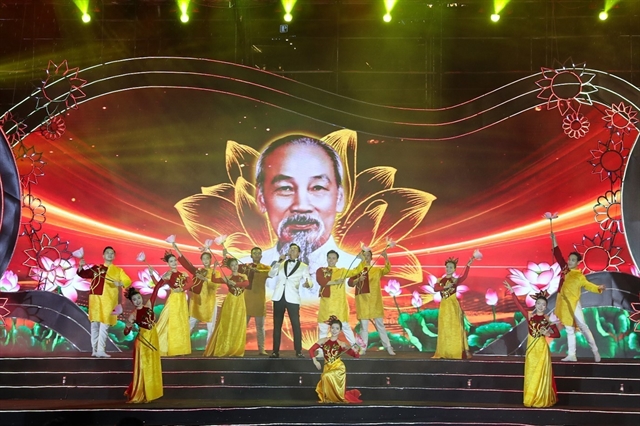 |
| A traditional art performance on the pedestrian area by Hồ Gươm Lake in May last year. — VNA/VNS Photo Khánh Hòa |
November 24 this year marks the 80th anniversary since the first National Culture Conference. The ideas put forward by President Hồ Chí Minh remain highly relevant and carry even greater resonance in an era of deep international integration. The establishment of Việt Nam Culture Day, therefore, holds both profound historical weight and contemporary significance.
According to Đỗ Quốc Hưng, director of the Việt Nam National Academy of Music, the designation of November 24 as Việt Nam Culture Day is “visionary and rich in humanistic meaning.”
"It not only upholds the crucial role of culture in social life, but also elevates culture to a position on par with the economy and politics in the strategy for the comprehensive development of the Vietnamese people," he said
"From the perspective of arts education and training, I see in this decision a profound message: culture is not a secondary element, but the core foundation for shaping character, aesthetics and national identity."
He added: "I hope that Việt Nam Culture Day will become a spiritual rendezvous – a place where genuine art is celebrated – so that culture truly comes alive in everyday life, rather than being confined to forums or documents." — VNS
Life & Style
 Life & Style
 Life & Style
 Life & Style
 Life & Style
 Life & Style
 Life & Style
 Life & Style
 Life & Style
 Life & Style
 Life & Style
 Life & Style
 Life & Style
 Life & Style
 Life & Style