Life & Style
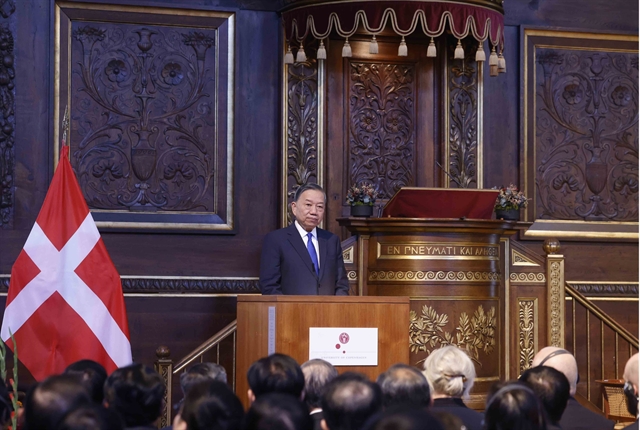
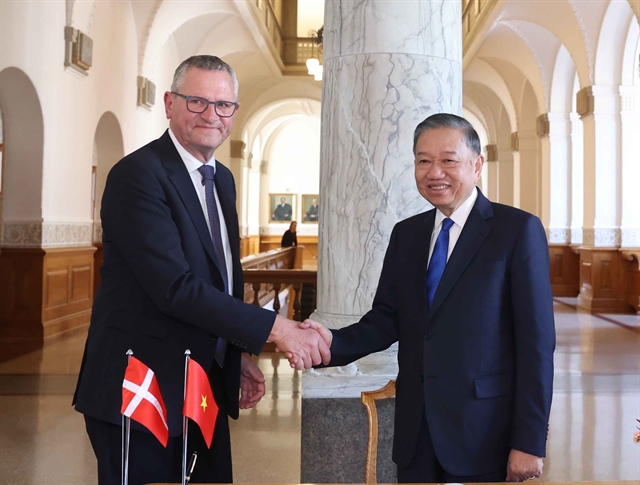
Top Vietnamese leader highlights new horizon for Việt Nam–Denmark cooperation
1.
|
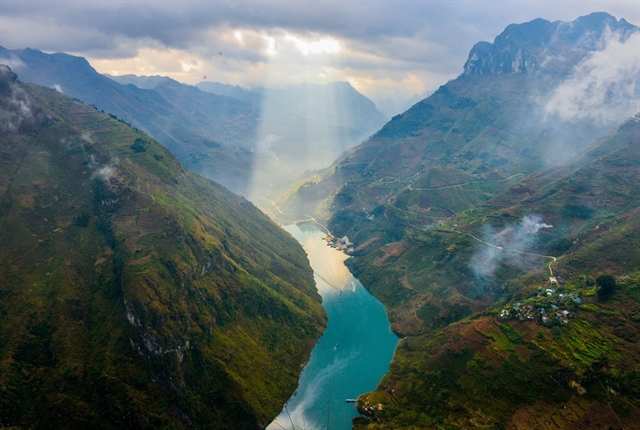
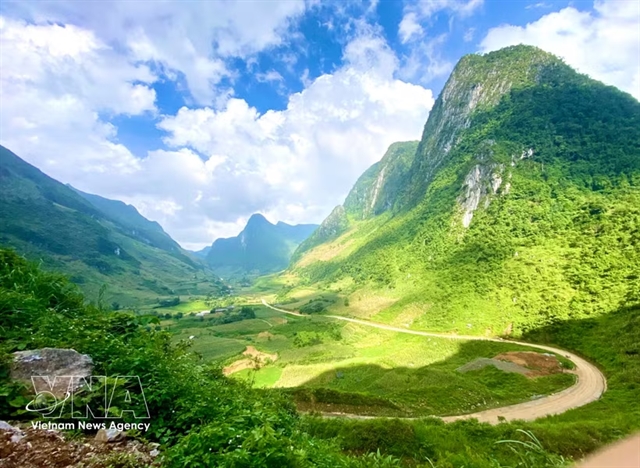
| The Đồng Văn Karst Plateau in Tuyên Quang Province wins the title of the World's Leading Regional Cultural Destination for the first time in 2025. — VNA/VNS Photo |
HÀ NỘI — Việt Nam has once again been honoured as the World’s Leading Heritage Destination in 2025 by the World Travel Awards (WTA), marking its sixth recognition after the wins in 2019, 2020, 2022, 2023, and 2024 and reaffirming its foothold in the global tourism industry.
Treasure trove of heritage
Việt Nam is home to one of the richest heritage systems in the region, blending breathtaking natural scenery, a long-standing history, and a one-of-a-kind cultural identity. Stretching across its S-shaped land, the balance between nature’s beauty, cultural richness, and community spirit creates a vibrant tapestry of diverse heritage sites.
The country boasts over 10,000 recognised monuments, including more than 3,600 national sites and about 130 special national sites. It has also documented over 7,000 pieces of intangible cultural heritage, with more than 500 featured on the national intangible cultural heritage list.
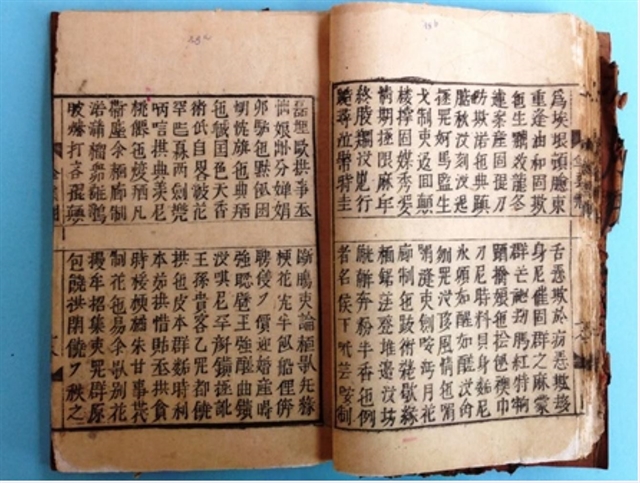
Việt Nam is home to nine UNESCO-recognised world natural and cultural heritage elements, 17 in the Representative List of the Intangible Cultural Heritage of Humanity, and 11 documentary heritage items named in UNESCO's Memory of the World Programme.
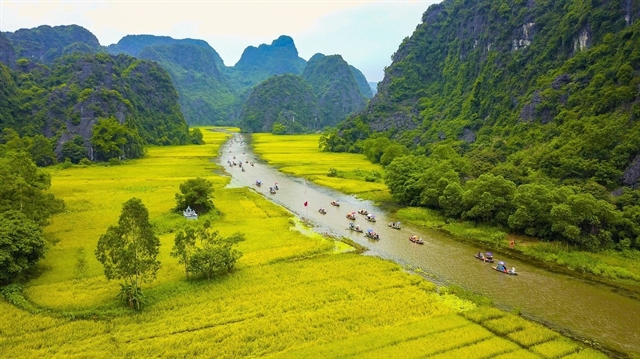
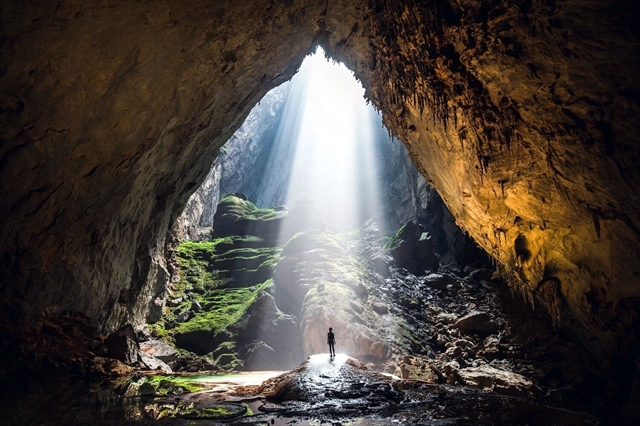
Natural landscapes have created a distinctive appeal, making Vietnam a favoured experiential destination for international travellers. From the wonders of Hạ Long Bay and the unique karst formations of Tràng An to the majestic caves of Phong Nha-Kẻ Bàng, each destination bears its own mark of nature. Pristine landscapes, rare geological and geomorphological values, and rich biodiversity have made these areas top Asian destinations, offering travellers a harmonious blend of nature and inspiring exploration experiences.
Tangible and intangible cultural heritage highlights the depth of Vietnam’s national identity. Ancient towns and relic complexes such as Hội An, the former imperial capital of Huế, and the Mỹ Sơn Sanctuary vividly reflect the nation’s rich history and cultural exchanges over the centuries.
Besides, traditional arts like Huế’s nhã nhạc (royal court music), ca trù singing, quan họ folk songs, bài chòi singing, and the worship of Mother Goddesses of the Three Realms not only enrich the spiritual life of local people but also and allow visitors to experience the essence of Vietnamese culture through melodies, customs, and community practices.
|
| The Tràng An Landscape Complex is the first mixed cultural and natural heritage site in Vietnam recognised by UNESCO. — VNA/VNS Photo |
UNESCO-recognised documentary heritage elements, from Mộc Bản (woodblocks) and Châu Bản (official administrative documents) of the Nguyễn Dynasty to the stone steles of Văn Miếu – Quốc Tử Giám (Temple of Literature – Imperial Academy), help deepen understanding of Việt Nam's history and culture while highlighting its educational tradition and civilisational development over centuries. They not only hold research value but also play a crucial role in shaping Việt Nam's image as an intellectual and culturally rich nation.
Opportunities to elevate Việt Nam's tourism brand
Building on its rich heritage, Việt Nam has been repeatedly recognised internationally, most notably as the “World’s Leading Heritage Destination” by the WTA. Being honoured for the sixth time not only highlights the outstanding value of Việt Nam's heritage system but also testifies to the country’s continuous efforts to preserve resources, diversify tourism products, and improve service quality.
Beyond this core award, Việt Nam's tourism has been recognised in many prestigious categories by the WTA and other international organisations. The country has been named among Asia's leading heritage and natural destinations, reflecting the comprehensive appeal of its tourism resources.
|
| Inside Sơn Đoòng Cave. — VNA/VNS Photo |
Notably, the Đồng Văn Karst Plateau in Tuyên Quang Province won the title of the World's Leading Regional Cultural Destination for the first time in 2025, highlighting the unique value of the UNESCO Global Geopark and the cultural identity of highland communities.
Mộc Châu Plateau in Sơn La Province was listed as the World’s Leading Natural Destination for the third time. With its mild climate and pristine scenery, Mộc Châu continues to demonstrate its enduring appeal.
With its mist-shrouded beauty and distinctive French colonial architecture, Tam Đảo in Phú Thọ Province was voted the World’s Leading Town Destination for the fourth time. Meanwhile, Bãi Kem beach in Phú Quốc was listed as the World’s Leading Regional Beach.
Many travel, aviation, and accommodation enterprises were also honoured for service quality, underscoring the sector’s comprehensive development and the strong potential for Việt Nam's tourism industry to make even greater breakthroughs in the coming years.
These achievements help further promote Việt Nam's destination image and boost the tourism sector’s competitiveness in the global market.
However, awards are not the ultimate goal. The key is to use such honours as a driver for development. With the titles helping pave the way to the world, the sector must continue creating distinctive, modern, and sustainable products to capitalise on its international acclaim.
Promoting innovation-driven tourism development
To turn opportunities into long-term competitive advantages, Việt Nam's tourism sector is focusing on innovation as a core driver. Instead of exploiting heritage values in the traditional manner, it is adopting new methods, applying technology, developing unique products, and personalising visitor experiences.
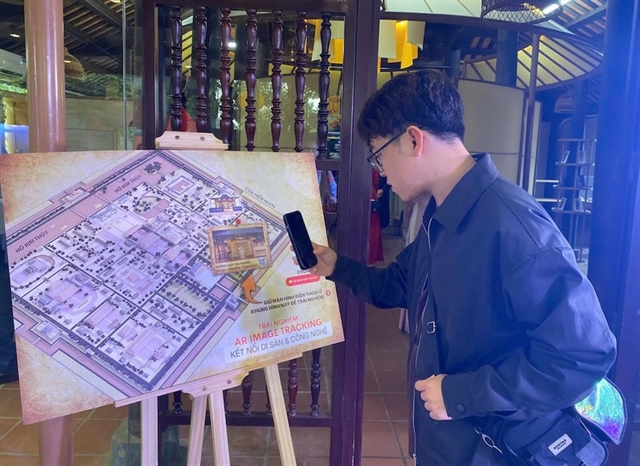
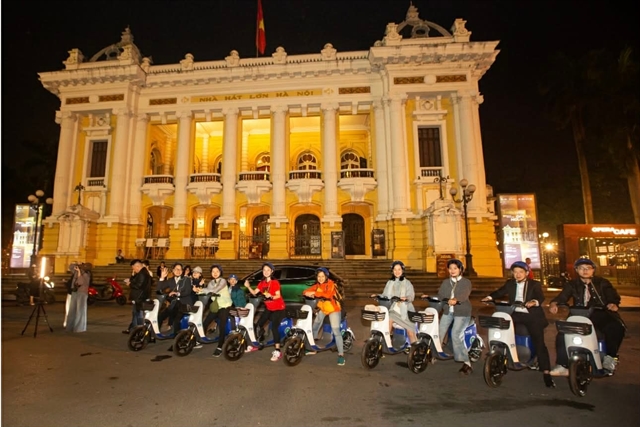
In recent years, many localities have moved in this direction. Hà Nội has developed nighttime cultural spaces and applied virtual reality to heritage introduction. Hội An and Huế have continually renewed their offerings through art performances, lighting, and festivals. Meanwhile, northern mountainous areas such as Sa Pa, Mộc Châu, and Đồng Văn have promoted community-based tourism combined with indigenous cultural experiences. These efforts clearly show how heritage is being revitalised into attractive products rather than static sightseeing experiences.
However, innovation is only sustainable when paired with professionalism. The tourism sector needs stronger investment in infrastructure, human resources, technology, tourism space planning, transport upgrades, and internationally standardised service ecosystems. Closer collaboration among authorities, businesses, and communities is also essential to create seamless value chains.
With growing competition in the region, creativity is vital for Việt Nam to not only hold onto its achievements but also rise as a top heritage tourism destination in Asia, offering visitors a chance to immerse themselves in its culture, explore its natural beauty, and enjoy a Việt Nam that blends traditions with modernity, vibrancy, and energy. —VNA/VNS
Life & Style
 Life & Style
 Life & Style
 Life & Style
 Life & Style
 Life & Style
 Life & Style
 Life & Style
 Life & Style
 Life & Style
 Life & Style
 Life & Style
 Life & Style
 Life & Style
 Life & Style