 Environment
Capital market development critical to unlock investment resources
1.
 |
| A worker toils to earn a living under the scorching sun. El Nino to maintain strong to very strong intensity this year. — VNA/VNS Photo Tường Vi |
HÀ NỘI — There is a 100 per cent probability that El Niño will remain at strong to very strong intensity from September to November, according to the National Centre for Hydro-Meteorological Forecasting.
During this period, approximately five storms and tropical depressions are expected to develop, with about two likely to make landfall in Việt Nam, below the multi-year average.
From October to December, the probability of El Niño reaching very strong intensity is as high as 95 per cent.
Nationwide mean temperatures in September are forecast to be generally 0.5–1.5°C above the multi-year average. In October and November, average temperatures across most areas are expected to exceed the long-term average for the same period by 1–2°C, with some localities recording even higher anomalies.
Regarding the rainfall outlook, Nguyễn Đức Hòa, deputy head of the Climate Forecasting Division, said moderate to heavy rain was likely across the country in September and October.
By November, moderate to heavy rainfall is expected to become less frequent than the multi-year average and be concentrated mainly from Hà Tĩnh to Huế City and along the south-central coast.
Authorities should remain vigilant for potential rainfall deficits during the peak rainy months in these areas. The rainy season is also likely to end early in the Central Highlands and southern region.
Total rainfall in September in the northern and central regions is forecast to be 10–30 per cent below the multi-year average, while other areas are expected to receive amounts approximately equal to the long-term average for the same period.
In October, rainfall across the northern region is generally forecast to be 5–20 per cent above the multi-year average. Elsewhere, totals are expected to be 5–20 per cent below average.
In November, rainfall in the northern region and from Thanh Hoá to Hà Tĩnh is forecast to be 10–30 per cent above the multi-year average. From Quảng Trị to Lâm Đồng, totals are generally expected to be 20–40 per cent below average. In the southern region, rainfall is forecast to be 5–15 per cent below average, except in the southwest, where it is likely to be approximately normal.
Total rainfall in the upper Mekong River basin in September is forecast to be near the multi-year average. It is expected to be 10–20 per cent above average in October and remain 5–15 per cent above the long-term average in November.
In the middle Mekong basin, rainfall is forecast to be 5–15 per cent below the multi-year average in September and 10–30 per cent below average in October. In November, it is expected to be 5–15 per cent above average in the northern part of the basin and 10–30 per cent below average in the southern part.
In the lower Mekong basin, September rainfall is forecast to be 5–15 per cent above the multi-year average, while totals in October and November are generally expected to be 15–30 per cent below the long-term average for the same period.
Hòa added that moderate to heavy rain would remain possible in December from Quảng Trị to Quảng Ngãi and Khánh Hoà, as well as in eastern areas from Gia Lai to Lâm Đồng.
Total rainfall in the northern region and from Thanh Hoá to Hà Tĩnh is forecast to be 5–20mm above average. Elsewhere, it is expected to be 5–20mm below average.
The south-central coast is expected to record particularly significant rainfall deficits of 40–100mm compared with the multi-year average for the same period.
In January and February next year, most areas are forecast to receive 5–20mm less rainfall than average, except the northern region, where totals are likely to be near normal.
Specifically, from December 2026 to January 2027, total rainfall in the northern region is generally forecast at 20–50mm, with some localities recording higher amounts.
From December this year to January next year, cold air activity is expected to be weaker than the multi-year average. Severe cold spells are likely to occur later than usual, while the number of severe cold days is forecast to be below the long-term average for the same period.
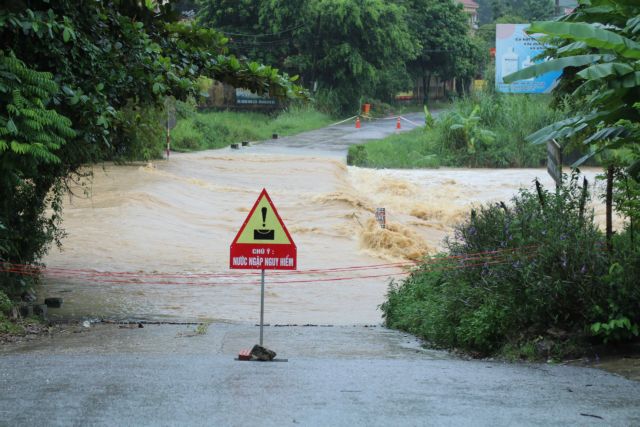
Amid climate change, weather and climate patterns are becoming increasingly complex, with hazardous and extreme phenomena such as heatwaves, short-duration heavy rainfall, flash floods and landslides occurring more frequently.
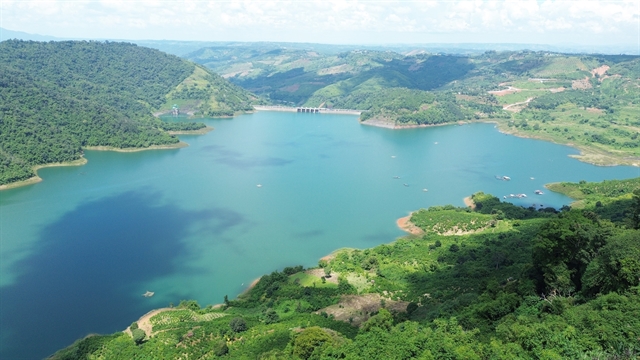
The hydro-meteorological agency therefore urged local authorities and residents to regularly follow and incorporate forecasts and warnings, including short-term bulletins, into their planning. This would allow them to promptly adjust production plans and response measures, particularly reservoir operation plans, to protect infrastructure and downstream areas, as well as production activities and livelihoods, Hòa emphasised. VNS
Environment
 Environment
 Environment
 Environment
 Environment
 Environment
 Environment
 Environment
 Environment
 Environment
 Environment
 Environment
 Environment
 Environment
 Environment