 Environment

AlarmSystemStore.com Earns Alarm.com Silver Premier Partner Recognition for Third Consecutive Year
1.
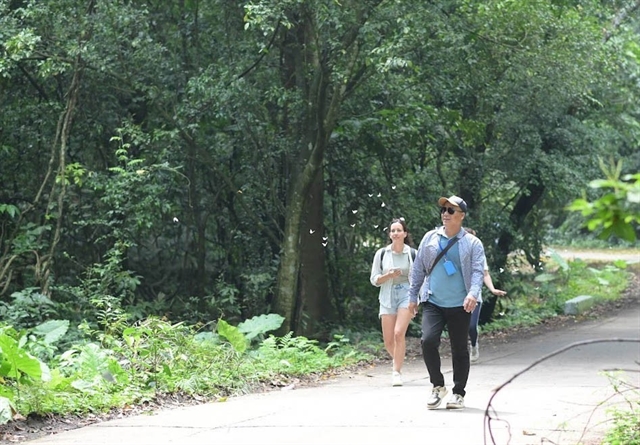 |
| Visitors to Cúc Phương National Park. — VNA/VNS Photo |
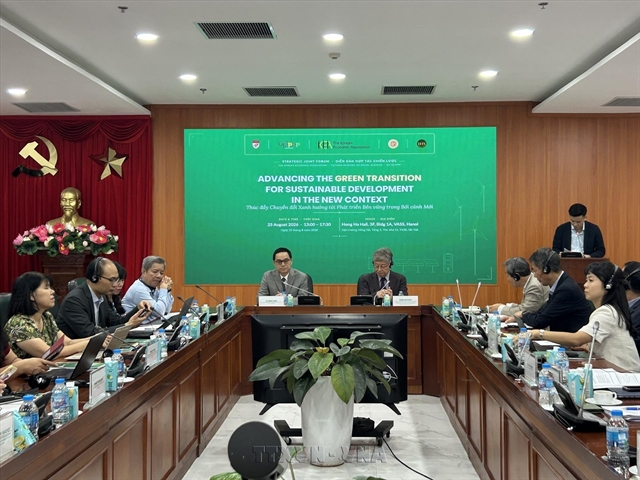
HÀ NỘI — Rewilding is no longer just an option but an urgent necessity and a scientific, comprehensive approach to restoring the structure and functions of natural ecosystems, said Dr Đoàn Hải Nam, deputy director of the Forestry and Forest Protection Department (VNFOREST).
He was speaking on Thursday at a conference to launch the formulation of the Việt Nam Rewilding Plan for 2027-35 with a vision toward 2050, which was oragnised by VNFOREST in partnership with the International Union for Conservation of Nature and Natural Resources (IUCN) and the environment conservation organisation Re:wild.
He said Việt Nam has achieved a forest coverage rate of over 42 per cent, but “greening the land alone is not enough,” as many forests are now facing the “empty forest syndrome,” meaning a serious depletion of wildlife species and a decline in ecological functions.
Rewilding is becoming a core approach in modern conservation, he said.
Participants at the meeting said rewilding is not merely about returning an individual animal to the wild, but about comprehensively restoring the ecological functions of forests and rebuilding the connection between humans and nature.
According to experts, wildlife plays a particularly important role in maintaining the functioning of forest ecosystems.
Around 50-80 per cent of tropical plant species depend on animals for seed dispersal. When large animal species disappear, food chains are disrupted, forest regeneration capacity declines and ecosystem quality is seriously affected.
Nguyễn Văn Chính, director of Cúc Phương National Park, said it is time to change the approach to nature conservation from the mindset of 'returning individual animals' to restoring entire ecosystems.
He said for many years, the success of wildlife rescue efforts has often been measured by the number of animals released back into forests. However, opening a cage does not mark the end of the conservation process.
“An individual animal returning to the forest does not mean the ecosystem has been restored," he said.
"True rewilding must be a process of restoring nature’s ability to function independently, where species can survive, reproduce and maintain stable, long-term ecological interactions.”
Việt Nam has achieved positive results in rescuing and releasing wildlife in recent years, with the participation of national parks, rescue centres and many international conservation organisations.
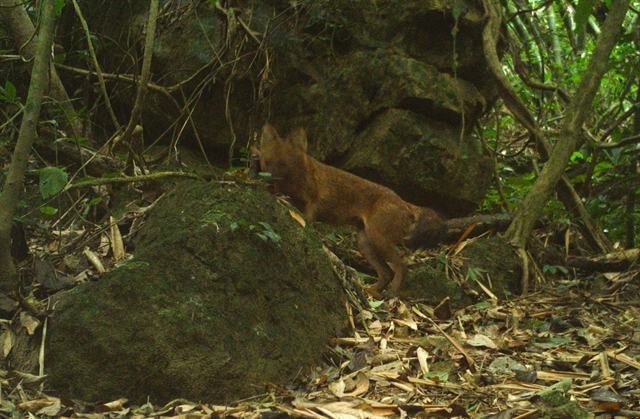
Data from camera traps and surveys in well-protected forests show that animal populations and species diversity are showing signs of recovery.
However, Chính said most current activities remain limited to “returning animals to the forest,” while the underlying conditions needed to ensure the long-term survival of species have not been addressed comprehensively.
He identified three major challenges facing rewilding efforts in Việt Nam. The first is habitat degradation and fragmentation, which have left many forests without sufficient area and ecological connectivity to sustain wildlife populations in the long term.
The second is continued pressure from illegal hunting, trapping and wildlife trade.
“A forest that still has traps and hunting cannot yet be considered suitable for rewilding,” he stressed.
The third is scientific and governance limitations, including a lack of long-term data, the absence of national protocols for wildlife release and post-release monitoring, while resources for conservation work remain fragmented.
He said Cúc Phương National Park is gradually approaching rewilding as a continuous ecological process under the principle that 'nature leads, humans support'.
International experiences were also shared at the conference.
Experts highlighted the reintroduction of grey wolves to Yellowstone National Park, which helped restore the structure and balance of the entire ecosystem, as well as habitat restoration efforts at Khao Yai National Park through the integration of ecology, governance and community participation.
Under the draft framework plan, Việt Nam’s future rewilding efforts will focus on restoring natural ecosystems and populations of endangered and rare species, expanding conservation areas, strengthening habitat connectivity, combating illegal hunting and wildlife trade, standardising scientific procedures and mobilising social resources for nature conservation.
The Việt Nam Rewilding Plan for the 2027-2035 period, with a vision toward 2050, is expected to be finalised and submitted to the Ministry of Agriculture and Environment for approval in 2026. — VNS
Environment
 Environment
 Environment
 Environment
 Environment
 Environment
 Environment
 Environment
 Environment
 Environment
 Environment
 Environment
 Environment
 Environment
 Environment