 Environment
Incense for the fallen: Visitors honour fallen soldiers at the HCM City Martyrs’ Cemetery
1.
|
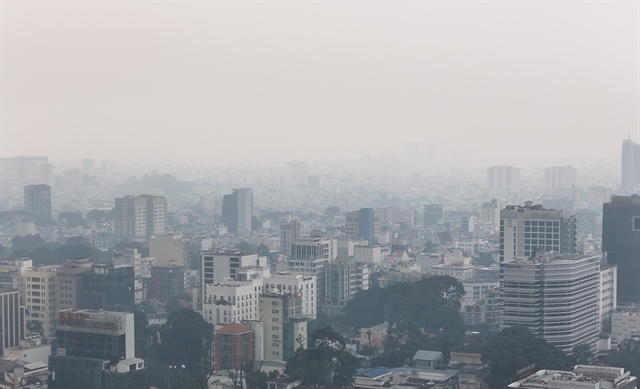
| High-rise buildings in HCM City are shrouded in haze as fine particulate pollution repeatedly exceeds safe limits, underscoring the need for expanded air quality monitoring across the city. — VNA/VNS Photo |
HCM CITY — HCM City authorities have proposed installing nearly 160 air quality monitoring stations to strengthen pollution tracking, early warning systems and emission control policies, as air quality continues to deteriorate in Việt Nam’s largest urban centres.
Under a proposal for the 2026 Natural Resources and Environment Monitoring Programme submitted to the municipal People’s Committee, the city plans to set up 157 air monitoring points across urban areas, industrial zones and major traffic corridors.
The proposal comes as Việt Nam’s largest urban hub is frequently listed among localities with the highest levels of air pollution nationwide.
According to the Department of Agriculture and Environment, the expanded network would provide continuous and reliable scientific data to assess air quality trends, measure the effectiveness of socio-economic policies and improve responses to environmental incidents, particularly during peak traffic hours.
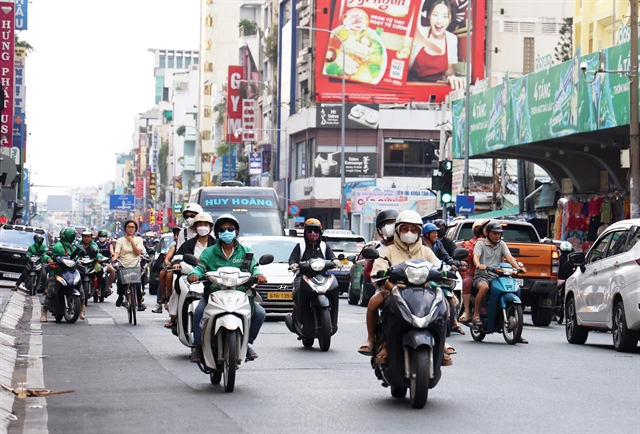
Following recent administrative adjustments, the city has a population of about 14 million and nearly 12.7 million motorbikes and cars, placing heavy pressure on its transport system and environment.
Monitoring data from 2021 to 2025 show concentrations of PM10 and PM2.5 particulate matter, nitrogen dioxide and noise levels frequently exceeding national standards in central districts, major intersections and areas with intensive industrial and construction activity.
Key pollution sources include road traffic, industrial production, construction and household emissions, as well as cross-border pollution from neighbouring provinces such as Đồng Nai and Long An, the department said.
Air pollution has become a major public health concern across Việt Nam, particularly in large cities.
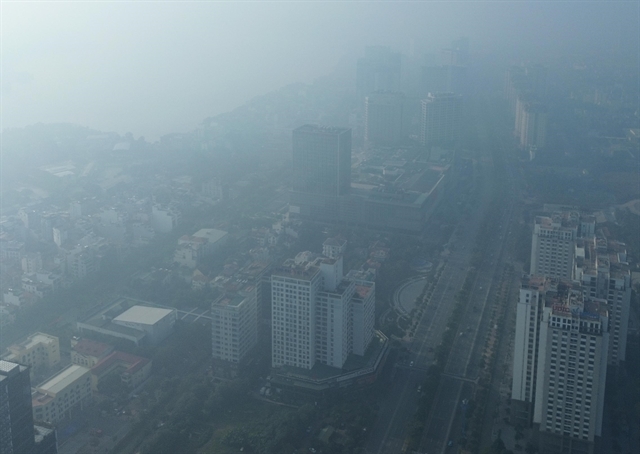
Hà Nội and HCM City regularly experience hazardous air quality episodes during certain periods of the year, driven by traffic congestion, construction dust, industrial emissions, open burning and weather conditions that trap pollutants near the ground.
Fine particulate matter, especially PM2.5, poses the greatest health risk as it can penetrate deep into the lungs and bloodstream, increasing the likelihood of respiratory and cardiovascular diseases.
Beyond air monitoring, the city has also proposed installing 254 surface water monitoring stations, along with dozens of sites to track land subsidence, seawater quality, aquatic ecosystems and sediment conditions.
Organic, nutrient and microbial pollution remains widespread in rivers and canals, particularly in urban and industrial areas receiving large volumes of untreated domestic wastewater.
Prolonged groundwater extraction, pollution from landfills and solid waste treatment facilities, and agricultural pesticide use are also contributing to declining groundwater levels, land subsidence and ground deformation, authorities warned.
Under the Prime Minister’s Directive No. 20, HCM City is required to review and strengthen environmental governance, address regulatory bottlenecks and focus on major pollution hotspots.
The city is rolling out measures including vehicle emission controls, green transition programmes and the development of low-emission zones as part of its broader response to worsening pollution. — VNS
Environment
 Environment
 Environment
 Environment
 Environment
 Environment
 Environment
 Environment
 Environment
 Environment
 Environment
 Environment
 Environment
 Environment
 Environment