 Environment

AIMCONNECT 2026 Held in Singapore, Bringing Global Automotive Leaders Together to Explore the Future of AI, Trust and Connected Mobility
1.
 |
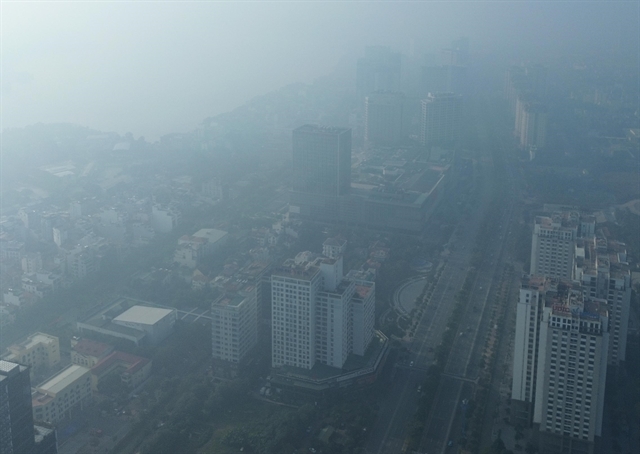
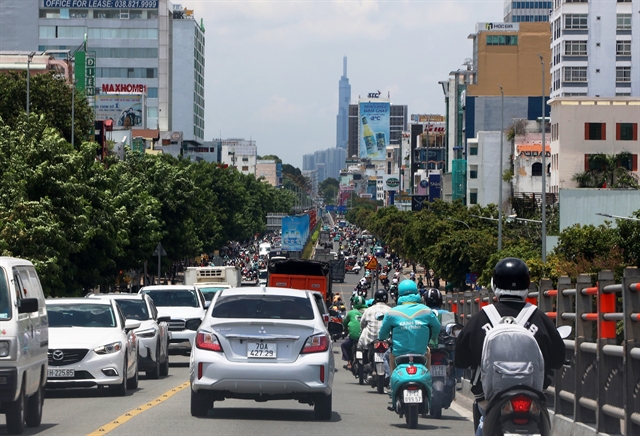
| Vehicles on a street in Hoàn Kiếm Ward, Hà Nội. — VNA/VNS Photo Hoàng Hiếu |
HÀ NỘI — Outsourcing vehicle emissions testing to independent service providers could be a crucial step towards easing the burden on the State budget, as much of the cost of operating an inspection system could be shared with private enterprises and other providers, officials say.
Exhaust emissions from motor vehicles in major cities are now considered one of the leading contributors to air pollution in Việt Nam, particularly in large urban centres, where pollution levels are rising at an alarming rate.
National Assembly (NA) Deputy Phạm Văn Hòa of Đồng Tháp Province said any move towards outsourcing must go hand in hand with a robust system of supervision, inspection and timely reminders to ensure quality and transparency, while avoiding unchecked expansion.
“Outsourcing emissions testing not only helps reduce pressure on the State budget, but also mobilises wider societal resources, encouraging the development of greener and more sustainable transport,” he said.
However, success demands a clearly defined roadmap, rigorous oversight, supportive policies for businesses and synchronised investment in infrastructure and personnel.
These are the foundations for Việt Nam to advance towards a green transport system, smart cities and sustainable development, he said.
Ageing vehicles
Recognising the large number of ageing vehicles that fail to meet technical standards, Hòa stressed the need for modern inspection centres and up-to-date measurement equipment to ensure feasibility and consistency in implementation.
He said that planning for infrastructure and manpower must come first.
The greatest challenge lies not only in conducting inspections, but also in dealing with vehicles that fail to meet standards.
“The removal or prohibition of millions of old vehicles, many of which are used daily by low-income earners, must be accompanied by humane and comprehensive support policies,” he said.
The Government needs measures in place to help shift from high-emissions vehicles to more environmentally friendly forms of transport.
Given Việt Nam’s high density of personal vehicles, the transition requires a long-term and carefully staged approach, he said.
Deputy Chairman of the NA’s Committee on Science, Technology and Environment Tạ Đình Thi said that with 74 million cars and motorbikes currently on the road, the demand for inspection infrastructure and personnel is enormous.
“The State alone cannot manage such a vast task in a short period. Clearly, we must outsource it so the private sector can take part,” he said.
Testing process
For emissions testing policies to take root, Thi said that implementation must ensure fairness across regions and among all stakeholders.
The testing process must be transparent, streamlined and designed to harmonise interests.
“Vehicle owners understand the purpose of the policy, but if procedures are too complicated and burdensome, they will not cooperate,” he said.
Procedures must therefore be simplified. Only when all parties see clear benefits will they participate and support vehicle emissions testing, he added.
Professor Nguyễn Hữu Dũng, director of the Việt Nam Institute of Urban and Industrial Environment, said major cities like Hà Nội and HCM City should adopt a phased plan to restrict motor vehicles if they wish to develop into smart cities, rather than simply replacing one fuel type with another.
However, vehicle inspection is a complex task, as it must balance social welfare with environmental requirements, he noted.
While regulations on motor vehicles are well established, many outdated and dilapidated vehicles remain in circulation.
Most Vietnamese households own between one and three motorbikes. Testing old, deteriorated motorcycles will be far more challenging than testing cars, given the sheer volume.
Việt Nam also lacks detailed data on vehicles circulating within each city. For instance, the number of vehicles from Hà Nội travelling to other provinces, or those from elsewhere operating in the capital, is unknown.
Detailed surveys are needed, along with clear rules on how inspections will be carried out, he said.
The professor agreed with the Ministry of Agriculture and Environment’s draft plan on testing methods, certification and inspection equipment, adding that social welfare considerations must be prioritised.
Low-income workers reliant on motor vehicles must be given time and support to transition to alternatives.
He said awareness campaigns would be essential to encourage voluntary inspections and vehicle replacement, particularly among households using vehicles made before 2006, a group linked to high emissions and significant impacts on the environment. — VNS
Environment
 Environment
 Environment
 Environment
 Environment
 Environment
 Environment
 Environment
 Environment
 Environment
 Environment
 Environment
 Environment
 Environment
 Environment