 Economy


Polish PM’s Việt Nam visit to strengthen bilateral ties: Ambassador
1.
 |
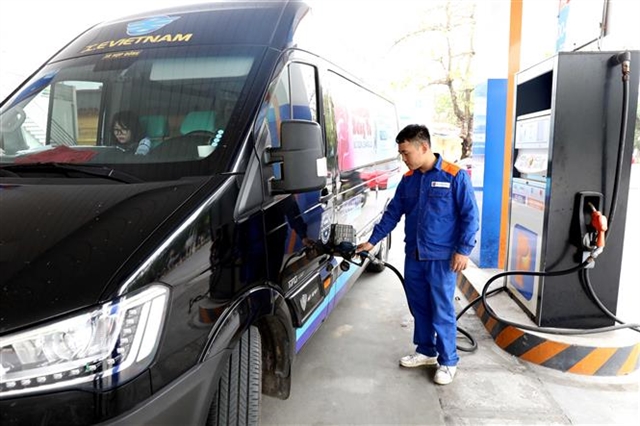
| The price gap has prompted residents in border areas of Cambodia and Laos to cross into Việt Nam to buy fuel. — Photo Vietnam+ |
HÀ NỘI — The Việt Nam Customs has issued a directive to the Department of Anti-Smuggling Investigation and regional customs units to strengthen measures against fuel smuggling and illegal cross-border transportation.
According to the agency, the increasingly complex international political and security situation, particularly escalating conflicts in the Middle East, has affected the global energy market and influenced fuel supply, prices and energy security.
However, Việt Nam’s fuel prices remain lower than those in neighbouring countries.
Late Tuesday, the retail price of RON95 gasoline in Việt Nam revised up to more than VNĐ29,000 (US$1.04) per litre, compared with about VNĐ31,000 per litre in Cambodia and VNĐ39,000 per litre in Laos.
The price gap has prompted residents in border areas of Cambodia and Laos to cross into Việt Nam to buy fuel.
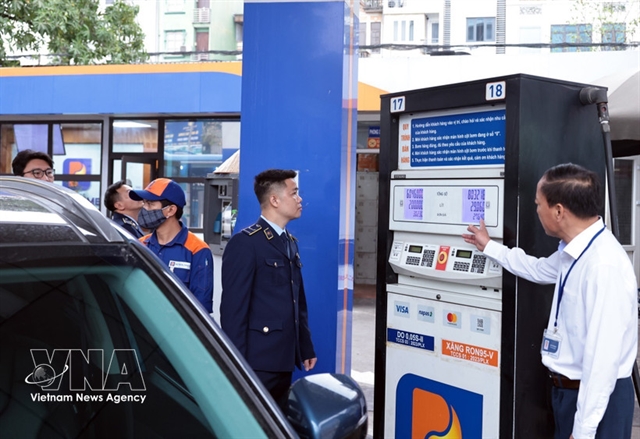
To detect and prevent violations, customs authorities have instructed relevant units to closely monitor market developments, including fuel supply and demand dynamics and price differences between Việt Nam and neighbouring countries. This will help authorities forecast potential smuggling trends and take early preventive action.
Customs forces are required to intensify patrols, inspections and intelligence gathering, particularly along inland waterways, land border checkpoints with Laos and Cambodia, and key maritime routes.
In particular, the units are stepping up exchanges, coordination and information sharing on fuel smuggling activities along border routes and in maritime areas with anti-smuggling forces including border guards, police, coast guards, local market management authorities in border provinces.
The agency also emphasised the need to combine enforcement with guidance for businesses to ensure compliance with regulations on the import, export, transit and temporary import and re-export of petroleum products, contributing to market stability and national energy security. — VNS
Economy
.jpg) Economy
Economy
 Economy
 Economy
 Economy
 Economy
 Economy
 Economy
 Economy
 Economy
 Economy
 Economy
 Economy
 Economy
 Economy