 Brandinfo
Viên dives again to popularise swimming passion
1.
 |
| The southern face of Phú Quốc is being brought to life by top designers |
Just a decade ago, Phú Quốc was still associated with pristine beaches, tranquil fishing villages, and the imagination of travellers picturing a remote, little-known island. Alongside the rapid growth of tourism, bold architectural visions are now being brought to life by renowned architects. All of this is helping to shape Phú Quốc into a hub for world-class architecture.
Marco Casamonti: The artist behind “Pearl Island”’s most romantic icon
Renowned Italian architect Marco Casamonti, founder of Archea Associati, has created a romantic icon for Phú Quốc: the Kiss Bridge. Upon its debut, CNN highlighted the structure as one of the most spectacular sunset spots in Asia.
Born in Florence, the cradle of the Renaissance and one of the world’s most important centres of art and architecture, Casamonti grew up immersed in a rich tradition of creativity. The city of his birth, with its unique blend of art, science, and culture, nurtured a lasting architectural inspiration that has fuelled his career.
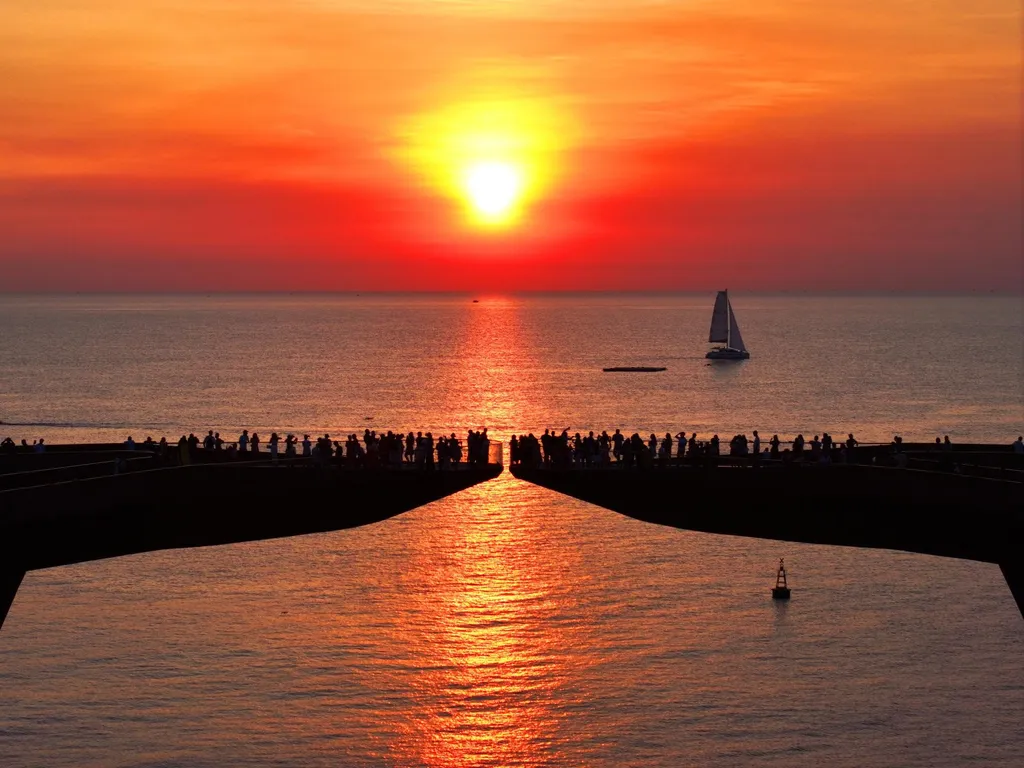 |
| Marco Casamonti’s masterpiece, the Kiss Bridge, unites love and culture on Phú Quốc Island |
This spirit also carries through Casamonti’s international projects, including the Kiss Bridge in Phú Quốc. The bridge’s inspiration draws from Michelangelo’s Renaissance masterpiece The Creation of Adam and the mythical beauty of the Ông Ngâu – Bà Ngâu legend from East Asian culture.
Its two arms stretch out towards the sea without touching, leaving a small gap in the middle, evoking a moment of anticipation and connection. It is precisely this fusion of Western symbolism and Eastern mythology that gives the Kiss Bridge its distinctive identity — a structure embodying a unique Italian–Vietnamese DNA amid the sky and sea of Phú Quốc.
Renaissance sculpture art by Frilli Gallery
The presence of Frilli Gallery, Italy’s most renowned sculpture workshop with a history spanning over 150 years, adds a classical dimension to the architectural landscape of Sunset Town. Frilli brings not only exquisite craftsmanship but also the spirit of Renaissance art, embodied in the King of the Sun Fountain — a solid Carrara marble masterpiece painstakingly crafted over several years by Italian artisans.
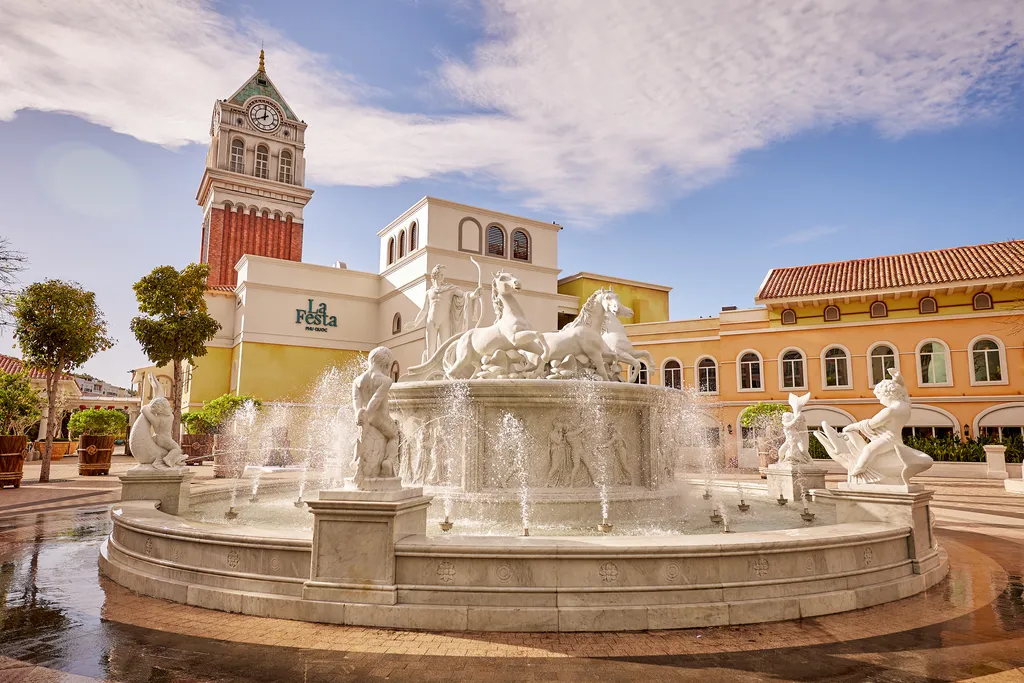 |
| Frilli Gallery imprints Renaissance artistry on the seaside square with the King of the Sun Fountain |
At the heart of the fountain stands the figure of the sun god Helios riding his chariot, surrounded by Greek deities, evoking the grandeur of classical European squares. Placed within a setting where the clock tower and Italian-inspired architectural blocks coexist, the work becomes a cultural lens, allowing visitors to experience the essence of classical European art amid the tropical sea and sky.
Bill Bensley: Storytelling in Architecture
Dubbed the ‘resort king’, with a portfolio of over 200 resorts in 30 countries, Bill Bensley brings a distinctive architectural approach to Phú Quốc: storytelling through design. At Bãi Kem, he developed the concept for JW Marriott Phú Quốc Emerald Bay based on a fictional 19th-century narrative of Lamarck University.
The entire resort is divided into different faculties such as Zoology, Chemistry, and Astronomy. Each section has its own design theme, featuring decorative details and artefacts that evoke a classical academic atmosphere. The landscape is crafted as a series of gallery-like spaces, where corridors, reading rooms, simulated laboratories, and collections of artefacts create a continuous exploratory experience for guests.
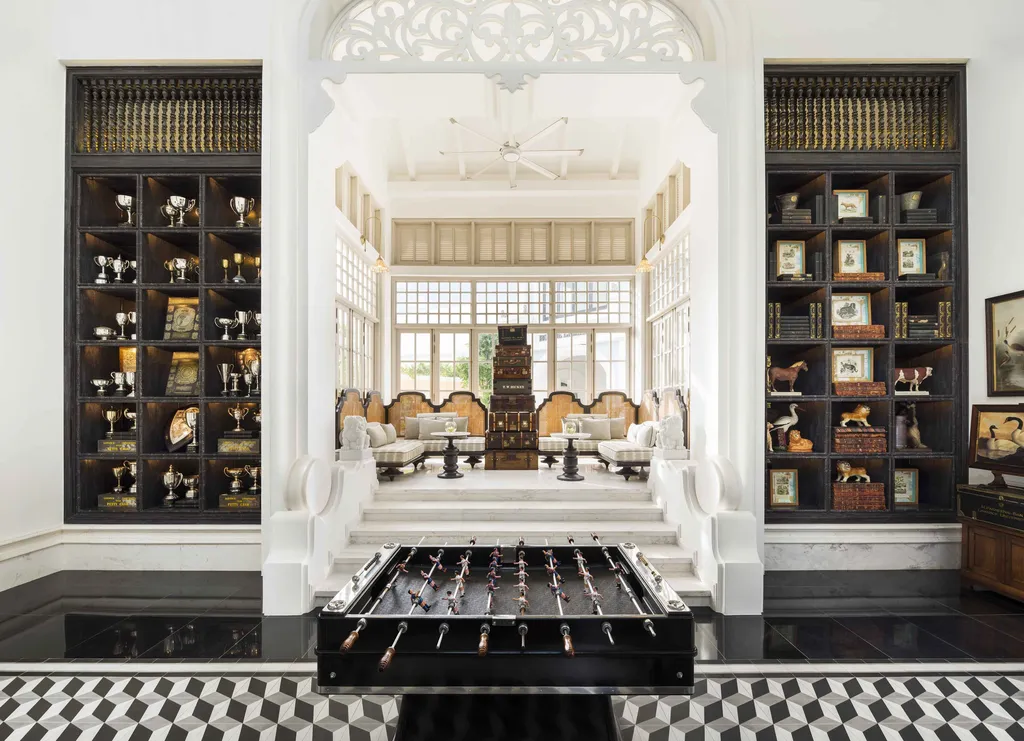 |
| Bill Bensley transforms Bai Kem resort into a captivating world of fictional academia |
At Sun Signature Gallery in Sunset Town, Bensley continues to showcase his creative signature through Mid-Century Modern architecture. The building stands out with its sharp geometric forms, contrasting colour blocks, and expansive glass walls framing the sea view. The design maximises natural light in the tropical setting while creating a flexible exhibition space for art and cultural events.
10 Design highlights a Mediterranean touch
Recently, Phú Quốc welcomed 10 Design, the Hong Kong-based international architecture firm. Known for large-scale planning and architectural projects worldwide, 10 Design follows a design philosophy that closely integrates buildings, landscapes, and human experience.
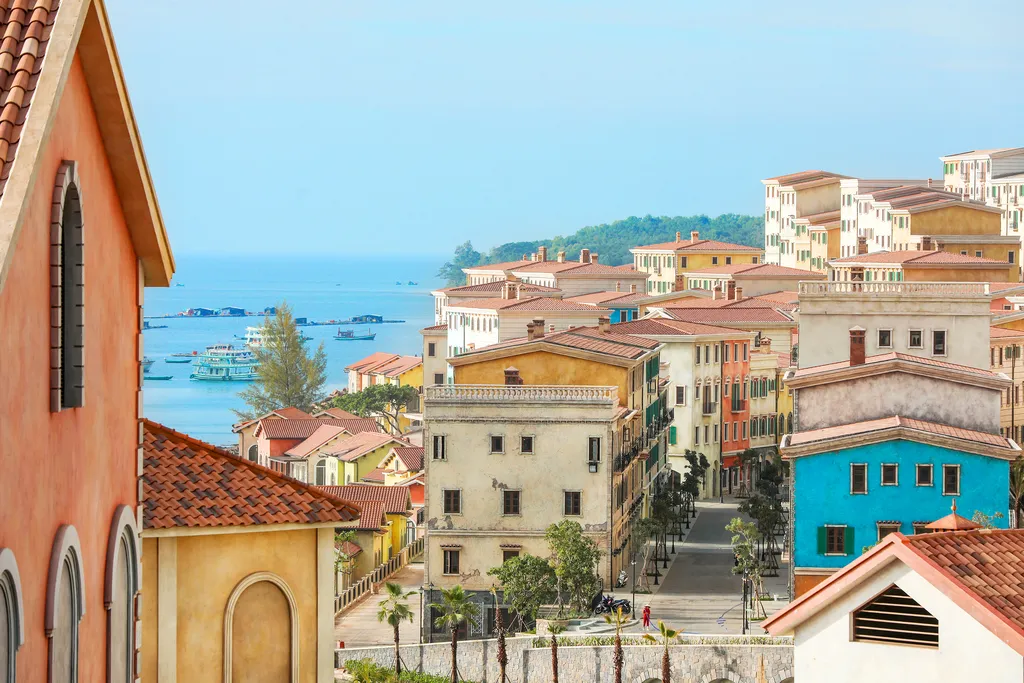
At Hòn Thơm, 10 Design created Santo Port, inspired by the charm of Santorini, featuring bright white buildings against the blue sky and sea, staircases winding along the hillsides, sea-facing balconies, and narrow winding lanes that evoke the feeling of wandering through a Greek village on the Aegean coast.
Yet Santo Port also embraces a tropical spirit, with balconies, porches, and large windows enhancing natural ventilation, creating a light and airy atmosphere under the island sun and breeze. Natural materials such as wood and pebbles, combined with rustic details and native greenery including coconut palms and tropical plants, allow the space to reflect both Mediterranean elegance and the vibrant essence of a southern island paradise.
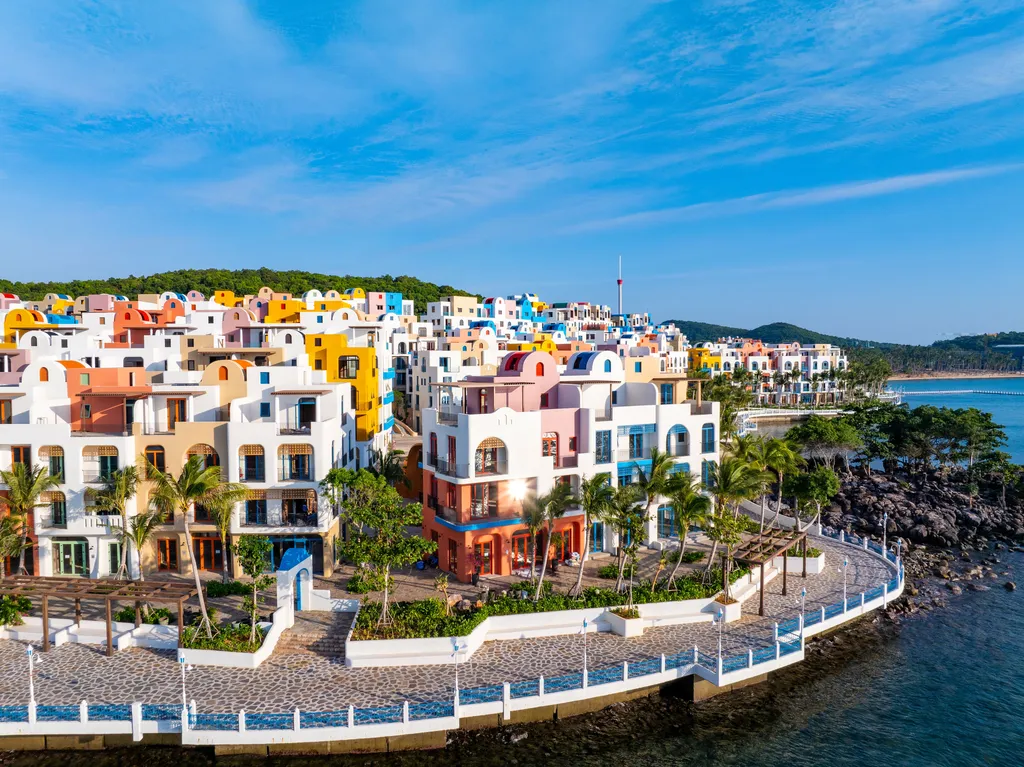 |
| 10 Design reinterprets Santorini’s charm using tropical materials at Hòn Thơm |
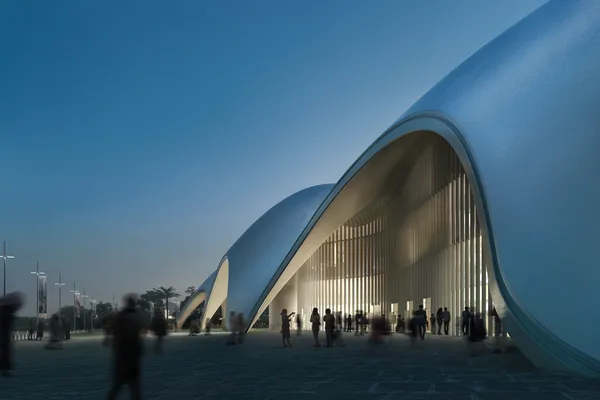
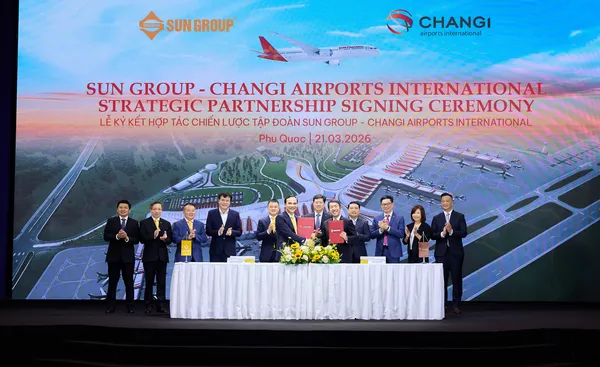
As Phú Quốc prepares to host high-profile events such as APEC, its architectural landscape continues to evolve, shaped by talented ‘artists’. Notably, Phú Quốc International Airport was designed with consultancy from CPG Consultants of Singapore, while the APEC Convention and Exhibition Centre was crafted by Skidmore, Owings & Merrill, the studio behind numerous iconic urban landmarks worldwide.
The presence of these renowned names signals that Phú Quốc is more than just a tourist destination. It is gradually emerging as an international coastal city, attracting global architectural talent and creative ideas, much like Singapore and Dubai did in shaping their architectural identity and global appeal.
Brandinfo
 Brandinfo
 Brandinfo
 Brandinfo
 Brandinfo
 Brandinfo
 Brandinfo
 Brandinfo
 Brandinfo
 Brandinfo
 Brandinfo
 Brandinfo
 Brandinfo
 Brandinfo
 Brandinfo