 Sports

Vietnamese scientist wins ASEAN-US Science Prize for Women
1.
|
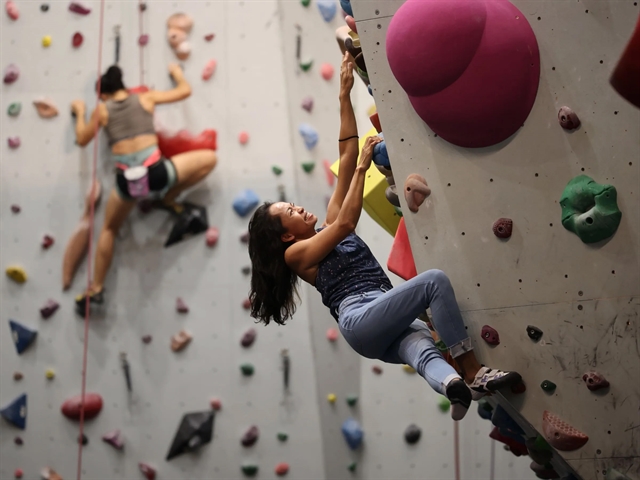
| Sport climbing is gradually becoming popular in Việt Nam. Vietnamese climbers will take part in the upcoming 33rd SEA Games by socialised funds. — Photo webthethao.vn |
HÀ NỘI — With the 33rd Southeast Asian (SEA) Games in Thailand fast approaching, Vietnamese sports stand at a defining crossroads. Beyond maintaining regional rankings, this edition offers the country a vital chance to embrace a new direction — investing in socialised sports.
As high-performance disciplines struggle with limited funding, the traditional approach of dividing resources across numerous Olympic and ASIAD events is proving unsustainable. To overcome this challenge, Việt Nam is increasingly turning to socialised sports — a growing sector that welcomes wider investment and participation. This shift is being powered by businesses, sports associations and individuals who see potential in less mainstream disciplines.
The preliminary list submitted to the SEA Games Organising Committee showcases a diverse selection of socialised sports, including skateboarding, ice skating, bowling, mixed martial arts (MMA), baseball, sport climbing, teqball, electronic sports (e-sports), tug of war, and jet skiing. Many of these are gaining strong momentum in Việt Nam, with newcomers like MMA and teqball set to make their regional debut.
Commitment to excellence
Federation representatives have reaffirmed their commitment to preparing athletes for success through detailed training programmes and talent selection. Vietnamese e-sports, in particular, is integrating quickly into the regional scene. With strong backing from sponsors and game publishers, athletes enjoy more opportunities for international competition. The Việt Nam E-Sports and Entertainment Association plans to send 60 officials, coaches and athletes to the SEA Games, aiming for one gold, two silver and three bronze medals to strengthen Việt Nam’s regional standing.
Bowling, though not heavily funded, continues to thrive through private clubs in Hà Nội and HCM City. These clubs are the backbone of grassroots tournaments that nurture young talent and sustain the sport’s steady growth.
Sport climbing is also seeing a resurgence among urban youth, with private gyms opening across major cities. This boom is expanding the national talent pool, and the sport’s return to the SEA Games is expected to attract even greater interest and investment. Indonesia’s gold-medal triumph in sport climbing at the 2024 Olympics stands as powerful inspiration for Việt Nam’s own ambitions.
MMA, making its first appearance at the SEA Games, is another fast-rising discipline. The Vietnamese team will compete in all six events, following a comprehensive training regime supported by the Việt Nam MMA Federation.
Deputy General Secretary of the Việt Nam MMA Federation Tống Ngọc Hòa emphasised that their goal is to field the strongest athletes and secure a gold medal.
|
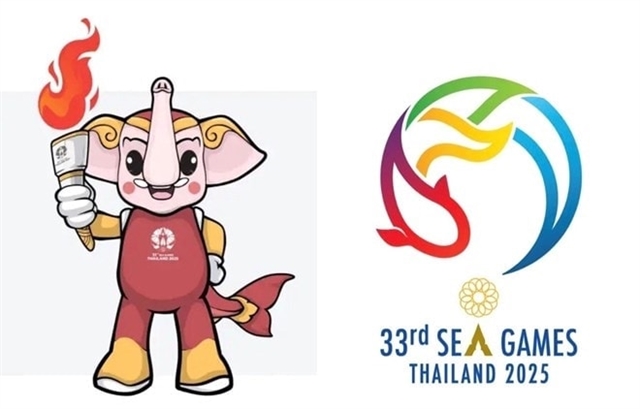
| Mascot of SEA Games 33. — Photo tdtt.gov.vn |
Role of socialised sports
The autonomy of socialised sports is one of their most compelling attributes. Training, equipment and competition funding predominantly rely on societal contributions, allowing state oversight to focus on strategic orientation and quality control.
Deputy Minister of Culture, Sports and Tourism Hoàng Đạo Cương has emphasised that including socialised sports in the SEA Games aims to enhance medal-winning potential while affirming a new development direction for Vietnamese sports.
This initiative not only fosters competition but also promotes a vibrant sports culture that engages communities and businesses alike. Localities such as Hà Nội, HCM City and Đà Nẵng have embraced this model as part of their sports development strategies, prioritising disciplines that can generate their own funding and appeal to local populations.
Learning from Indonesia
Indonesia’s investment in socialised sports, particularly sport climbing, offers valuable lessons. By building strong partnerships between businesses and federations, Indonesian athletes have gained access to world-class training facilities and resources. This strategic approach culminated in Veddriq Leonardo winning Indonesia’s first Olympic gold medal in sport climbing at the 2024 Paris Games, a testament to the success of their long-term vision.
Việt Nam is beginning to mirror this successful model. The sport climbing movement is rapidly expanding, especially in urban centres. The establishment of international-standard gyms and the involvement of foreign coaching staff demonstrate growing investment in athlete development. The Vietnamese sport climbing team, led by an American coach, are well positioned to build on this momentum at the SEA Games.
Socialised sports should not be viewed merely as supplementary to traditional disciplines; they are essential for the future of Vietnamese athletics. This expansion opens the door to competing at prestigious events such as the Olympics and ASIAD, moving beyond reliance on a few conventional sports.
The upcoming SEA Games represent only the beginning. The aspirations of the Vietnamese delegation go beyond participation, as they aim to cement Việt Nam’s position in the global sports arena. Experts agree that a thorough evaluation of the potential of these sports in major international competitions is vital for long-term success.
To ensure the sustainable growth of socialised sports, the Ministry of Culture, Sports and Tourism is developing mechanisms to encourage localities, federations and businesses to invest in sports. If implemented effectively, this approach will not only boost grassroots participation but also help propel Việt Nam’s elite athletes to new heights, strengthening the nation’s organisational capacity and appeal within the global sports community. — VNS
Sports
 Sports
 Sports
 Sports
 Sports
 Sports
 Sports
 Sports
 Sports
 Sports
 Sports
 Sports
 Sports
 Sports
 Sports