 Society
SBV to curb property price inflation, enforce lending rate rules
1.
 |
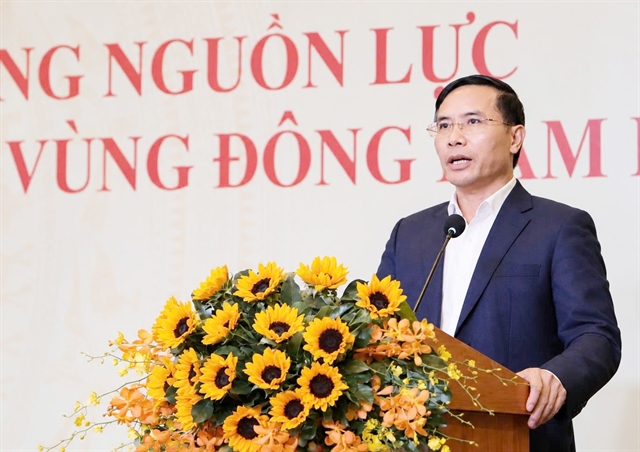
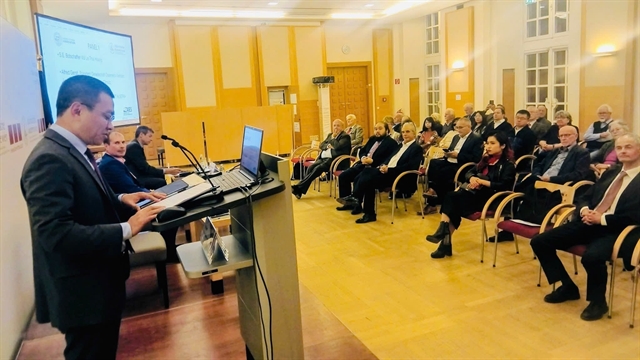
| Prof. Đào Xuân Cơ, Director of Bạch Mai Hospital, speaks at the event. Photo courtesy of the organiser |
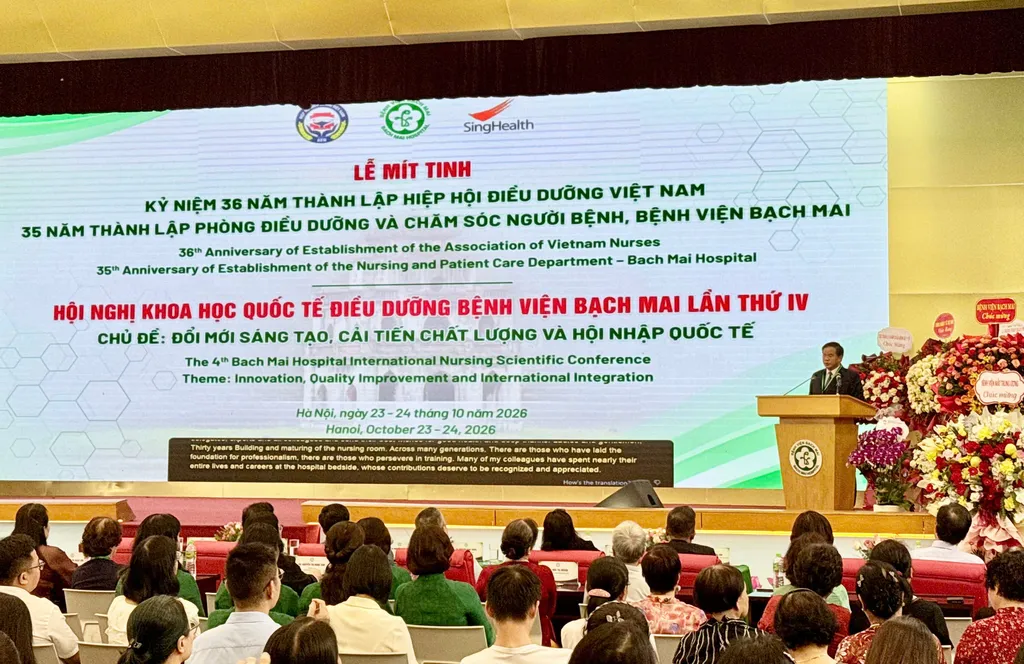
HÀ NỘI — Health experts discussed measures to enhance the nursing profession at the 4th International Nursing Scientific Conference held by Bạch Mai Hospital on October 23–24.
The event marks the 36th anniversary of the founding of the Vietnam Nurses Association and the 35th Anniversary of the Establishment of the Department of Nursing and Patient Care at Bạch Mai Hospital.
Speaking at the event, Dr. Hà Anh Đức, Director of the Medical Services Administration, the Ministry of Health, has highlighted the professional role of nurses and their substantive contributions to treatment outcomes, patient safety and patient satisfaction.
Dr. Đức emphasised that transforming nursing practice must begin by addressing specific issues within clinical care. He highlighted the need for quality improvement aligned with international standards, such as those set by the Joint Commission International (JCI), alongside the enhancement of professional expertise, foreign language proficiency, and adaptability to meet the demands of global integration.
President of the Vietnam Nurses Association Phạm Đức Mục stated that the establishment of the Vietnam Nurses Association in 1990 and the Nursing Department at Bạch Mai Hospital in 1991 laid a crucial foundation for the professionalisation of nursing. Over the past 36 years, the Vietnam Nurses Association has grown to include nearly 120,000 members.
According to Mục, this development reflects a maturation in research capacity, as well as an integration of scientific rigour with the art of patient care among nursing staff.
Mục suggested that future research should focus on evaluating the effectiveness of clinical interventions, care packages, and the economic impact of nursing, thereby further clarifying the value of nursing care.
Prof. Đào Xuân Cơ, Director of Bạch Mai Hospital, highlighted the contributions of the hospital’s nursing staff, midwives, medical technicians, and patient care support personnel. He further emphasised the vital role of nurses in monitoring the progression of patients' conditions, identifying risks early, ensuring patient safety, and enhancing the effectiveness of treatment.
Moving forward, the hospital will focus on six key objectives: establishing a professional and unified nursing system across both campuses; ensuring patient safety; developing a high-quality workforce; accelerating digital transformation and scientific research; fostering a human-centred service culture while improving the work environment; and strengthening professional training and the transfer of clinical expertise, according to Dr Cơ.
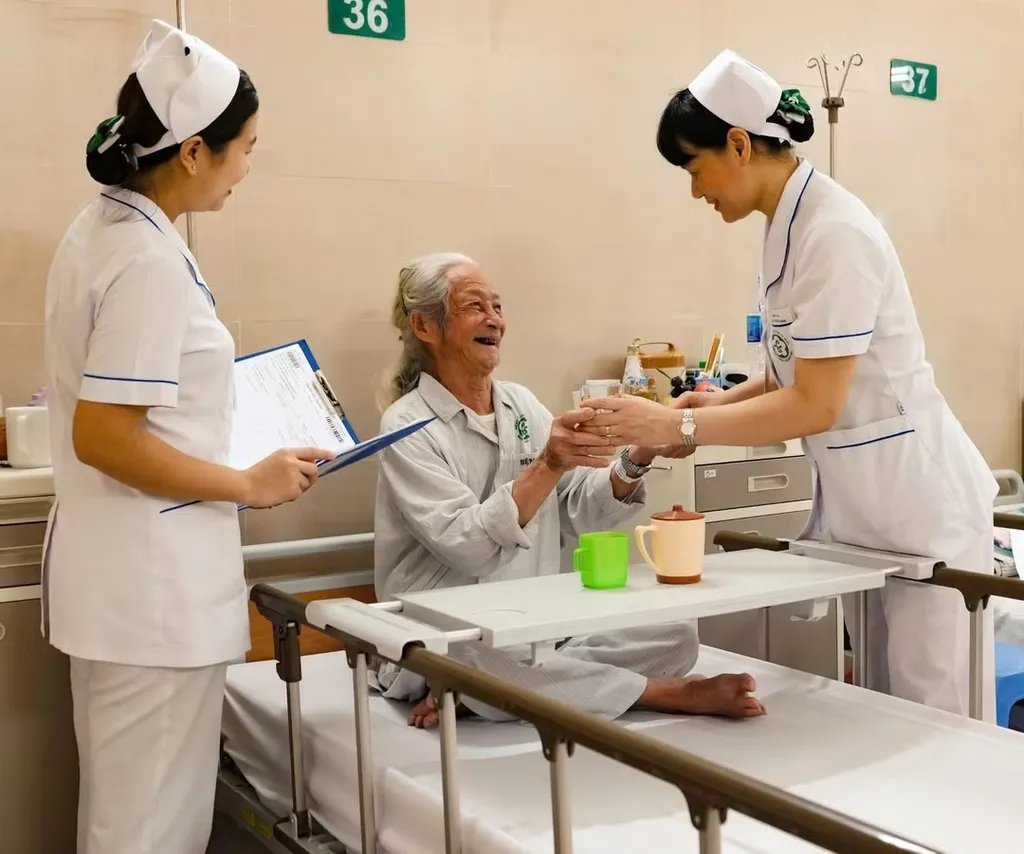 |
| Bạch Mai Hospital currently employs over 2,300 nurses, technicians and midwives. Photo courtesy of the organiser |
The 4th International Nursing Scientific Conference focuses on four main topics such as: quality management policies; nursing education management and international integration; counselling and advocacy for tissue and organ donation, including domestic and international implementation experiences; and vaccines for all—proactive disease prevention and improving the quality of life.
At the event, participants focused their discussion on various fields, including intensive care, cardiology, neurology, nephrology and urology, oncology, obstetrics and paediatrics, infectious diseases, rehabilitation, infection control, laboratory medicine, and diagnostic imaging.
A key focus of the programme is the integration of scientific research with clinical practice, specifically addressing practical challenges in patient care and treatment, ensuring patient safety, and enhancing the patient experience.
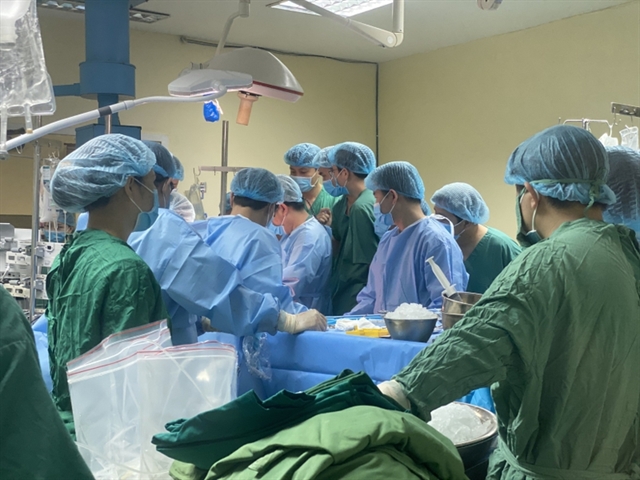
Many presentations highlight concrete solutions, such as physician-nurse collaboration in the management of patients with severe strokes; early mobilisation for patients on mechanical ventilation; skin care and injury prevention; infection control in organ transplantation; care for cancer patients; and the management of fall risks.
These discussions highlight that the innovation required in nursing extends beyond merely updating care techniques; it also encompasses the ability to apply scientific evidence, critical thinking, and technology to clinical practice. By doing so, nurses can take a more proactive role in the care process, coordinate treatment, and ensure patient safety.
This also serves as a foundation for promoting a patient-centred approach to care, while ensuring that training remains aligned with the practical requirements of healthcare facilities. — VNS
Society
 Society
 Society
 Society
 Society
 Society
 Society
 Society
 Society
 Society
 Society
 Society
 Society
 Society
 Society