 Society

World Health Summit 2026: Berlin Becomes Global Meeting Point for the Future of Health
1.
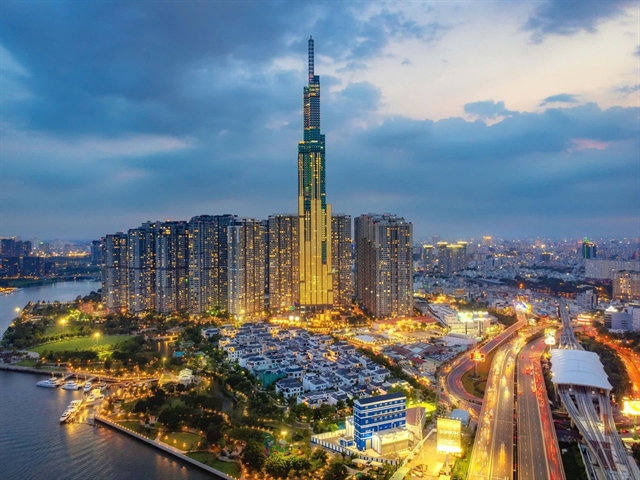 |
| HCM City has cemented its position as Việt Nam's economic engine, innovation hub, and one of its most dynamic metropolitan areas. — Photo from the Việt Nam Government Portal |
HCM CITY — Fifty years after being named for President Hồ Chí Minh, Sài Gòn-Gia Định has transformed from a war-ravaged city into Việt Nam's economic powerhouse, contributing around a quarter of its GDP and pioneering institutional reforms, innovation, and sustainable development.
Ahead of the 50th anniversary of lawmakers’ decision on July 2, 1976 to rename it HCM City, its People's Committee Chairman Nguyễn Văn Được said the city's achievements over the past five decades reflected not only economic success but also its enduring commitment to innovation, national development, and improving people's lives.
It has maintained its position as Việt Nam's leading growth pole despite numerous economic and social challenges over the past half century, he said.
Its economy has undergone a remarkable transformation since reunification.
From average annual growth of just 0.91 per cent during 1976-80, expansion accelerated after the đổi mới (renewal) course to average of 12.62 per cent between 1991 and 1995.
In 2025, it grew by an estimated 8.03 per cent and accounted for a fourth of the national economy.
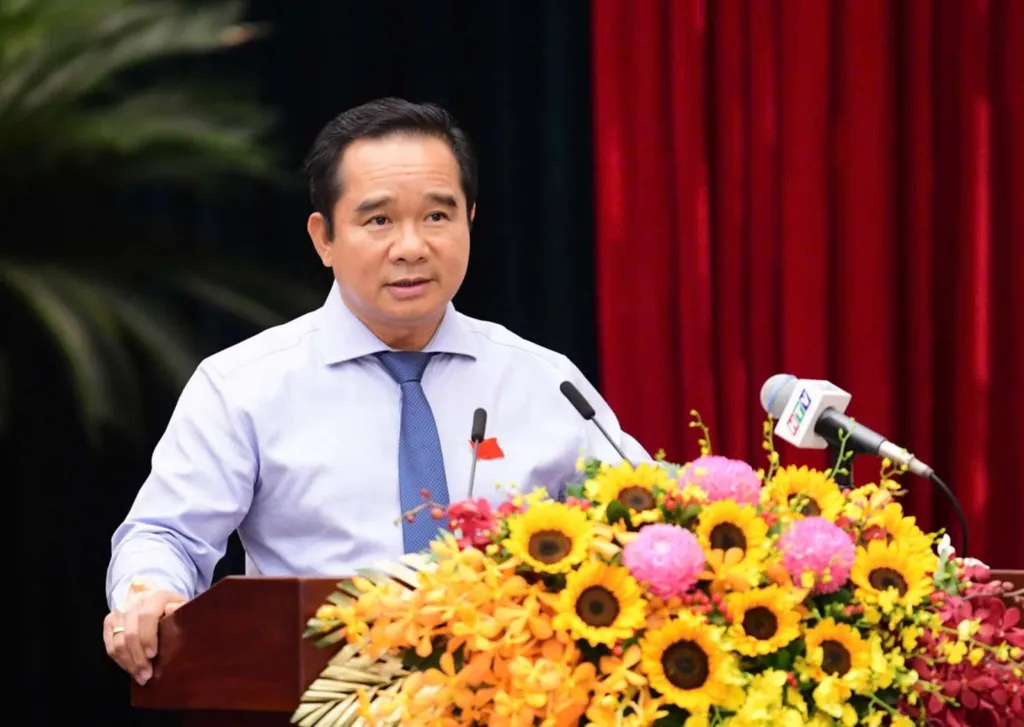 |
| Nguyễn Văn Được, chairman of HCM City People's Committee — VNA/VNS Photo |
During the first quarter of 2026, growth was 8.27 per cent, with services accounting for more than 52 per cent of the economy.
Được said foreign investment has played a pivotal role in the city's development since the Foreign Investment Law was enacted in 1987.
The city has attracted FDI of US$142 billion in more than 20,000 projects from investors representing 152 countries and territories.
The foreign-owned sector now accounts for a fifth of its gross capital formation and more than half of exports.
The city has also become Việt Nam's largest international trading hub and one of its leading centres for education and high-quality human resources.
Modern metropolis
Alongside economic growth, HCM City has also undergone enormous changes to its landscape.
Landmark infrastructure projects such as Nguyễn Văn Linh Boulevard, East-West Boulevard, the Sài Gòn River Tunnel, Phú Mỹ Bridge, and regional expressways have greatly improved connectivity.
A historic milestone came with the opening of metro line No. 1 (Bến Thành-Suối Tiên) in late 2024, ushering in what city leaders describe as a new era of modern public transport.
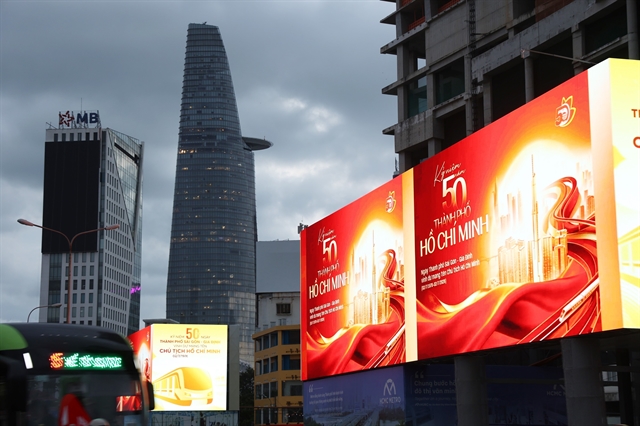 |
| The logo commemorating the 50th anniversary of the renaming of Sài Gòn–Gia Định City to Hồ Chí Minh City, proudly displayed on electronic screens amidst the modern urban landscape of the southern metropolis. — VNA/VNS Photo Hồng Đạt |
At the same time, developments such as Phú Mỹ Hưng, the Thủ Thiêm New Urban Area, export processing zones, industrial parks, and the Hi-Tech Park have helped reshape the city into a modern, internationally integrated metropolis.
Được pointed out that economic development has always gone hand in hand with social progress.
He said the city has consistently upheld the principle that no one should be left behind, with successive administrations prioritising social welfare, healthcare, education, and higher living standards.
Recognition by UNESCO as a Global Learning City in 2024 testifies to HCM City’s efforts to promote lifelong learning, while investment in healthcare is gradually positioning it as a regional medical hub, he said.
The city has also maintained political stability, strengthened national defence and public security, and improved the effectiveness of its two-tier local government system, creating a favourable environment for long-term development, he said.
Policy laboratory
Beyond its economic role, Được described HCM City as Việt Nam's "policy laboratory" where many of the country's breakthrough reforms were first tested before being expanded nationwide.
Before the đổi mới era, it pioneered practical initiatives that helped remove barriers to production.
It later became home to Việt Nam's first export processing zone at Tân Thuận in 1991 and has since led in the development of high-tech industries and modern urban planning.
The city has also introduced social programmes that later became national models, including poverty alleviation initiatives and housing support for disadvantaged families.
Today, it is implementing special mechanisms approved by the National Assembly, like Resolution No. 98 on specific policies for the city, Resolution No. 188 on accelerating urban railway development, and Resolution No. 222 on establishing an International Financial Centre.
According to Được, these are intended to provide fresh momentum for economic growth while allowing the city to continue testing reforms that could benefit the country as a whole.
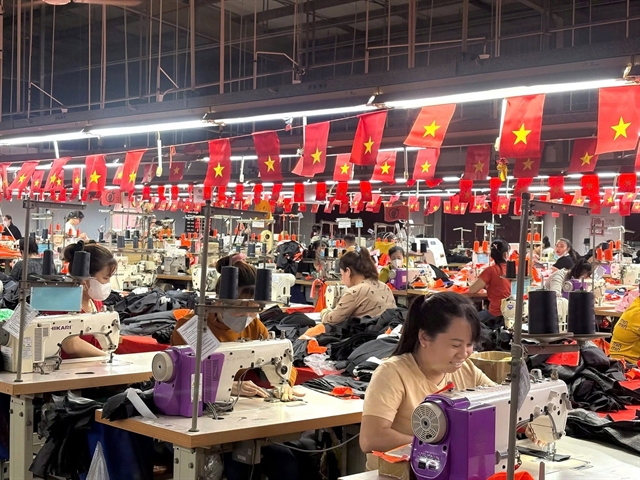 |
| HCM City's enduring spirit of compassion and solidarity continues to shape development centred on people's quality of life. — Photo baochinhphu.vn |
Five strategic priorities
Looking ahead, the chairman listed five strategic priorities that would guide the city's development in the coming years.
The first is building a new growth model driven by science, technology, innovation, digital transformation, and green development.
The city aims to attract leading global investors in semiconductors, artificial intelligence, data centres, and digital industries while strengthening its start-up ecosystem.
Secondly, it will continue pursuing institutional reform by proposing legislation for a special urban governance model and expanding decentralisation to increase local autonomy.
The third priority focuses on modern urban development through climate-resilient planning, expanding the metro network, completing ring roads and regional expressways, and wider implementation of transit-oriented development.
The fourth centres on improving the quality of life by accelerating social housing construction, improving healthcare and education, advancing urban renewal, and creating a more liveable environment.
Finally, the city plans to invest heavily in human capital by nurturing high-quality talent while promoting the values of creativity, responsibility, and public service.
Living up to its name
Reflecting on the anniversary, Được said the city's greatest source of pride is not only its economic achievements but also its determination to live up to the honour of bearing President Hồ Chí Minh's name.
He said the city remains committed to contributing to national progress through the principle of "for the country and together with the country," sharing resources and supporting other localities whenever needed.
Looking ahead, city leaders are placing their confidence in younger generations to carry forward that legacy and help realise the ambition of building an even more modern, innovative, and internationally competitive metropolis, he said.
As it enters a new stage of development, HCM City would strive to justify the honour of carrying President Hồ Chí Minh's name while serving as a key driver of Việt Nam's growth in the decades ahead, he added. — VNS
Society
 Society
 Society
 Society
 Society
 Society
 Society
 Society
 Society
 Society
 Society
 Society
 Society
 Society
 Society
 Rikkeisoft ký kết MOU với LAC.Co, LTD - thúc đẩy hợp tác kinh doanh toàn diện trong lĩnh vực an ninh mạng.jpg)