 Society

Sang proves talent in virtual taekwondo
1.
|
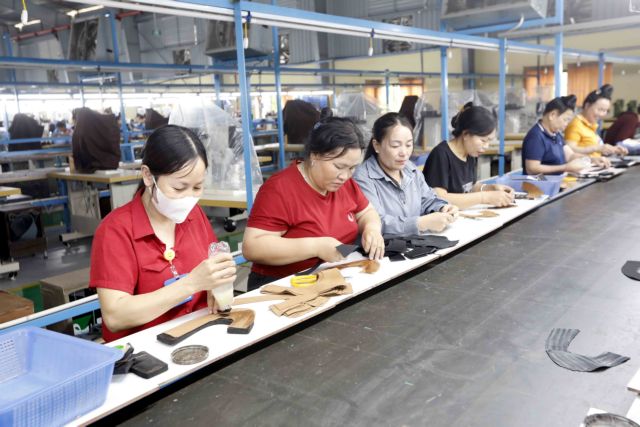
| Workers at a shoe factory in Yên Châu Commune, Sơn La Province. — VNA/VNS Photo Quang Quyết |
HÀ NỘI — Workers are proposing reducing the standard weekly working hours to 40-44 hours and more days off for the National Day holiday, according to Việt Nam General Confederation of Labour (VGCL) Vice President Ngọ Duy Hiểu.
He was presenting workers’ opinions and recommendations submitted to the 14th National Congress of VGCL on Thursday.
The reduction of working hours was recommended based on current socio-economic conditions and the growing emphasis on workers’ quality of life. The current standard weekly working hours are 48.
Meanwhile, more days off for the National Day (September 2) celebration would extend the holiday to September 5, the day when schools across the country traditionally hold the opening ceremony for the new academic year. In this case, more working parents can accompany their children as they enter a new class.
In terms of labour policies, workers called on the NA to undertake a comprehensive revision of the 2019 Labour Code to better respond to changes in the economy and labour market amid the digital transformation, green transition and rapid advancements in science and technology.
To improve the settlement of labour disputes, some participants proposed adding a labour procedure law to the legislative programme of the 16th NA, aiming to establish a more professional, effective mechanism to address this type of dispute.
They also recommended adding provisions on employers’ responsibilities for shift meals, physical and mental healthcare, the prevention of workplace stress and burnout, and the development of flexible working arrangements in the current digital era.

|
| Vice President of the Việt Nam General Confederation of Labour Ngọ Duy Hiểu speaks at the 14th National Congress of the Việt Nam General Confederation of Labour on Tuesday. — VNA/VNS Photo Tuấn Anh |
Amid the rapid development of artificial intelligence, many attendees stressed the need to promptly complete regulations governing workers’ rights and employers’ responsibilities in the adoption of new technologies, while also developing a workforce strategy to improve workers’ adaptability to labour market changes.
Delegates noted that a highly skilled, adaptable workforce would be a key factor in improving labour productivity and enhancing the country’s competitiveness in the future.
Along with institutional reforms, sustainable employment, wages and social welfare remained major concerns for workers. VNS
Society
 Society
 Society
 Society
 Society
 Society
 Society
 Society
 Society
.jpg) Society
Society
 Society
 Society
 Society
 Society
 Society