 Society

Sơn La holds second coffee festival, targeting stronger businesses in future
1.
|
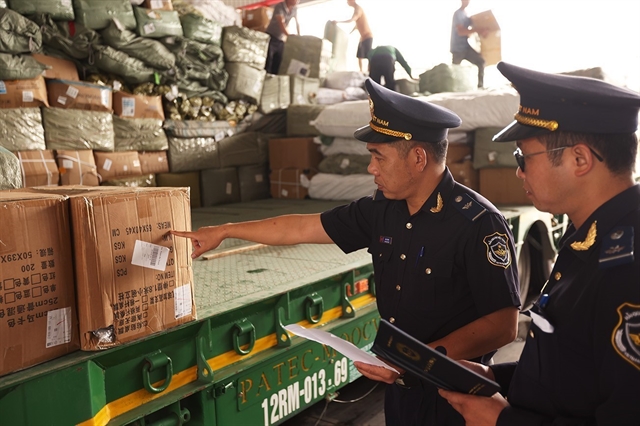
| Customs officers inspect imports at Hữu Nghị International Border Gate in Lạng Sơn Province. — VNA/VNS Photo Vũ Sinh |
HÀ NỘI — Nearly 1,500 criminal cases related to smuggling, trade fraud and counterfeit goods were addressed by authorities in the first four months of 2026, reflecting their strong determination in dealing with this lingering problem.
From January to April 2026, authorities uncovered and handled nearly 44,000 cases related to smuggling, trade fraud and counterfeit goods, while initiating 1,464 criminal cases involving 2,277 suspects, according to the National Steering Committee for Combating Smuggling, Commercial Fraud and Counterfeit Goods (National Steering Committee 389).
The figures underscore both the growing intensity of efforts to address illicit trade and the increasingly decisive response from authorities at both the central and local levels.
Notably, cases involving the trading and transportation of banned and smuggled goods surged by more than 208 per cent year-on-year, while counterfeit goods and intellectual property violations rose over 167 per cent.
Counterfeit products are no longer limited to small-scale operations but have spread across various sectors, from cosmetics, dietary supplements and pharmaceuticals to essential consumer goods, agricultural supplies and products sold online.
While smuggling in the past was often associated with border routes, trails and warehouses, many offenders have now shifted their operations to cyberspace. Livestream sales, e-commerce platforms and express delivery services are increasingly being exploited to distribute counterfeit and untraceable goods at high speed.
In many localities, authorities have expanded inspections beyond traditional markets, warehouses and transport routes to include business activities in the digital environment – an inevitable move as methods of violation continue to evolve rapidly.
Coordination among agencies was also strengthened. Market surveillance forces, police, customs, tax authorities and border guards have simultaneously intensified inspections, shared data and cracked down on large-scale networks showing signs of violations.
The battle against counterfeit and smuggled goods is clearly not just about dealing with isolated cases. It is fundamentally aimed at maintaining market order, protecting consumers, and ensuring a fair competitive environment for legitimate businesses.
In reality, every shipment of fake goods uncovered not only causes losses to the state budget but also erodes consumer confidence. More seriously, counterfeit products directly linked to public health, such as medicines, dietary supplements and cosmetics, may lead to long-term consequences.
As e-commerce continues to expand rapidly, the fight is expected to become even more challenging. However, the handling of nearly 1,500 criminal cases in the first four months of the year sends a clear message from authorities that there will be no exceptions in the crackdown on smuggling, trade fraud and counterfeit goods. — VNA/VNS
Society
 Society
 Society
 Society
 Society
 Society
 Society
 Society
 Society
 Society
 Society
 Society
 Society
 Society
 Society