 Society
PM Hưng meets with Cambodian People's Party, Senate leader Hun Sen
1.
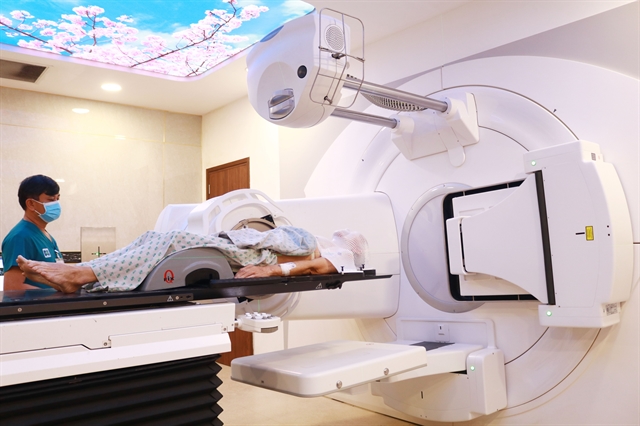 |
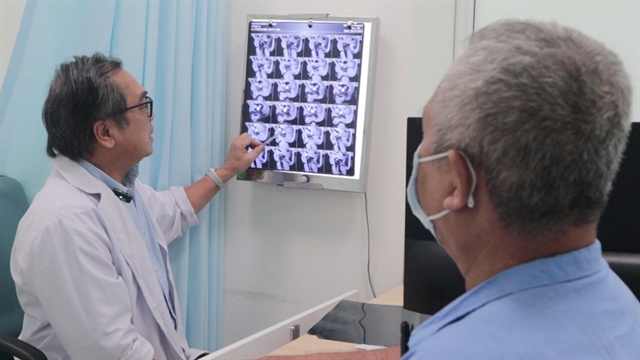
| A modern equipment for cancer diagnosis and treatment.in HCM City Oncology Hospital. — VNA/VNS Photo |
HÀ NỘI — Việt Nam plans to join international clinical trials of mRNA-based cancer vaccines and other next-generation vaccines starting in 2026, in a move aimed at strengthening its capacity in advanced biomedical research and treatment.
The information was shared by Minister of Health Đào Hồng Lan, as the health sector steps up implementation of the Politburo’s Resolution 57 on breakthroughs in science, technology, innovation and national digital transformation.
The sector has identified several strategic technologies that both meet public demand and align with long-term development goals.
Among the priority areas are vaccines and biological products, advanced therapies, and the application of artificial intelligence in healthcare. Việt Nam is expected to collaborate with international partners, including Russia and France, in conducting clinical trials for new-generation vaccines, particularly those using mRNA technology for cancer treatment.
In parallel with research efforts, Việt Nam is accelerating technology transfer to strengthen its domestic vaccine production capacity.
A cooperation agreement is expected between the Ministry of Health, the Tâm Anh General Hospital, and the French pharmaceutical company Sanofi to transfer advanced technologies for producing three types of vaccines in Việt Nam. These include a six-in-one combination vaccine, an influenza vaccine and a meningococcal vaccine, all based on modern French manufacturing technologies.
Beyond vaccines, the health sector is prioritising the development and application of advanced therapies. These include clinical research and efforts to master CAR-T cell therapy, stem cell therapy, being implemented through cooperation with Japan, as well as the use of 3D technology and personalised approaches in orthopaedic trauma treatment.
Artificial intelligence is also being increasingly integrated into medical practice, particularly in next-generation gene sequencing for cancer treatment and prenatal screening.
To support these ambitions, efforts are underway to strengthen high-quality human resources in the medical field. A proposal is being developed to invest in five key medical universities, including Hanoi Medical University, Hanoi University of Pharmacy, the University of Medicine and Pharmacy in HCM City, Cần Thơ University of Medicine and Pharmacy and the Vietnam University of Traditional Medicine.
The plan is expected to be submitted for government approval later in 2026, alongside the rollout of standardised professional competency frameworks across the healthcare sector. — VNS
Society
 Society
 Society
 Society
 Society
 Society
 Society
 Society
 Society
 Society
 Society
 Society
 Society
 Society
 Society