 Politics & Law
Planning strategy gives Hà Nội room to raise stature
1.
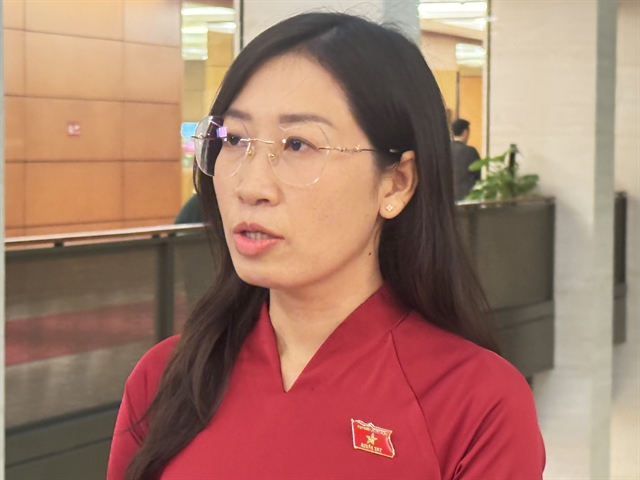 |
| Deputy Hoàng Thị Thanh Thúy of Tây Ninh Province in an interview with Vietnam News Agency. VNA/VNS Photo Hải Ngọc |
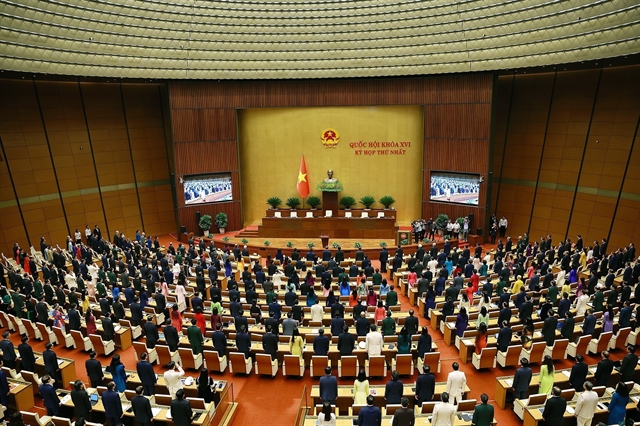
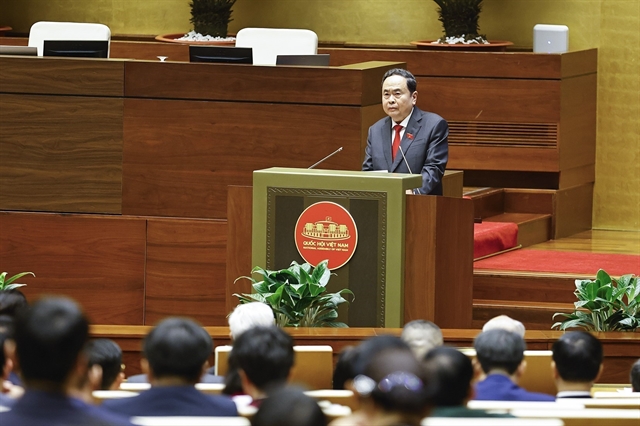
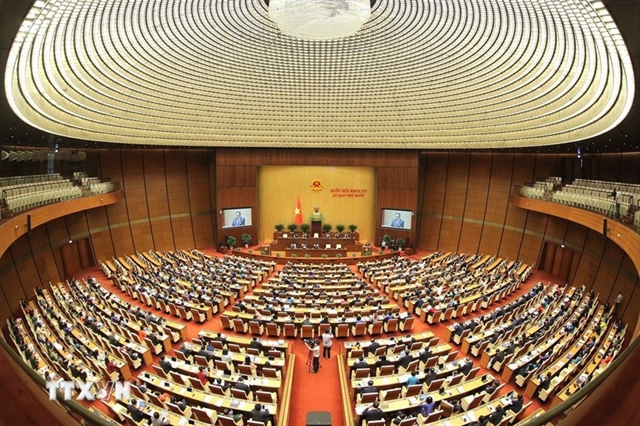
HÀ NỘI — National Assembly (NA) deputies on Monday expressed confidence that the first session of the 16th NA will set a solid foundation for the legislature to fulfil its mandate throughout the new term, contributing to the country’s sustainable development.
Speaking on the sidelines of the session, lawmakers said the meeting would shape the NA’s overall agenda for the entire tenure, particularly in consolidating the State apparatus for the new term to ensure continuity, coherence and efficiency in governance.
Deputy Nguyễn Thị Việt Nga of Hải Phòng City said that, alongside personnel work, the session would review a number of important draft laws and decide on key national issues.
Highlighting what makes this session distinctive, she noted that it takes place immediately after the success of the 14th National Party Congress. This, she said, would enable the NA to promptly and effectively institutionalise the Party’s policies and directions, especially the clear orientations set out in the congress’s resolution.
Nga added that legislative work would begin right away and be carried out continuously and flexibly in response to evolving circumstances. This reflects the NA’s growing professionalism, responsiveness and timeliness, as well as its close coordination with the Government. The legislature, she stressed, remains proactive in adjusting legal frameworks to better serve the people.
She voiced confidence that, with such a strong start and a high sense of responsibility among deputies, the NA would have a successful term.
Sharing a similar view, Deputy Chu Mạnh Hùng of Tây Ninh Province said the opening session of the new tenure carries a heavy agenda, including senior personnel decisions within the State apparatus, as well as socio-economic development plans and national defence and security strategies for the 2026–2031 period.
More importantly, he noted, decisions made at this session would not only have an impact within a single term but would also help shape the country’s long-term development, particularly as Việt Nam moves toward the centennial milestones of the Communist Party and the nation.
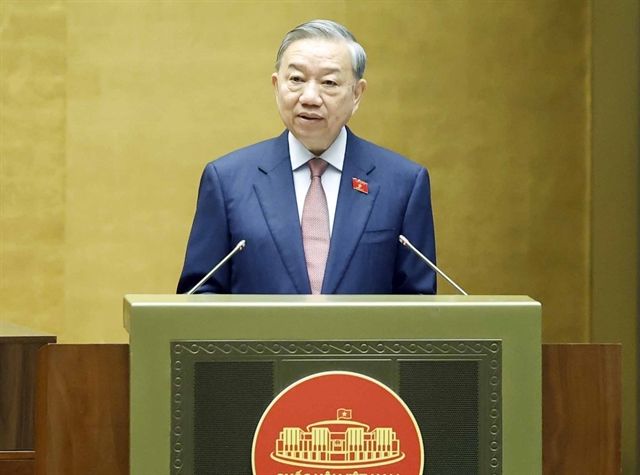
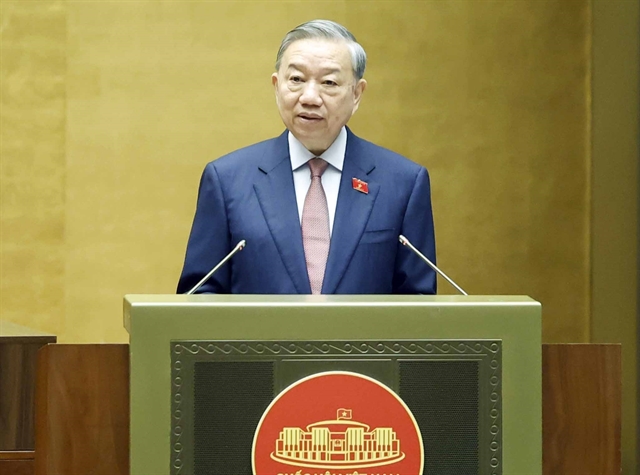
Hùng also highlighted the keynote address delivered at the opening session by Party General Secretary Tô Lâm, which outlined major tasks for the NA. Chief among them, he said, is institutional reform, identified as both a driving force and a foundation for national development in the new era.
To achieve double-digit economic growth, the role of legal institutions becomes even more critical in enabling development, making this a central focus of the NA’s efforts.
Regarding institutional reform, Hùng emphasised the need to further decentralise authority to local governments, particularly under the two-tier local governance model. Strengthening decentralisation from the central level would enable localities to act more proactively and take greater responsibility for their decisions, enhancing flexibility in addressing development challenges and contributing to national progress.
Echoing these views, Deputy Hoàng Thị Thanh Thúy of Tây Ninh Province said the first session features many new elements. Notably, its relatively concise duration despite a substantial workload reflects a more scientific and efficient approach to organising and designing the agenda, programmes and content.
This, she said, demonstrates the NA’s increasing innovation and dynamism in adapting to evolving circumstances.
With such a methodical approach and a strong sense of responsibility among deputies, she expressed confidence that the session would be a success and make meaningful contributions to the country’s overall development. — VNS
Politics & Law
 Politics & Law
 Politics & Law
 Politics & Law
 Politics & Law
 Politics & Law
 Politics & Law
 Politics & Law
 Politics & Law
 Politics & Law
 Politics & Law
 Politics & Law
 Politics & Law
 Politics & Law
 Politics & Law