 Politics & Law
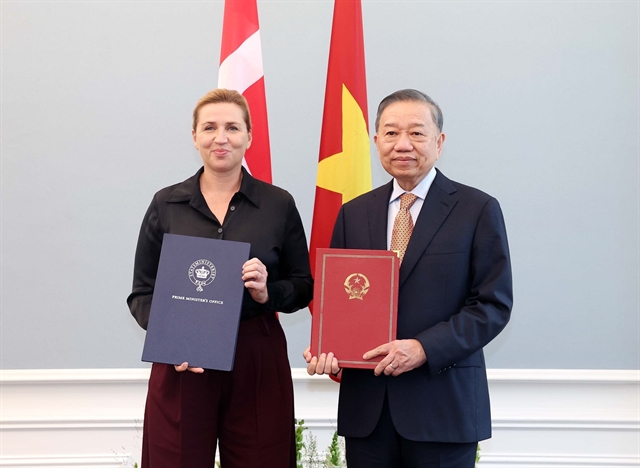
Việt Nam, Denmark elevate ties to Comprehensive Strategic Partnership
1.
|
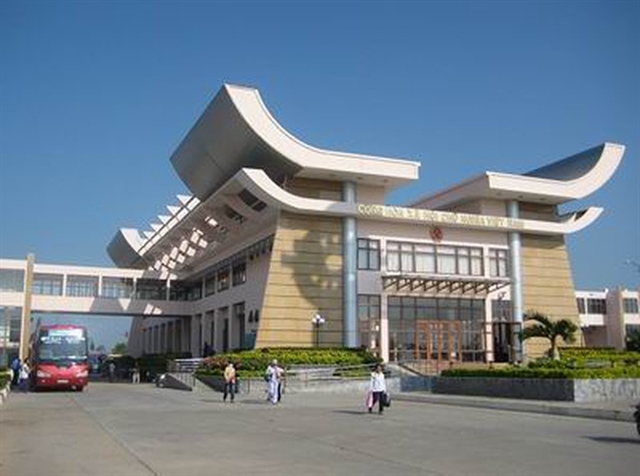
| Mộc Bài Bordergate in the Tây Ninh Province. VGP Photo |
HÀ NỘI — Việt Nam and Cambodia are stepping up cross-border trade and investment with new plans to modernise border-gate infrastructure and promote connectivity, officials said at the Border Trade Connectivity Forum in Tịnh Biên Ward, An Giang Province, on December 10.
The two countries share a 1,137-kilometre land border running through eight Vietnamese provinces and nine Cambodian provinces. The network of border gates along this corridor forms a critical foundation for cross-border trade and creates favourable conditions for the movement of goods.
Under Decision 1200/QĐ-TTg issued in 2023 on the planning of border gates along the Việt Nam–Cambodia frontier for 2021–2030, with a vision to 2050, the Government targets fully integrated border-gate zones by 2030. These zones are expected to combine trade, logistics, tourism and essential services to maximise the economic value of the border region, strengthen cultural and social exchange and ensure smooth circulation of goods.
In the first nine months of 2025, import-export turnover through land border gates reached US$5.9 billion, up 15.5 per cent year-on-year. Việt Nam’s trade with Cambodia through these gates totalled $5.83 billion, a 16.6 per cent increase. Việt Nam’s main exports included textiles, steel and seafood, while imports from Cambodia consisted primarily of rubber, cashew nuts and other agricultural goods. Although the commodity structures complement each other, seasonal trade imbalances remain a risk.
The Ministry has set a target to lift bilateral trade to $20 billion by 2030. Priorities include improving trade quality, diversifying product groups and upgrading logistics infrastructure. By 2027, all border-gate warehouses are expected to meet storage standards, with 80 per cent providing full logistics services and linking effectively with domestic supply chains.
According to Vũ Thị Minh Ngọc, Head of the Domestic Market Infrastructure Division, recent bilateral agreements, including the 2019 Memorandum of Understanding on border trade infrastructure, the 2024 Border Trade Agreement and the 2025–2026 trade promotion plan, have created a comprehensive legal corridor. These agreements have enabled provinces such as Tây Ninh, An Giang, Đồng Tháp and Gia Lai to accelerate planning for border-gate infrastructure, markets, warehouses and logistics centres.
Ms Ngọc noted that cooperation mechanisms are advancing the adoption of digital border-gate models and one-stop, one-halt procedures, reducing clearance times and increasing cargo throughput on key economic corridors like Mộc Bài–Phnom Penh, Tịnh Biên–Takeo and Hà Tiên–Kep. Several provinces have already integrated logistics centres, bonded warehouses and commercial facilities into development plans to attract private-sector investment.
Looking ahead to 2030, the Ministry will prioritise modernising trade infrastructure at key international border gates, including Bình Hiệp and Mộc Bài in Tây Ninh; Hà Tiên–Giang Thành and Tịnh Biên–Vĩnh Xương in An Giang; Thường Phước–Dinh Bà in Đồng Tháp; Hoa Lư in Bình Phước; and Lệ Thanh in Gia Lai. The Ministry will also standardise border markets and commercial centres, expand smart border-gate models and enhance electronic customs systems to reduce clearance times and logistics costs. — VNS
Politics & Law
 Politics & Law
 Politics & Law
 Politics & Law
 Politics & Law
 Politics & Law
 Politics & Law
 Politics & Law
 Politics & Law
 Politics & Law
 Politics & Law
 Politics & Law
 Politics & Law
 Politics & Law
 Politics & Law