SBV to curb property price inflation, enforce lending rate rules
1.
|
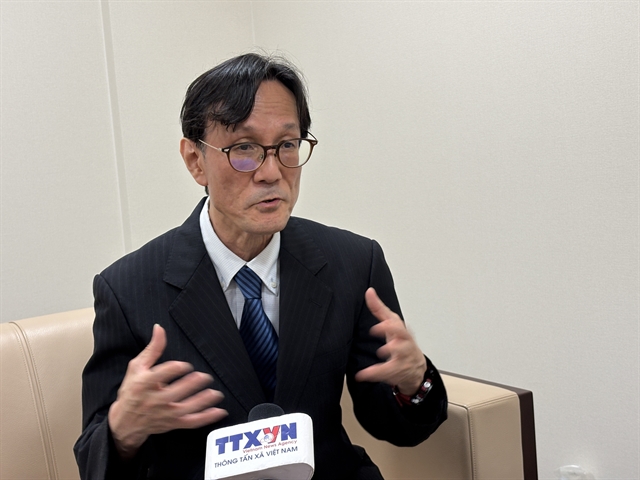
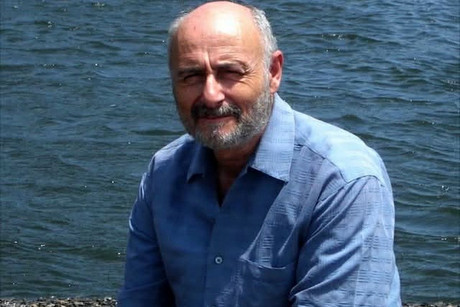
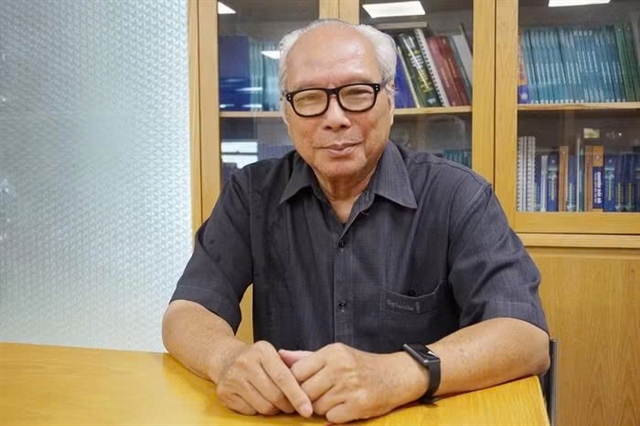
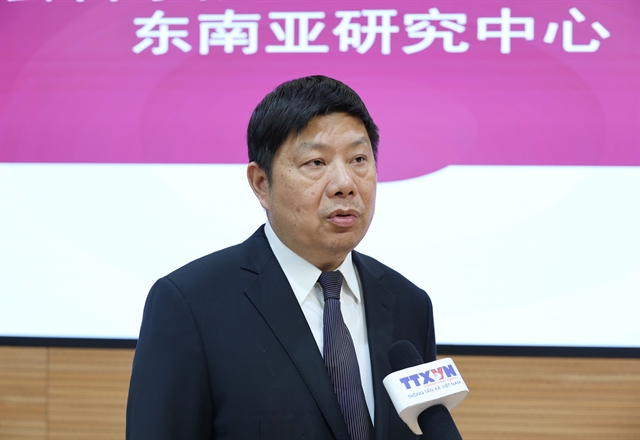
| Professor Shimizu Masaaki of the University of Osaka. — VNA/VNS Photo |
TOKYO — President Hồ Chí Minh’s journey to seek a path for national salvation starting on June 5, 1911 was not only a turning point in Việt Nam’s modern history but also a symbol of global interaction and exchange in Asia in the early 20th century, according to Professor Shimizu Masaaki of the University of Osaka.
On June 5, 1911, the young Nguyễn Tất Thành, who later became President Hồ Chí Minh, boarded the vessel Latouche-Treville at Nhà Rồng Wharf and departed Việt Nam in search of a path to liberate the nation. During his 30-year odyssey across continents, he identified a road to national liberation, ultimately leading Việt Nam to independence, freedom, national reunification and the path towards socialism.
Speaking to the Vietnam News Agency (VNA) correspondent in Japan on the occasion of the 115th anniversary of the late leader’s departure, Shimizu highlighted the broader historical significance of the event.
According to the professor, one remarkable aspect of President Hồ Chí Minh’s journey was that under the name Nguyễn Tất Thành at the time, he engaged with the world not simply as a citizen of a colonised nation, but through direct transnational experiences.
His observations of Western societies, colonised territories and international labour movements helped shape a global vision that was rare among Asian figures of that period, Shimizu said.
From the perspective of ideological history and international exchanges, he noted that the deeper significance of the 1911 departure lies in the recognition that modernisation and national liberation are inseparable from learning from the world through practical experience and international dialogue.
Discussing the relevance of Hồ Chí Minh’s journey to today’s younger generations in Việt Nam and Japan, the scholar underscored the enduring lesson of “going out into the world to better understand one’s own country.”
In the context of globalisation, studying abroad and participating in international exchanges should not be limited to acquiring foreign languages or technical knowledge, he said. More importantly, such experiences enable people to engage in dialogue with other cultures and reflect more deeply on their own societies.
The professor expressed his hope that young people from Việt Nam and Japan will promote new forms of cooperation not only in economic fields but also in education, multilingualism, migration and models of social coexistence.
Regarding perceptions of President Hồ Chí Minh in Japan, Shimizu said that within the academic circle, the Vietnamese leader is increasingly viewed not only as a revolutionary and political leader but also as an intellectual of international stature closely associated with East – West exchanges.
Many scholars, he noted, are interested in Hồ Chí Minh’s ability to absorb diverse cultural influences, his linguistic skills and his international outlook. As a result, perceptions of the late Vietnamese leader in Japan have become more multidimensional than in the past.
However, the scholar pointed out that public understanding of Vietnamese history in Japan remains relatively limited. He therefore stressed the importance of further strengthening academic exchanges and educational cooperation between the two countries. — VNA/VNS
 Opinion
 Opinion
 Opinion
.jpg) Opinion
Opinion
 Opinion
 Opinion
 Opinion
 Opinion
 Opinion
 Opinion
 Opinion
 Opinion
 Opinion
 Opinion