 Opinion
University of Economics HCM City hosts international student research conference
1.
|
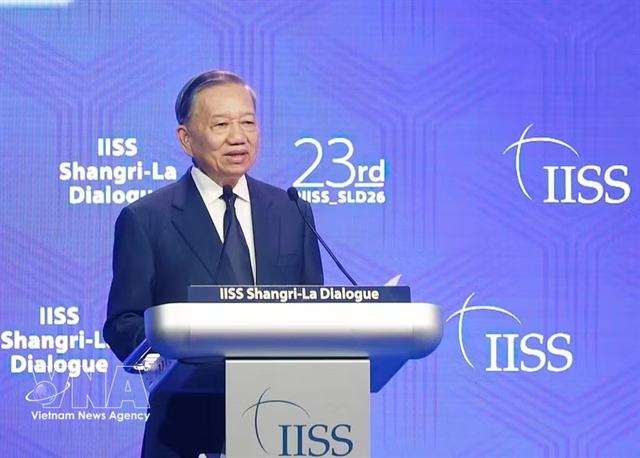
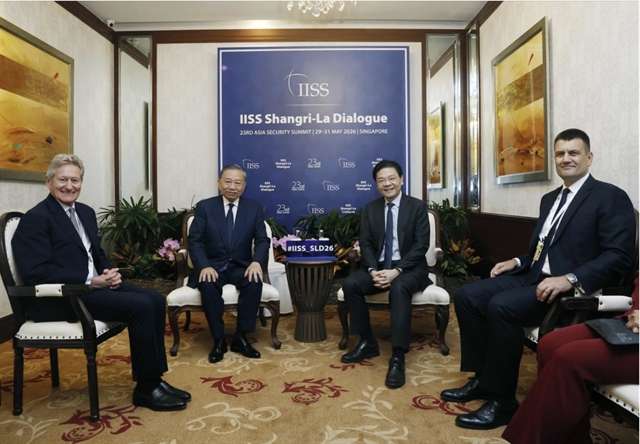
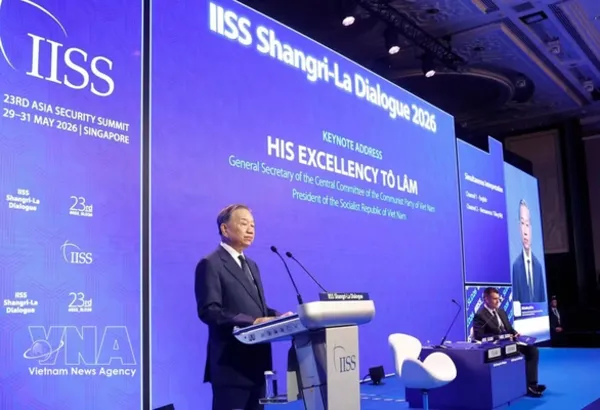
| Party General Secretary and State President Tô Lâm delivers his keynote address at the 23rd Shangri-la Dialogue in Singapore on May 29. — VNA/VNS Photo |
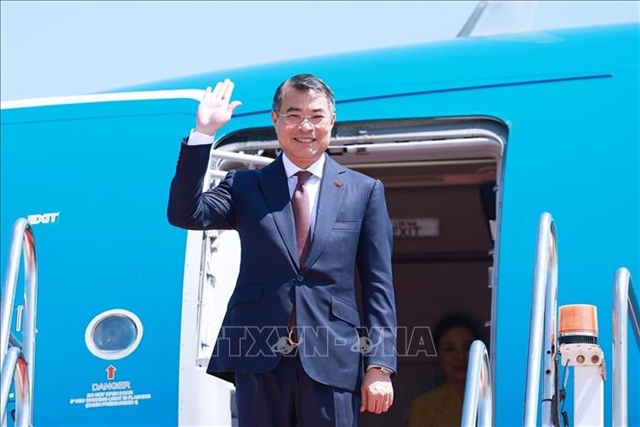
HÀ NỘI – Party General Secretary and State President Tô Lâm’s recent tour of three ASEAN member states and his keynote address at the 23rd Shangri-la Dialogue in Singapore demonstrated the strategic stature of Việt Nam’s increasingly proactive and constructive diplomacy amid a rapidly evolving regional and global landscape, according to a Vietnamese scholar.
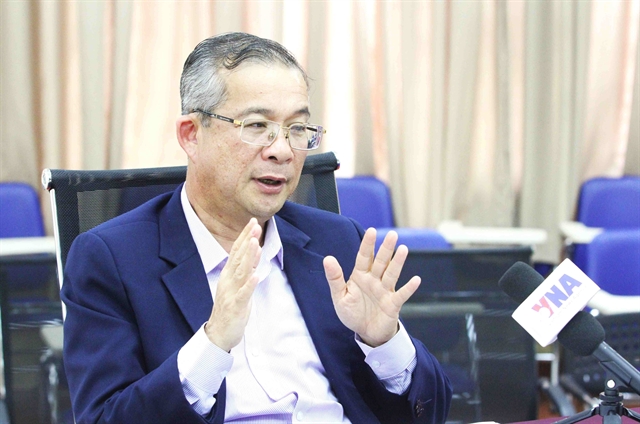
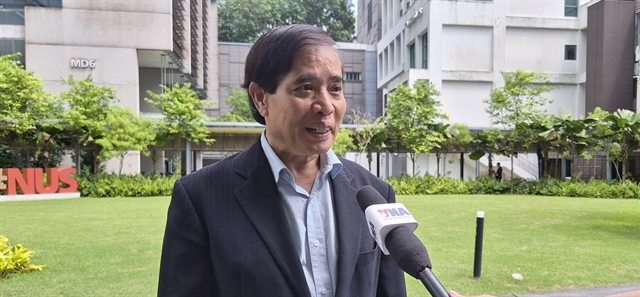
Talking to the Vietnam News Agency, Dr Đào Ngọc Báu, director of the Institute of Politics and International Relations under the Hồ Chí Minh National Academy of Politics, said the leader’s visits to Thailand, Singapore and the Philippines from May 27 to June 1 carried significance well beyond a series of bilateral engagements.
He noted that the trips took place at a time when the post-Cold War international order was undergoing profound restructuring. In that context, the high-level visits reflected Việt Nam’s transition from merely adapting to external developments toward actively shaping the strategic environment.
Bau went on to say that the timing of the tour, undertaken during the early months of General Secretary and President Lâm’s tenure, sent a clear strategic signal about Việt Nam’s foreign policy priorities. He said the decision to place ASEAN and relations with neighbouring countries at the forefront of diplomatic activities underscored the importance Vietnam attaches to regional cooperation and solidarity.
The scholar observed that the visits came against the backdrop of what the Vietnamese leader had identified as three interrelated global crises: a crisis of the international order, a crisis of development models, and a crisis of strategic trust.
Against such a backdrop, Việt Nam’s diplomatic outreach was not merely reactive but also constructive in nature. Rather than waiting for a more stable strategic environment to emerge, it is actively participating in shaping that environment by strengthening key pillars of regional stability, Báu said, adding that within ASEAN, Thailand, Singapore and the Philippines serve as these important pillars.
He further pointed out that the selection of Thailand, Singapore and the Philippines as destinations of the visits reflected a carefully considered diplomatic strategy. In his view, the three countries represent distinct yet complementary dimensions of ASEAN’s architecture. Thailand holds a key geopolitical position in mainland Southeast Asia and serves as a link between ASEAN and the Mekong sub-region; Singapore is a strategic financial, technological and maritime transportation hub; while the Philippines occupies an important position in regional maritime security and relations with major powers.
The choice of destinations, the expert assessed, illustrated Việt Nam’s commitment to maintaining balanced, multidimensional and multi-layered relations with all partners, thus contributing to a balanced and sustainable regional order.
Regarding Việt Nam’s message on ASEAN centrality, Bau said the concept should be understood not merely as a formal position but as ASEAN’s practical ability to shape regional norms, coordinate interests and maintain strategic autonomy amid intensifying competition among major powers.
He noted that the top leader emphasised the need to build an open and inclusive regional architecture with ASEAN at its centre. Such an approach, he explained, reflects Việt Nam’s belief that small- and medium-sized countries can play an active role in shaping regional order through multilateral cooperation rather than remaining passive actors.
The scholar added that ASEAN resilience should be viewed as both the capacity to withstand external shocks and the ability to innovate and adapt to changing strategic circumstances.
Báu assessed that the Vietnamese leader’s ASEAN tour strengthened not only Việt Nam's ties with individual member states but also ASEAN’s collective strength and central role in the regional security architecture.
According to the expert, the trips represented a harmonious combination of national interests and regional responsibilities while reaffirming Việt Nam’s foreign policy of independence and self-reliance and its enduring commitment to multilateral cooperation. — VNA/VNS
Opinion
 Opinion
 Opinion
 Opinion
 Opinion
 Opinion
 Opinion
 Opinion
 Opinion
 Opinion
 Opinion
 Opinion
 Opinion
 Opinion
 Opinion