 Opinion
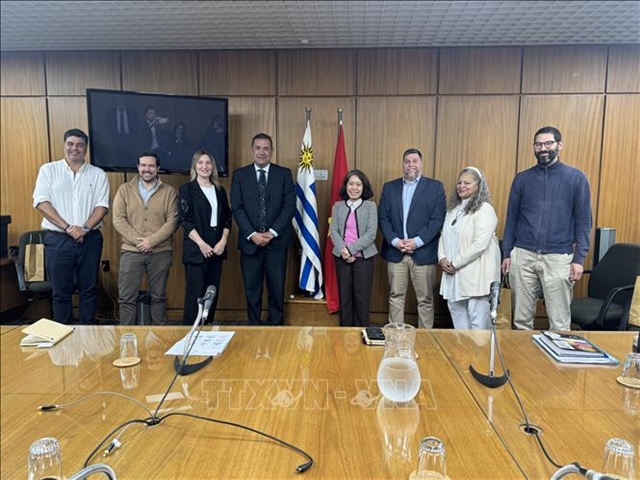
Việt Nam fosters comprehensive cooperation with Uruguay
1.
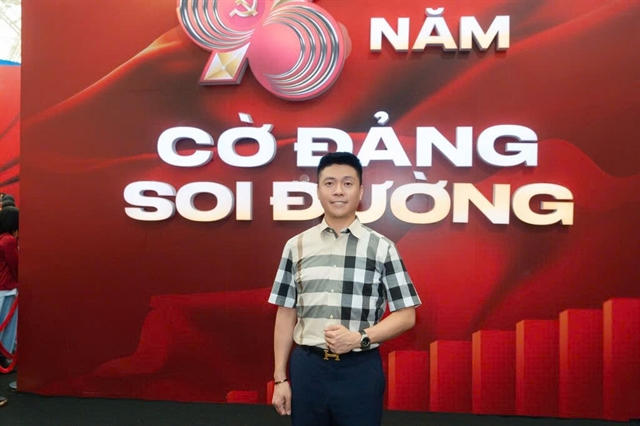 |
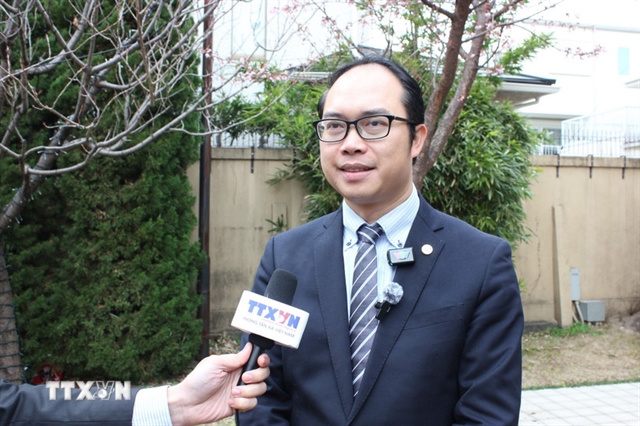
| General Secretary of the Global Network for Vietnamese Language and Culture Teaching, and Head of the Vietnamese Association in Fukuoka City, Japan, Nguyễn Duy Anh. Photo courtesy of Nguyễn Duy Anh |
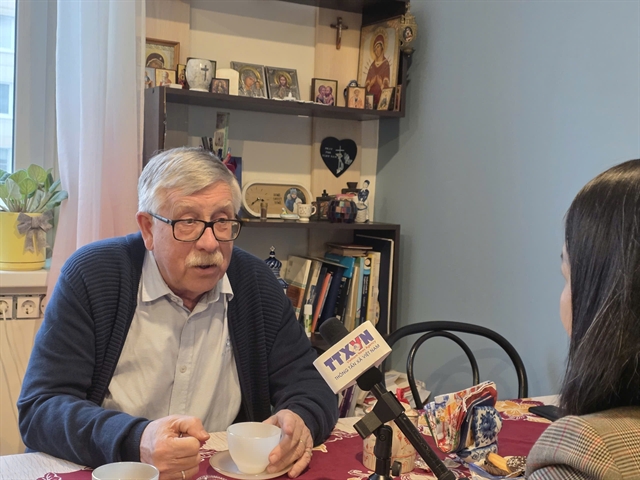
Nguyễn Duy Anh, member of the Vietnam Fatherland Front Central Committee, general secretary of the Global Network for Vietnamese Language and Culture Teaching, and head of the Vietnamese Association in Fukuoka City, Japan spoke to Việt Nam News reporter Nguyễn Khánh Chi about his views and expectations on development in the era of the nation's rise following the 14th National Party Congress.
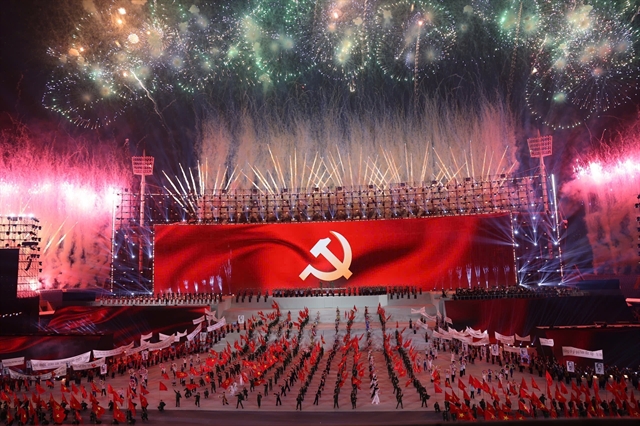
How do you view the significance of the 14th National Congress of the Communist Party of Việt Nam, considering it is not merely a routine political event but the moment the country enters a new era, called the era of the nation’s rise?
For me, the 14th National Party Congress holds very special significance, because it is not only a cyclical political milestone, but also the moment to establish a vision for a new stage of national development. After nearly 40 years of Đổi mới (Renewal), and especially with the achievements of the 13th National Party Congress term, Việt Nam now faces a requirement to shift from extensive growth to development based on quality, science and technology, innovation and workers.
As far as I’m concerned, the designation of the 'era of the nation’s rise' reflects a very clear aspiration: Việt Nam is not only striving to move beyond the group of developing countries, but also aiming for the position of a competitive nation with a stronger voice and growing prestige in the region and on the international stage. The 14th Party Congress thus does not merely set goals, but also lays the foundation for how Việt Nam will advance in this new era—more confident, more proactive and more deeply integrated.
As a young Vietnamese person living abroad, what is your perspective on Việt Nam's resilience during the 13th National Party Congress term and its current international standing?
Although I live and work abroad, I still regularly follow developments at home, because for Vietnamese people far from their homeland, the country’s progress always feels very close.
Looking back over the past five years, I truly sense Việt Nam’s strong momentum and remarkable adaptability, especially amid upheavals seen all over the world.
Việt Nam not only overcame the difficult period of the pandemic, but also gradually recovered and maintained socio-economic stability while expanding foreign relations and elevating strategic cooperation with many major countries. In my host country, I see Việt Nam’s image increasingly mentioned with respect and goodwill: as a dynamic economy, a reliable partner, a peace-loving and responsible nation.
Việt Nam’s international standing and prestige have been significantly enhanced, and that makes young people like me feel proud, while also realising that our responsibility is greater.
What do you expect for Việt Nam’s next stage of development and the Party’s leadership role in achieving the goals set for 2030–2045?
Both I personally, and many Vietnamese living abroad, place great expectations on the leadership role of the Party in guiding the nation into a higher stage of development. The goals set for 2030 and the vision for 2045 are not merely numbers, but the shared aspirations of the entire people.
Overseas Vietnamese hope that Việt Nam will continue to maintain political stability and pursue sustainable economic growth, while also advancing science and technology, fostering innovation, promoting digital transformation and improving the quality of the workforce. We wish to see a Việt Nam that not only grows rapidly, but grows intelligently, sustainably and inclusively.
In my view, the role of the Party in the next few years is to continue building trust, inspiring aspirations and creating space for all resources, both domestic and abroad, to join together in this journey of development.
In what ways have you and the local Vietnamese community been contributing to the homeland and building a positive profile for Vietnamese people in your host country?
The contributions of overseas Vietnamese may not always be immediately visible, but they are highly practical and persistent. Personally, I strive to study and work seriously, comply with local laws and build an image of a Vietnamese person who is hardworking, competent and reliable. That, in itself, is a form of contribution.
At the community level, overseas Vietnamese participate in connecting economics, education and culture, helping Vietnamese businesses access foreign markets while promoting our culture, language, cuisine and people. Many also directly transfer knowledge and international experience, supporting start-ups, science and technology and charitable activities aimed toward the homeland.
For myself and many other overseas Vietnamese, we believe that contributing to the country is not just about large-scale activities, but begins with preserving Vietnamese identity, language and culture within our own community. One of the most specific and enduring contributions we are currently making is the development and operation of the Global Network for Vietnamese Language and Culture Teaching.
This network connects community classes, teachers, volunteers and Vietnamese associations across many countries with the shared goal of ensuring that the Vietnamese language continues to be used, loved and passed down to younger generations born and raised abroad. By sharing curricula and teaching methods, organising pedagogical training and gradually digitising learning materials, the network ensures that Vietnamese language classes, even in remote areas, are not isolated or lacking in resources.
Beyond its educational value, the network also helps elevate the standing of the Vietnamese community in their host countries. When a community is united, organised, actively preserves its culture and engages in cultural exchanges, the image of Vietnamese people is seen as well-integrated, responsible and rich in identity. This is the most sustainable and persuasive way that overseas Vietnamese are promoting the image of our country and people.
It is these specific, daily actions that enhance the prestige and position of the Vietnamese community in their host countries, while simultaneously creating a bridge of friendship between Việt Nam and the world.
What are your expectations for diaspora-related policies to create more favourable conditions for contributing to the country’s peace, development and prosperity?
What I and many other overseas Vietnamese desire most is for policies to become increasingly open, flexible and substantive, especially in creating conditions that allow us to contribute according to our specific expertise and capabilities.
Specifically, I hope for more favourable mechanisms to encourage overseas Vietnamese to participate in science and technology, innovation, education and international integration. This requires clear and transparent procedures, a professional working environment and respect for genuine merit. Additionally, it is crucial to strengthen information channels and digital platforms so that the diaspora can easily access policies, connect with projects and contribute remotely.
When overseas Vietnamese feel a sense of trust, partnership and empowerment from within the country, joining hands to contribute to the peace, development and prosperity of the homeland will become a natural and long-term aspiration. VNS
Opinion
 Opinion
.jpg) Opinion
Opinion
 Opinion
 Opinion
 Opinion
 Opinion
 Opinion
 Opinion
 Opinion
 Opinion
 Opinion
 Opinion
 Opinion
 Opinion