 Opinion

Private conglomerates expand economic contributions through jobs, taxes and investments
1.
|
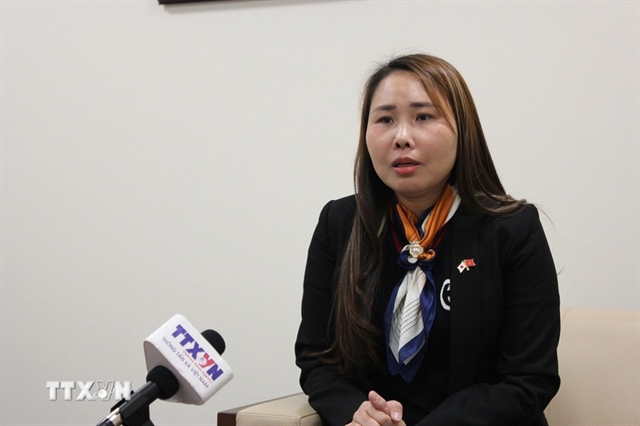
| Lê Thương, Chairwoman of the Vietnamese Association in Japan’s Kansai region, speaks to Vietnam News Agency. – VNA/VNS Photo |
TOKYO – Positive reforms in Việt Nam’s institutions, economic development policies and international integration have strengthened confidence among overseas Vietnamese (OVs), said Lê Thương, Chairwoman of the Vietnamese Association in Japan’s Kansai region.
Speaking to a Vietnam News Agency (VNA) correspondent in Japan, Thương noted that the Party and State have continuously expanded forums, information channels and consultation mechanisms, creating conditions for overseas Vietnamese to take part in shaping major national guidelines and policies.
She said the practice of soliciting and listening to OV opinions on Party resolutions, draft Congress documents and major policy orientations reflects a strong spirit of democracy and openness. It also demonstrates that the Party and State consistently regard overseas Vietnamese as an inseparable part of the nation and a key resource in national development. These efforts reaffirm a consistent approach: wherever they live, Vietnamese people have a voice, a responsibility and the right to contribute to the country’s shared future.
Thương said the OVs in the region show strong interest in and active support for major Party and State policies, particularly consultation rounds closely linked to national development directions and the legitimate rights and interests of the people.
The OVs in Kansai actively engage in trade promotion, helping connect Vietnamese businesses with the Japanese market, promoting Vietnamese products, and sharing experience in business practices, market access and international standards. These activities provide practical contributions to boosting exports, attracting investment and enhancing the competitiveness of Vietnamese goods.
According to Thương, the Kansai Vietnamese community also places strong emphasis on preserving and promoting the Vietnamese language among younger generations. Through Vietnamese-language classes, community-based education models, extracurricular activities and cultural programmes linked to the language, overseas Vietnamese help safeguard national identity while fostering a sense of attachment to the homeland among children born and raised abroad.
The association regularly co-organises cultural and community events such as Lunar New Year celebrations, photo exhibitions, art performances and Việt Nam–Japan cultural exchanges. These activities not only meet the community’s cultural needs but also help promote the image of Việt Nam and its people to local authorities and residents, contributing to greater mutual understanding and friendship.
Beyond policy input, the OVs also seek to contribute through concrete actions, including sharing knowledge and professional expertise; mobilising investment, science and technology resources; promoting Vietnam’s image and culture internationally; and participating in social, educational and humanitarian activities in support of the homeland. They demonstrate a strong sense of responsibility and hope their contributions will be reflected in policies aligned with practical realities.
Many Vietnamese individuals and businesses in Kansai, Thương added, are keen to make long-term investments and transfer knowledge, technology, management experience and resources to Việt Nam, contributing directly to the country’s socio-economic development.
Practical activities across economic, cultural, educational and external affairs have further highlighted the role of overseas Vietnamese as an important resource in Việt Nam’s development and international integration.
To ensure OV contributions remain constructive and effective, Thương said coordinated efforts are needed from both sides. The State should continue refining mechanisms for receiving, responding to and effectively utilising OV input, while strengthening transparent, timely two-way information flows. For the OVs, individuals and organisations should enhance their sense of responsibility, provide feedback in a constructive and objective manner guided by national interests, and engage in homeland-oriented activities through practical actions suited to their capacities and circumstances. – VNA/VNS
Opinion
.jpg) Opinion
Opinion
 Opinion
 Opinion
 Opinion
 Opinion
 Opinion
 Opinion
 Opinion
 Opinion
 Opinion
 Opinion
 Opinion
 Opinion
 Opinion