 Life & Style

Việt Nam's top leader sends condolences to Spain over deadly train accident
1.
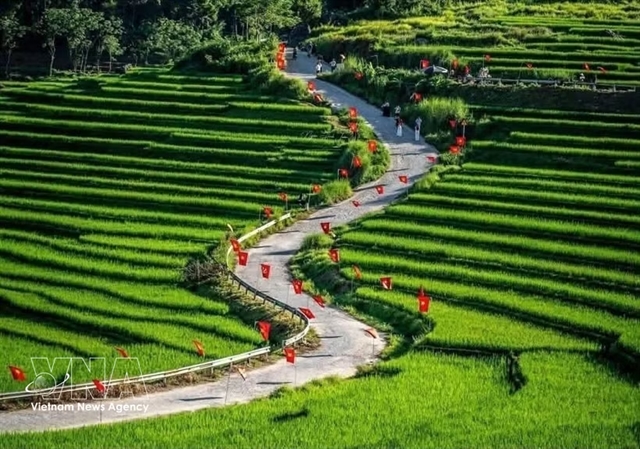 |
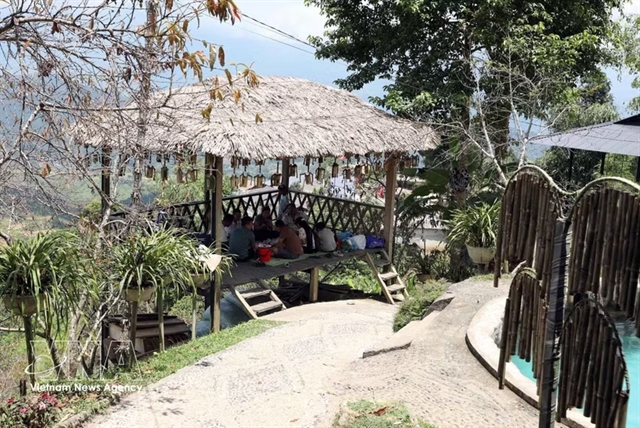
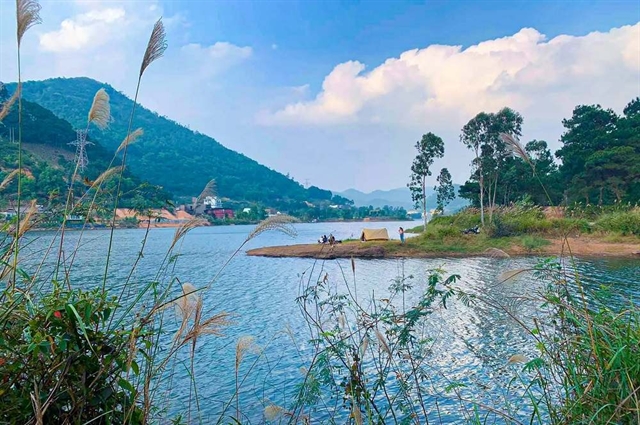
| Pù Luông community-based ecotourism site in Thanh Hóa Province attracts visitors during National Day holiday. — VNA/VNS Photo |
HÀ NỘI — To make a breakthrough in tourism development, Việt Nam needs to position promotion and marketing as a leading driver of market expansion and brand enhancement, according to insiders.
Amid intensifying global competition among destinations, promotional activities must become more focused and in-depth, and stronger partnerships leveraged to raise the profile of Vietnamese tourism internationally.
New models and approaches
Việt Nam’s tourism sector has recorded encouraging results in recent years. According to the Việt Nam National Authority of Tourism, the country welcomed an estimated 17.7 million international visitors in the first nine months of 2026, up 14.5 per cent year-on-year and equivalent to 70.7 per cent of its annual target. Domestic tourist arrivals reached approximately 126 million, up 5.8 per cent and fulfilling 84 per cent of the yearly plan. Total tourism revenue was estimated at VNĐ874 trillion (US$33.8 billion), a year-on-year increase of 10 per cent.
Notably, the World Economic Forum’s Travel and Tourism Development Index (TTDI) 2026 report, released in late September, ranked Việt Nam second globally in terms of improvement in the index. At the 2026 World Travel Awards, Việt Nam was named Asia’s Leading Destination for the eighth time and Asia’s Leading Heritage Destination for the fourth time. These achievements reflect the country’s growing tourism appeal and stronger national tourism brand recognition. Alongside product diversification, infrastructure improvements, more favourable visa policies and enhanced service capacity, tourism promotion has played an important role in these gains.
The sector has adopted new approaches to attracting visitors, including appointing tourism ambassadors, promoting destinations through cinema and developing digital marketing ecosystems. Campaigns have targeted promising markets such as Japan, India, Russia, Australia and the United Arab Emirates through tourism fairs, festivals and international cultural and culinary events.
However, as global competition intensifies and traveller preferences evolve, promotion should move beyond broad-based brand awareness towards more in-depth engagement with target markets, specific products and clearly identified distribution partners, with the goal of converting promotional activities into actual bookings and revenue.
Joining forces to promote tourism
Despite recent progress, coordination among central agencies, local authorities and businesses remains inconsistent. Funding for promotion is also limited and lacks long-term stability, constraining campaign scale, reach and professionalism and leaving Việt Nam’s tourism image insufficiently consistent.
Resolution No 26-NQ/TW of the Politburo on developing tourism into a spearhead economic sector in the new era calls for a national tourism promotion programme with a unified and professional message. Tourism marketing should be integrated with efforts to promote the country’s image, investment and trade environment, cultural identity, heritage and people. The State should coordinate national destination promotion campaigns and work alongside major businesses in international promotion.
Nguyễn Quốc Kỳ, chairman of Vietravel’s Board of Directors, said Việt Nam has many attractive destinations but has yet to build a strong, recognisable national tourism brand in international markets. The country should move beyond promoting individual destinations to developing a consistent, modern brand capable of creating an emotional connection with travellers. This requires sustained, continuous and targeted promotion under a shared strategy involving the State, localities and major businesses.
In the digital era, Việt Nam should make greater use of data, artificial intelligence, digital platforms, content creators and international partner networks to reach the right markets and customer segments, he added.
Nguyễn Anh Tuấn, director of the Institute of Tourism Economics, said Việt Nam should identify priority markets for 2026-30, distinguishing short-term core markets, expansion markets and those requiring longer-term preparation. Each market should have tailored messages, flagship products, distribution partners, promotional plans and performance indicators.
Follow-up is equally important. After each tourism fair, roadshow, familiarisation trip or forum, organisers should establish contact lists, identify product groups, schedule follow-up meetings and assign responsibilities. Promotion must translate into bookable products and sufficient capacity among businesses to serve the markets being targeted. — VNA/VNS
Life & Style
 Life & Style
 Life & Style
 Life & Style
 Life & Style
 Life & Style
 Life & Style
 Life & Style
 Life & Style
 Life & Style
 Life & Style
 Life & Style
 Life & Style
 Life & Style
 Life & Style