 Life & Style
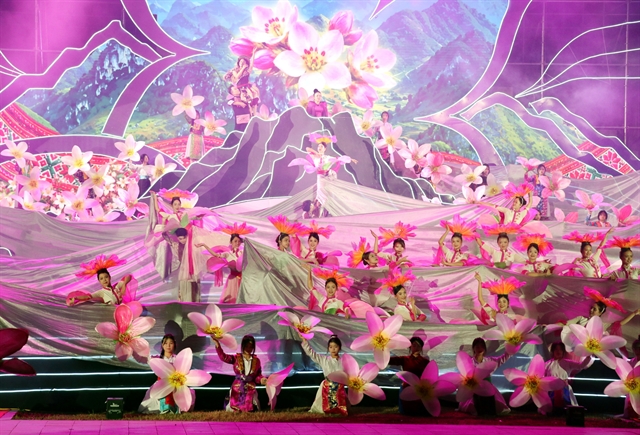
Buckwheat flower festival opens in Tuyên Quang, celebrating cultural heritage of northern mountains
1.
|
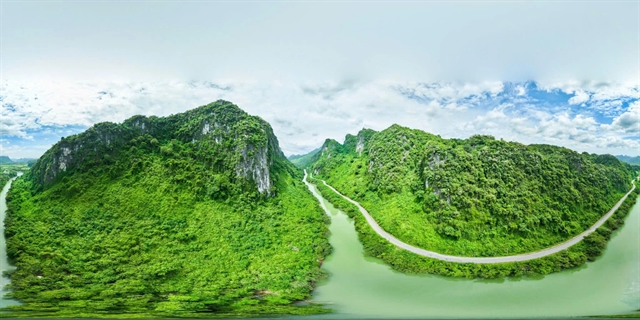
| An aerial view of Phong Nha-Kẻ Bàng National Park. Its spectacular natural landscapes are among Quảng Trị's greatest tourism assets. — VNS Photo Ngô Trần Hải An |
Precede: Following its merger with Quảng Bình, Quảng Trị is looking to build on its remarkable natural wonders and rich wartime heritage to attract local and international tourists. Đặng Đông Hà, deputy director of the provincial Department of Culture, Sports and Tourism, outlines the province's vision for tourism development.
-----------
Inner Sanctum: How do you assess Quảng Trị's tourism potential? What makes Quảng Trị distinct from other localities?
Quảng Trị is widely recognised for its tourism development potential and advantages, particularly its tourism resources, which encompass both natural and cultural landscapes.
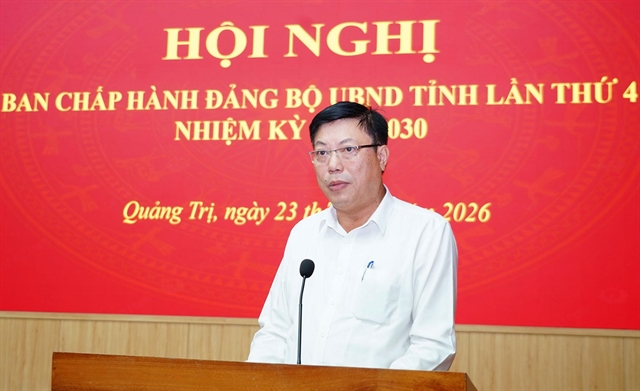
|
| Đặng Đông Hà, deputy director of the Quảng Trị Department of Culture, Sports and Tourism. — Photo quangtri.gov.vn |
The province boasts rich and diverse natural tourism resources, notably a magnificent cave system that has earned it the title of "Kingdom of Caves".
It also has unique cultural and historical value reflected in its heritage sites and prominent landmarks associated with memories of wartime resistance and aspirations for peace.
Our tourism assets lie in the province's historical continuity, making Quảng Trị a distinctive destination defined by magnificent natural landscapes and a heroic legacy.
Inner Sanctum: Quảng Trị is a significant historical landmark in central Việt Nam, preserving numerous relic sites associated with the nation's resistance wars. What are the plans to develop tourism products based on these historical sites?
Quảng Trị is a special land where each historical site is linked to profound stories and memories of the struggle for independence and national reunification.
These sites are important resources for tourism development, especially cultural experiences, historical tourism, heritage-focused travel and tourism centred on memory and remembrance.
In the future, we will focus on connecting heritage sites into journeys with cohesive storylines and overarching themes. For prominent sites such as the Quảng Trị Ancient Citadel, Hiền Lương Bridge–Bến Hải River, Vịnh Mốc Tunnels and the Trường Sơn War Martyrs Cemetery, we will develop tours such as "Tracing Quảng Trị’s Memories", "Journey for Peace" and "Following the Footsteps of Soldiers".
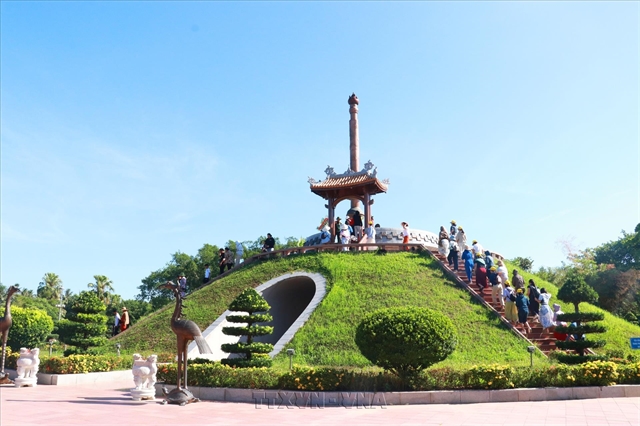
|
| The Quảng Trị Ancient Citadel. The province's historical sites are among its major attractions for domestic and international visitors. — VNA/VNS Photo |
At these sites, people will be able to learn about the war, people's sacrifices, aspirations for reunification and the value of peace.
The way we tell stories is also changing. In addition to traditional tour narratives, we are using technologies including digital tourism maps, multilingual automated narration, QR codes, 3D technology and virtual reality, enabling visitors to explore and interact with heritage more actively.
It is also essential to organise a variety of activities such as cultural and artistic events, experiential programmes, historical education and nighttime shows, and to recreate the atmosphere of historical periods.
We believe historical tourism must evolve beyond routine sightseeing and incense offerings. By delivering profound, emotionally resonant experiences and integrating with coastal, island, ecotourism, community, cultural and culinary offerings, we can create a more comprehensive destination experience that encourages tourists to stay longer.
We hope to gradually establish Quảng Trị as a destination of memories, peace and profound cultural experiences.
Inner Sanctum: Following the recent merger, Quảng Trị inherited natural wonders including Sơn Đoòng, the world's largest cave. What advantages do these landmarks bring to local tourism, and how will the province turn this potential into a key growth engine?
With its recent geographical expansion, Quảng Trị possesses favourable conditions for tourism development. Key highlights include the Phong Nha-Kẻ Bàng World Natural Heritage Site, which features over 400 explored caves, including Phong Nha, Paradise, Tú Làn, Sơn Đoòng, Én and Pygmy caves. These caves have attracted considerable attention from domestic and international tourists, organisations and the media.
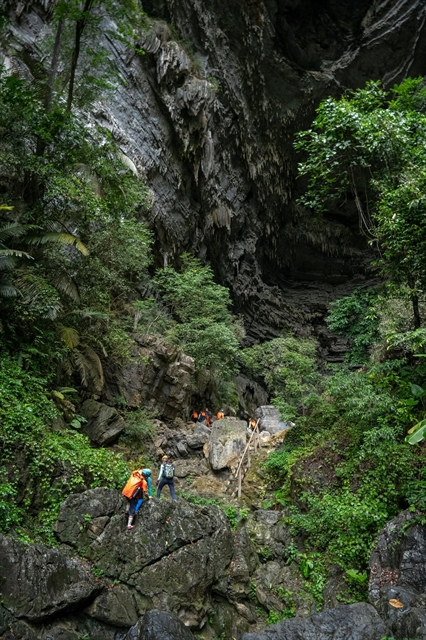
|
| Tourists at the entrance of Tiên Cave in Tú Làn, one of Quảng Trị's popular cave systems. — Photo courtesy of Oxalis Adventure |
In the near future, Quảng Trị aims to transform tourism into a key economic sector, positioning the province as one of Việt Nam's most attractive destinations and a regional hub for adventure tourism and with a target of welcoming up to 15 million visitors by 2030.
Strategic efforts will focus on planning, investing in tourism infrastructure, developing new tourism products, improving promotion and marketing methods, and leveraging science, technology, digital transformation and workforce training to drive tourism growth.
Inner Sanctum: Quảng Trị will host National Tourism Year 2027. How is the province preparing for this large event?
National Tourism Year 2027 will create opportunities for Quảng Trị and neighbouring localities to promote their tourism offerings at home and abroad. It is expected to help transform the tourism sector towards higher quality and greater professionalism.
Centred on the theme Majestic Nature, A Peaceful Destination, the event will offer visitors a rich array of unique experiences, supported by promotional activities held across Việt Nam and overseas.
I hope that Quảng Trị will leave a positive impression and attract both domestic and international tourists, while also helping to promote the province – and Việt Nam as a whole – as an appealing travel destination. — VNS
Life & Style
 Life & Style
 Life & Style
 Life & Style
 Life & Style
.jpg) Life & Style
 Life & Style
 Life & Style
 Life & Style
 Life & Style
 Life & Style
 Life & Style
 Life & Style
 Life & Style
 Life & Style