 Life & Style
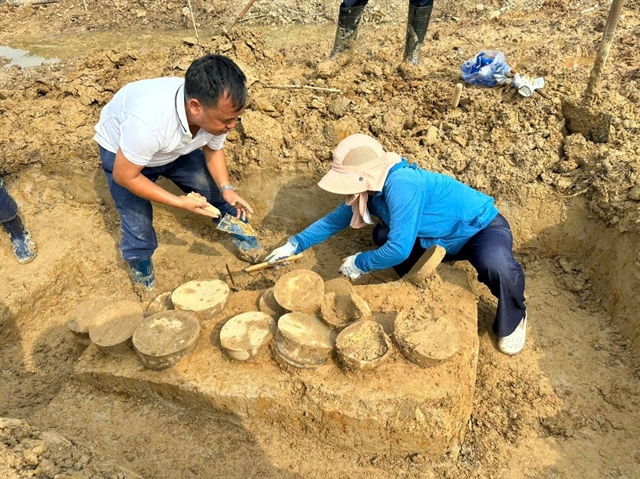
Ancient artefacts unearthed during home construction in Ninh Bình
1.
|
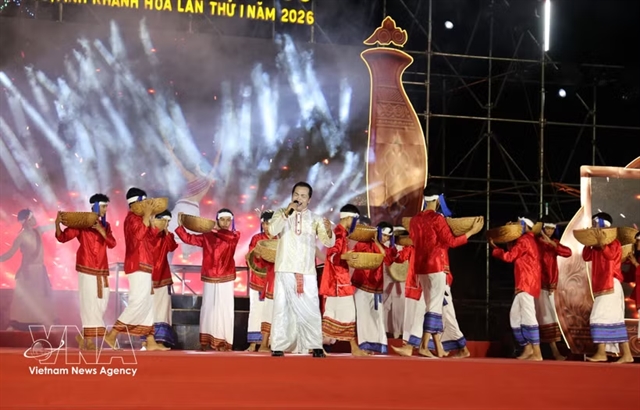
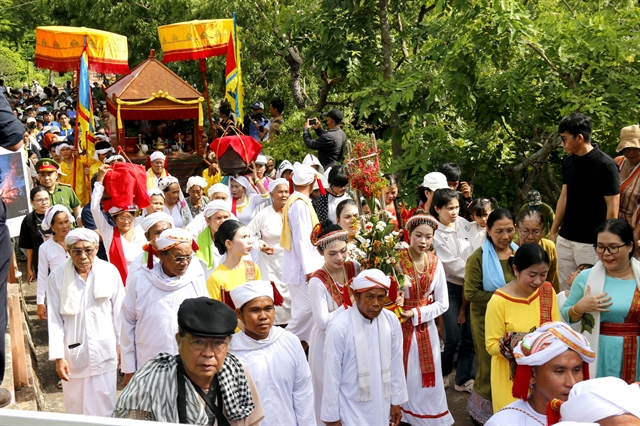
| A dance performance celebrates the traditional craftsmanship of the Chăm people in Ninh Phước Commune, Khánh Hòa Province. VNA/VNS Photo |
KHÁNH HÒA — The first Bàu Trúc Chăm Pottery Festival 2026 has closed in Ninh Phước Commune, the south-central province of Khánh Hòa.
Held during the Kate festival, the event celebrated the Chăm people's pottery-making art and promoted local cultural heritage and community-based tourism.
It showcased Bàu Trúc pottery, Mỹ Nghiệp brocade weaving, OCOP products, local cuisine and tourism attractions.
Visitors could browse pottery ranging from everyday items such as vases, jars and pots to decorative pieces, watch artisans at work and join a “One day as a Bàu Trúc potter” experience.
Artisan Châu Thị Nghiệp said pottery-making has been passed down through generations of Chăm women. Children in the village grow up watching their mothers and grandmothers select and prepare clay, shape products, decorate them and fire them. She hopes younger generations will learn the craft, understand its value and preserve the skills handed down by their ancestors.
Bàu Trúc pottery is distinguished by its traditional handmade techniques. Without pottery wheels or moulds, Chăm women use their hands to shape clay, water and fire into unique products that embody the community's folk knowledge, customs, memories and cultural identity.
Quảng Thúc Đoàn, chairman of the Ninh Phước People's Committee, noted that the Chăm people's pottery-making art was inscribed on UNESCO's List of Intangible Cultural Heritage in Need of Urgent Safeguarding in 2022.
He stressed that Bàu Trúc pottery represents more than clay products, carrying the craftsmanship, daily life, beliefs and spirit of generations of Chăm people. Many elderly artisans continue to pass on their skills despite their advanced age.
Preserving the heritage requires ensuring that the craft continues to be practised, passed down and valued in contemporary life, he said. The locality plans to support artisans in training younger generations, encourage cooperatives and producers to improve quality and diversify products, and strengthen promotion, market access and links with cultural and community-based tourism.
Ninh Phước also hopes to connect Bàu Trúc pottery with Mỹ Nghiệp brocade weaving, Kate celebrations, Chăm cuisine and community experiences to develop new tourism products, create jobs and raise local incomes. The festival is expected to inspire younger people to take pride in their heritage and keep the craft alive as older artisans gradually retire.
The programme also brought the pottery story to life through artistic performances under the theme “The soul of Bàu Trúc pottery”. Chăm instrumental music, folk songs and dances recreated the community's cultural life and the craft's history.
The highlight was the “Bàu Trúc flame” ceremony. Accompanied by Ginang and Paranung drums and Saranai horns, a ceremonial fire was lit as performers danced around it, inviting residents and visitors to join. The flame symbolised the bond between the land, the craft and successive generations.
For Bàu Trúc villagers and artisans, the festival is not merely a showcase of products but also an opportunity to meet customers, share the stories behind their creations and help young people experience and understand their ancestors' craft firsthand. — VNA/VNS
Life & Style
 Life & Style
 Life & Style
 Life & Style
 Life & Style
 Life & Style
 Life & Style
 Life & Style
 Life & Style
 Life & Style
 Life & Style
 Life & Style
 Life & Style
 Life & Style
 Life & Style