 Life & Style
Việt Nam’s growth prospects appeal to long-term investors
1.
|
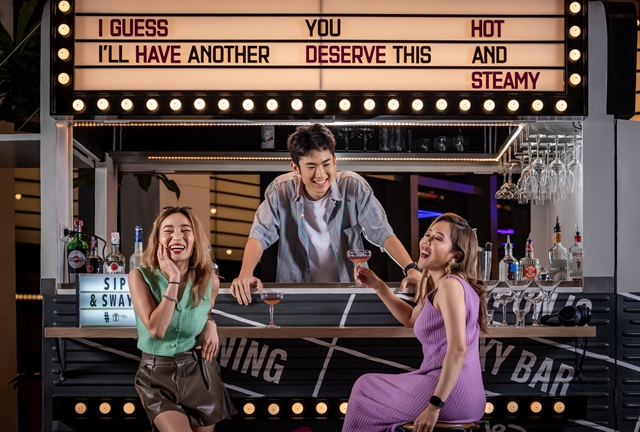
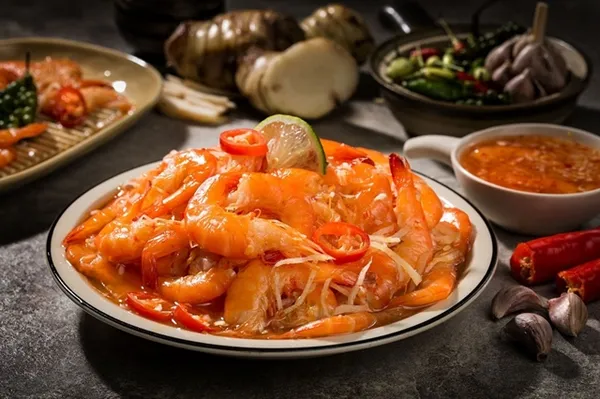
| The dining scene in Việt Nam is becoming more sophisticated, with local ingredients, texture, culinary storytelling. — Photo Courtesy of Marriott International |
HCM CITY — Việt Nam’s food and beverage scene is entering a more confident phase, driven by the enduring appeal of local cuisine, distinctive dining experiences and a new generation of diners reshaping the market.
Chefs and industry experts say the dining scene is becoming more sophisticated, with local ingredients, texture, culinary storytelling, contemporary techniques and distinctive settings combining to give Vietnamese food new expressions.
“The future of Vietnamese cuisine lies in its identity,” said Chef Summer Lê of Nén restaurant.
Luxury is increasingly associated with “locality, creativity, research and cultural depth”, she said.
Diners are paying closer attention to ingredient origins and the stories behind them, rather than simply seeking expensive imported produce.
Lê expects the local dining scene to become more vibrant, particularly in destinations such as Đà Nẵng and Phú Quốc. Fine dining is also likely to become more personal, she said, as leading restaurants develop a deeper understanding of Vietnamese culture, ingredients and culinary storytelling.
A recent Marriott International report, Future of Food 2027, found that 52 per cent of surveyed establishments in Việt Nam had recorded an increase in dinner guests, while 71 per cent reported more guests at their bars and lounges – the highest proportion in the Asia-Pacific region.
The report also points to distinct preferences among Vietnamese diners when it comes to spice. Only one in 10 establishments said their guests regularly ordered highly spicy dishes. The findings suggest that diners tend to favour more nuanced, aromatic flavours over intense heat.
Texture remains central to Vietnamese cuisine. The crispness of bánh mì, the contrast between fried dough sticks and fried shallots in phở, and the use of peanuts, pickles and fresh herbs all help define individual dishes.
Chef, consultant and food writer Anaïs Ca Dao said younger diners increasingly choose restaurants based on the overall experience, with ambience, aesthetics and lighting all playing an important role. She has also seen growing interest in dining formats such as hot pot, for one.
At Akuna restaurant in HCM City, head chef Sam Naisbett said signature dishes can help diners choose what to order. However, he prefers to change the menu with the seasons rather than keep it fixed. His current combination of smoked pork jowl, scallop with XO sauce, braised daikon, termite mushrooms and grilled seafood broth reflects this approach.
The shifts in Việt Nam are part of broader regional trends. Marriott International’s Future of Food 2027 report examines food and beverage trends across Asia-Pacific, excluding China. It found that diners across the region are increasingly seeking authenticity and connection. Some 95 per cent of surveyed properties identified demand for authentic local signature dishes as the biggest trend in their market.
Dining is also moving beyond the traditional restaurant model. Guests are increasingly drawn to flexible, social and experience-led spaces, including bars, lounges, counters and outdoor settings. Nearly half of surveyed properties reported growing demand for casual venues, while emerging concepts are embracing smaller, 40- to 60-seat spaces with distinct identities.
Fine dining is changing, too, with shorter experiences replacing lengthy tasting menus. Across the region, 58 per cent of properties said the average fine-dining experience lasts between 1.5 and two hours. The trend reflects diners’ growing interest in memorable meals that fit more easily into their schedules.
Together, these developments point to an evolving food scene in Việt Nam and across the region, where local ingredients, cultural identity and the overall dining experience are becoming increasingly important. — VNS
Life & Style
 Life & Style
 Life & Style
 Life & Style
 Life & Style
 Life & Style
 Life & Style
 Life & Style
 Life & Style
 Life & Style
 Life & Style
 Life & Style
 Life & Style
 Life & Style
 Life & Style