 Life & Style

MSM chooses AWS to accelerate next-generation technology solutions for agribusiness value chain
1.
|
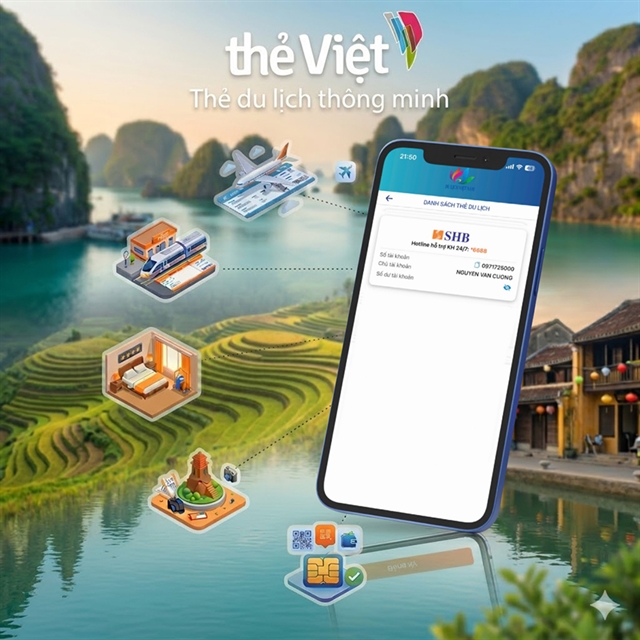
| Rather than functioning as a simple payment method, the card is designed under a 'one card – multiple utilities' model. — Photo vietnamtourism.gov.vn |
HÀ NỘI — A trip to Việt Nam is becoming increasingly seamless, with travellers now able to plan and manage their journeys using just a smartphone. From booking transport and accommodation to paying for services, digital tools are gradually reshaping how visitors experience destinations.
Among these emerging solutions, the Việt Card – a smart travel card developed as part of the national tourism digital ecosystem – is positioning itself as a convenient companion for modern travellers.
Rather than functioning as a simple payment method, the card is designed under a 'one card – multiple utilities' model, allowing users to access a wide range of services through a single platform, Vietnam Travel. This integration reflects a broader effort to streamline travel experiences while reducing the need to switch between multiple applications.
With a single account, users can manage bookings, make payments and track their itineraries in one place. The system is intended to save time, simplify processes and provide a more connected experience throughout a trip. For many visitors, especially international tourists unfamiliar with local systems, such convenience can make a significant difference.
The shift towards cashless travel is also becoming more visible across destinations. The Việt Card supports various forms of digital payment, including bank-linked transactions and QR code scanning, offering a safer and more flexible alternative to carrying cash. As contactless services continue to expand, these features are expected to become increasingly standard in the tourism sector.
Beyond benefits for travellers, the platform also opens up opportunities for tourism businesses. By joining the digital ecosystem, service providers can reach customers more directly, introduce promotional programmes and improve customer engagement through data-driven tools. At the same time, digital integration can help streamline operations and enhance service quality.
This development aligns with Việt Nam’s broader push for digital transformation under Resolution 57-NQ/TW, which identifies tourism as a sector with strong potential for applying technology. Industry stakeholders have been encouraged to adopt digital platforms to improve competitiveness and better meet changing consumer expectations.
In practice, the impact of such initiatives can already be seen in how travellers interact with destinations. Instead of relying on fragmented services, visitors are gradually moving towards integrated digital solutions that offer both convenience and transparency.
As the tourism sector continues to recover and grow, tools like the Việt Card are expected to play a larger role in shaping a smarter, more connected travel environment. By bringing together services, payments and user experiences on a single platform, the initiative reflects a shift towards a more modern and user-friendly tourism landscape. — VNS
Life & Style
 Life & Style
 Life & Style
 Life & Style
 Life & Style
 Life & Style
 Life & Style
.jpg) Life & Style
Life & Style
 Life & Style
 Life & Style
 Life & Style
 Life & Style
 Life & Style
 Life & Style
 Life & Style