 Life & Style

LANDMARK Launches ‘Destination CENTRAL’: A District-Wide Invitation to Explore the Dynamism, Luxury, and Soul of Central
1.
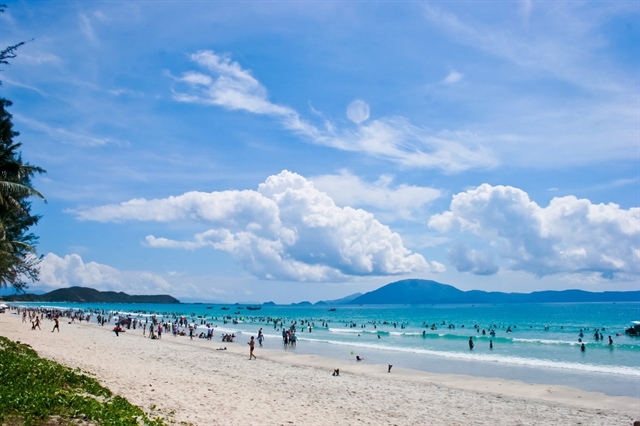 |
| Đồ Sơn Beach, one of Hải Phòng’s most treasured natural attractions. — Photo oceanhomestay.vn |
HẢI PHÒNG — With mountains rolling gently into the sea and waves lapping along its sandy coastline, Đồ Sơn in southeastern Hải Phòng has long held a special place in the memories of northern travellers.
Now, the historic seaside destination is entering a new chapter as Hải Phòng seeks to transform it into a modern tourism and service hub while preserving its natural and cultural charm.
The newly established Đồ Sơn Ward covers a total area of 25 sq.km. The expanded area offers considerable potential for tourism development thanks to its coastal landscape, mountainous terrain and favourable tropical monsoon climate.
One of Đồ Sơn’s distinctive geographical features is a chain of nine mountains stretching toward the sea, creating a rare combination of mountains, forests and coastline that contributes to the area’s scenic appeal.
Besides its natural advantages, Đồ Sơn is also home to a rich collection of historical relics, spiritual sites and traditional festivals that reflect the cultural identity of Hải Phòng.
However, local authorities acknowledge that the area faces significant challenges as tourism demands continue to evolve. Infrastructure connectivity, service quality and tourism products still require further improvement to meet the expectations of both domestic and international visitors.
According to Nguyễn Quang Diện, chairman of the People’s Committee of Đồ Sơn Ward, this is a crucial period for reshaping the local tourism strategy.
“Đồ Sơn needs timely and decisive solutions to fully tap into its tourism potential while preserving traditional cultural values,” Diện said.
“Adjustments to tourism planning and breakthrough policy mechanisms will play an important role in creating sustainable development.”
Currently, Đồ Sơn has around 20km of coastline, including more than 2km of beaches suitable for swimming and leisure tourism. The beaches are known for their gentle waves, sloping sandy shores and spacious surroundings.
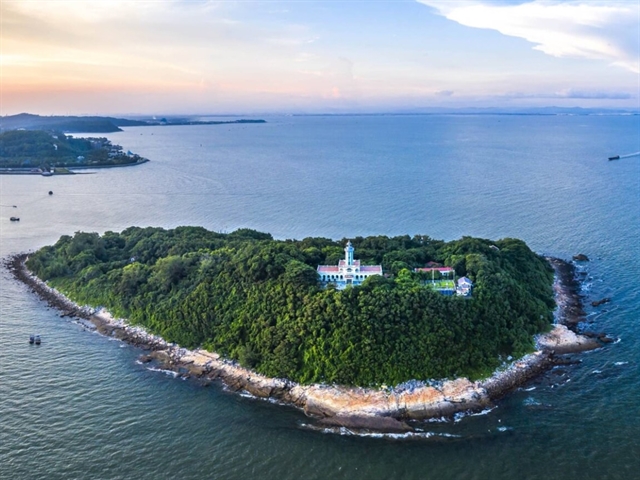 |
| Hòn Dấu Island rises from the sea off the coast of Hải Phòng. — Photo sunparadiseland.com |
The area is also home to several notable cultural and historical landmarks, including Hòn Dấu Island, known for its spiritual and ecological significance, the historic Wharf K15 - also known as the "No Number Wharf" associated with secret maritime transport routes during the Vietnam War - and the ancient Tường Long Tower complex.
To date, Đồ Sơn has 13 recognised historical and cultural relics and scenic sites, including one national intangible cultural heritage site, one nationally recognised scenic site and four national relics.
According to Trần Văn Ngọc, deputy director of the Hải Phòng Department of Culture, Sports and Tourism, Đồ Sơn is benefiting from a "new development space" created by a series of strategic planning policies.
The development strategy is also being implemented in line with Resolution 80 of the Politburo on cultural development, contributing to enhancing visitor experience alongside the preservation of local cultural values.
Development momentum
Under the adjusted master plan for Hải Phòng through 2040 with a vision to 2050, along with the city’s 2021-2030 development plan, Đồ Sơn is being positioned not only as a coastal resort area but also as a multi-functional international tourism centre.
The area is expected to strengthen tourism links with the Cát Bà Archipelago and Hạ Long Bay, helping form a regional maritime tourism corridor in northern Việt Nam.
At the same time, Đồ Sơn is expected to play a greater role in Hải Phòng’s broader economic ecosystem, including logistics, urban services and high-tech industries.
Several major development policies and infrastructure projects are also expected to create momentum for the area’s growth. Among them is the establishment of the Hải Phòng Free Trade Zone, approved by the National Assembly, with part of the project located adjacent to the Đồ Sơn coastline.
The Hải Phòng People’s Committee has also approved the conversion of 290ha of coastal water surface into land designated for mixed urban and tourism development, paving the way for future entertainment and resort complexes.
Meanwhile, major transport projects – including the Kunming (China)-Lào Cai-Hà Nội-Hải Phòng railway, the planned Nam Đồ Sơn International Gateway Port and upgrades to Cát Bi International Airport – are expected to strengthen Đồ Sơn’s connectivity and position it within regional trade and tourism networks.
With a combination of natural beauty, cultural heritage and expanding infrastructure, Đồ Sơn is seeking to redefine itself as a modern coastal destination while maintaining the unique identity that has attracted visitors for generations. — VNS
Life & Style
 Life & Style
 Life & Style
 Life & Style
 Life & Style
 Life & Style
 Life & Style
 Life & Style
 Life & Style
 Life & Style
 Life & Style
 Life & Style
 Life & Style
 Life & Style
 Life & Style