 Life & Style
Rural tourism needs to cash quantities over goods sold
1.
|
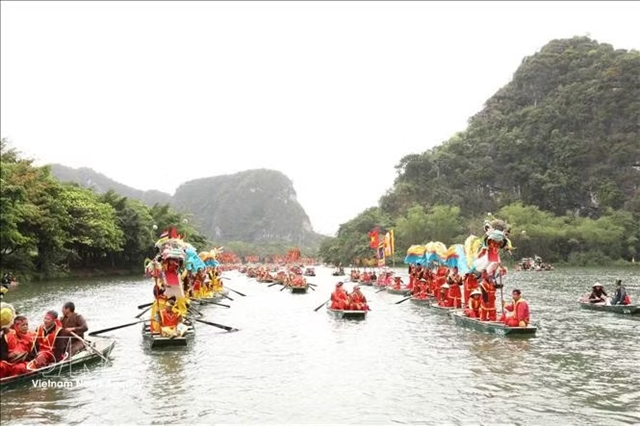
| Traditional dragon procession held on the river in Ninh Bình. — VNA/VNS Photo |
NINH BÌNH — The northern province of Ninh Bình is reinforcing its position as one of Việt Nam's leading tourism destinations by placing cultural heritage at the centre of its development strategy, using traditional festivals to preserve its former imperial legacy while promoting sustainable tourism growth.
Cultural festivals shape tourism appeal
Springtime cultural festivals have become a key tourism draw in Ninh Bình, attracting large numbers of visitors nationwide. Major events such as the Hoa Lư Festival, Bái Đính Pagoda Festival and Tràng An festivities highlight the province’s distinctive cultural identity.
Among them, the Bái Đính Pagoda Festival remains one of Việt Nam’s largest annual religious events, welcoming millions of pilgrims and tourists each year. According to Venerable Thích Minh Quang, Vice Abbot of Bái Đính Pagoda, the site spans thousands of years, and has been carefully preserved through generations by monks, Buddhist followers and local communities despite historical upheavals.
Meanwhile, the Trần Temple Festival, held at the Special National Historical and Cultural Relic Site of Trần Temple–Tháp Pagoda, features solemn traditional rituals, including palanquin processions and ceremonial offerings. The seal-opening ceremony on the night of the 14th day of the first lunar month has become a highly anticipated spiritual event for visitors.
Hoàng Thanh Thủy, a visitor from Hải Phòng, said her family comes to the site annually to attend the ceremony, offer incense in remembrance of ancestors and receive the ceremonial seal, which symbolises good fortune and encourages younger generations to pursue success in study and work.
|
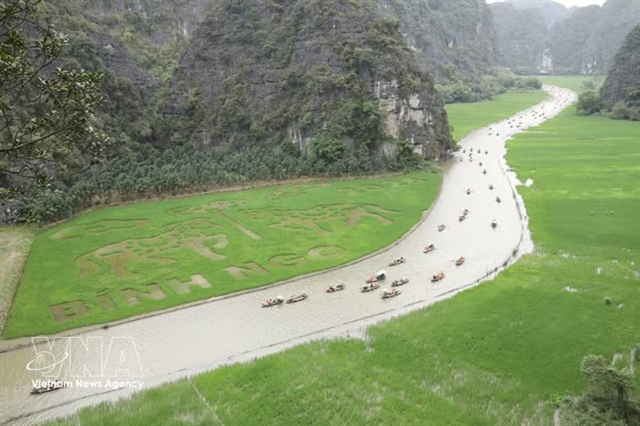
| Although the rice fields are still green, the landscape has begun to take shape, attracting many visitors. — VNA/VNS Photo |
A boost to tourism growth
Following administrative restructuring, Ninh Bình now hosts more than 700 culturally distinctive festivals, including 20 recognised as National Intangible Cultural Heritage. Through ritual activities, cultural performances, folk games and experiential programmes, these events meet spiritual needs while creating unique tourism products that encourage longer stays and higher visitor spending.
To maximise the tourism potential of festivals, the provincial tourism sector has strengthened cooperation with travel firms, accommodation providers, tourist sites and local authorities to develop professional and synchronised festival-based tourism services. Supported by rich heritage resources and proactive promotion efforts, the province’s tourism industry continues to maintain strong growth momentum.
In the first two months of 2026, Ninh Bình welcomed over 5.4 million visitors, up 9.9 per cent year-on-year, generating nearly VNĐ5.84 trillion (US$221 million) in tourism revenue, up 15.9 per cent. During the 2026 Lunar New Year holiday alone, the province received 2.38 million visitors, an 81.4 per cent increase from the previous year, ranking second nationwide.
Nguyễn Văn Trọng, Deputy Director of the provincial Department of Tourism, said authorities will continue working with localities and cultural agencies to preserve traditional rituals and ensure festivals are organised respectfully and authentically, thereby sustaining long-term tourism appeal.
Efforts will focus on researching, restoring, and promoting the historical and cultural values associated with major festivals such as Hoa Lư, Bái Đính, and Tràng An to enhance visitor experiences.
The province also plans to expand festival-linked tourism products, particularly cultural, spiritual and experiential travel, connecting festivals with heritage sites, scenic landscapes, craft villages and local cuisine to create integrated tour routes that encourage longer stays and increased spending.
Alongside product development, Ninh Bình aims to strengthen State management, promote green and community-based tourism, and enhance residents’ role in preserving and promoting festival cultural values. — VNA/VNS
Life & Style
 Life & Style
 Life & Style
 Life & Style
 Life & Style
 Life & Style
 Life & Style
 Life & Style
 Life & Style
 Life & Style
 Life & Style
 Life & Style
 Life & Style
 Life & Style
 Life & Style