 Life & Style
Weaving the unique heritage of the Thu Lao
1.
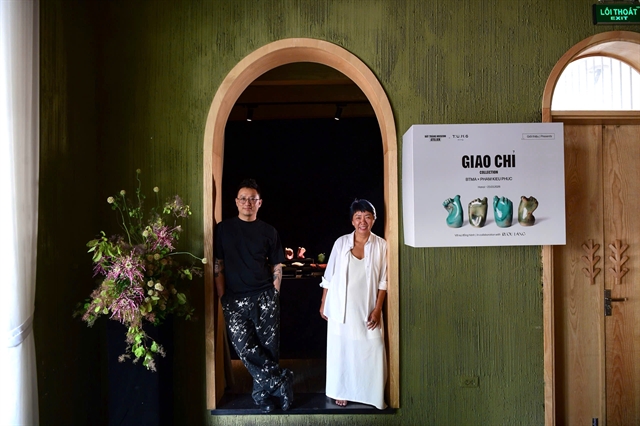
|
| Artist Phạm Kiều Phúc (right) and Creative Director of Bát Tràng Museum Atelier Vũ Khánh Tùng at the launch of ‘Giao Chỉ’ sculptural ceramic collection at T.U.N.G dining in Hà Nội. — Photos courtesy of BTMA |
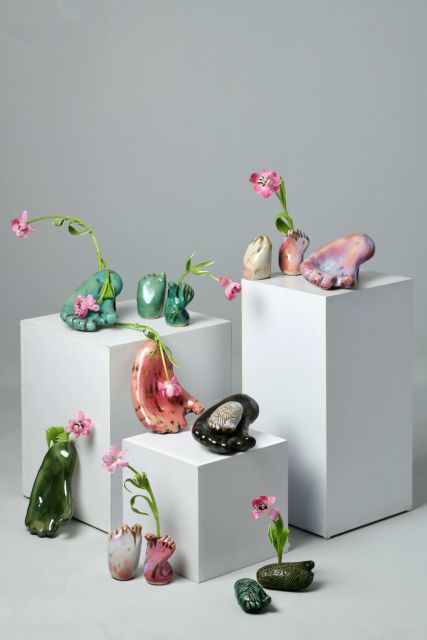
HÀ NỘI — A collection of sculptural ceramic works inspired by ancient Vietnamese anthropological legends, marked by the distinctive image of feet with outward‑turned big toes, has been introduced to art lovers.
Entitled Giao Chỉ, the collection is a collaboration between the Bát Tràng Museum Atelier (BTMA) in Hà Nội and artist Phạm Kiều Phúc, founder of the interior design brand Module 7. With more than two decades of experience in product design, Phúc has moved into independent artistic practice, guided by a deep interest in cultural memory and identity.
|
| The ‘Giao Chỉ’ collection was inspired by ancient Vietnamese anthropological legends, marked by the distinctive image of feet with outward‑turned big toes. |
Reflecting on the idea, she said: “Over time, the Giao Chỉ toe has been regarded as a lost marker. But lost does not mean vanished – it is a transformation.
"Everything that has its moment will come into being, and when that moment passes, it will exist in another form. For me, the Giao Chỉ toe is both a sign that has receded into the past and a presence that still lives in the consciousness of today’s Vietnamese.”

|
| Primitive Art motifs, inspired by early expressions of creativity, are woven into the designs of some works in ‘Giao Chỉ’ collection. |
The collection embodies this vision, revisiting cultural memory through sculptural forms and contemporary interpretations of ceramic art. Phúc combines her artistic approach with BTMA’s craftsmanship to create a modern aesthetic language.
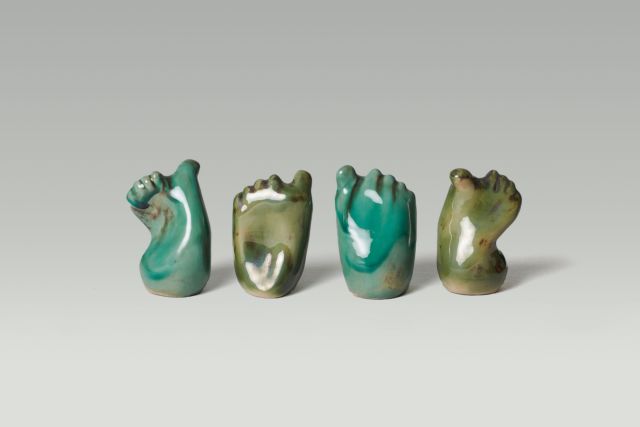
Giao Chỉ features robust forms that evoke a quiet, contemplative sense of Eastern aesthetics. Primitive Art motifs, inspired by early expressions of creativity, are woven into the designs. Layered glazes, fired at 1,300 degrees Celsius, produce subtle colour variations that never repeat, ensuring each piece is unique. According to Vũ Khánh Tùng, Creative Director of BTMA, these glazes reflect the atelier’s distinctive hues and represent the creative dialogue between artisans and artists, where traditional techniques underpin new artistic conversations.
|
| ‘Giao Chỉ’ features robust forms that evoke a quiet, contemplative sense of Eastern aesthetics. |
BTMA, a family‑run atelier nearly 50 years old, was founded to preserve the legacy of the late People’s Artisan Vũ Đức Thắng. It also serves as a creative space where Bát Tràng ceramics engage with contemporary art. The atelier researches and develops aesthetic elements of traditional Vietnamese ceramics – form, glaze, and decorative motifs – distilling them into modern design while collaborating with artists across disciplines to expand new storytelling for Vietnamese ceramics.
|
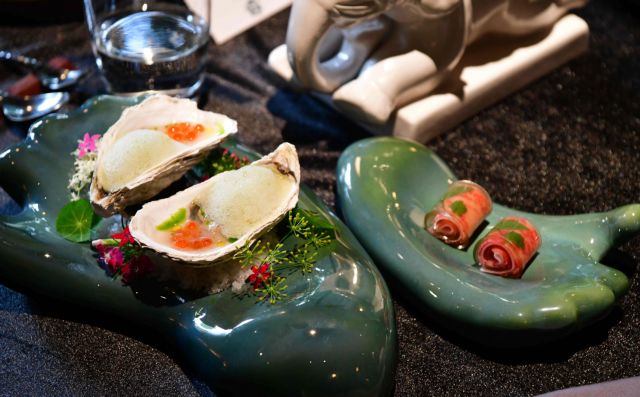
| The Giao Chỉ collection was first presented at the fine‑dining restaurant T.U.N.G dining, where its cultural story was carried forward through contemporary culinary creations by Chef Hoàng Tùng. |
The Giao Chỉ collection debuted at the fine‑dining restaurant T.U.N.G dining, where the cultural narrative was extended through contemporary culinary interpretations by Chef Hoàng Tùng. He introduced a menu inspired by the ceramic works, transforming familiar Vietnamese ingredients such as traditional buttery chẻo sauce, Đông Dư guava, Mộc Châu strawberries, phở, and Hội An’s cao lầu noodles into refined dishes that tell a cultural story through taste.
The fusion of ceramic art and cuisine at the event was more than a display or sensory experience, it opened new ways of interpreting Vietnamese cultural heritage. Through the dialogue between traditional craftsmanship and modern creativity, Giao Chỉ offers a fresh approach: bringing local cultural values into contemporary life through the language of art. — VNS
Life & Style
 Life & Style
 Life & Style
 Life & Style
 Life & Style
 Life & Style
 Life & Style
 Life & Style
 Life & Style
 Life & Style
 Life & Style
 Life & Style
 Life & Style
 Life & Style
 Life & Style