 Life & Style
Phenikaa wins fifth consecutive Vietnam National Brand title
1.
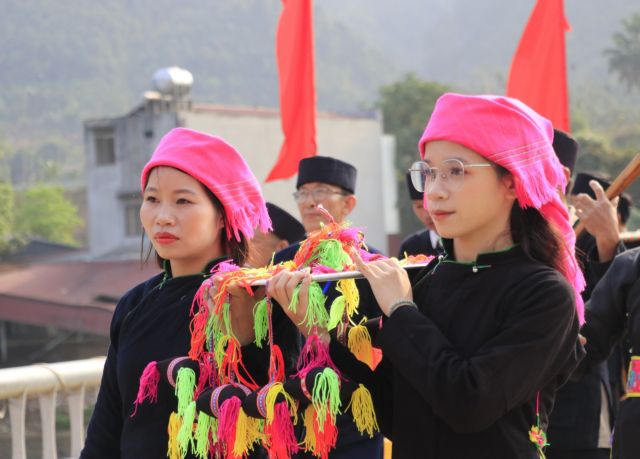 |
| Local people, especially women, wear their best clothes to take part in the festival, one of the largest events of the community. |
LÀO CAI — As spring settles over the northern mountains, ethnic communities in Lào Cai Province, particularly the Tày people, gather to celebrate the Lồng Tồng Festival, or Rice Planting Festival. The centuries-old event marks the opening of the agricultural year, with villagers offering prayers for peace, prosperity and abundant harvests.
This year, residents of Phong Dụ Thượng Commune held the festival on March 1-2, transforming their locality into a vibrant cultural gathering point and an inviting destination for visitors.
Following worship rituals at the communal houses of Làng Chạng and Làng Than villages, villagers took part in a buffalo sacrifice, a ceremonial procession and offerings to the God of Agriculture, expressing hopes for favourable weather and fruitful crops.
The centrepiece of the festival is the field-ploughing ceremony. Local leaders are invited to make the first furrows of the year, symbolically marking the start of the planting season to the sound of drums and cheers. Participants then sow the first seeds, sending a collective wish for a productive year ahead.
A wide range of cultural activities adds to the festive atmosphere. Residents and visitors enjoy music and art performances and join traditional folk games such as ném còn, in which a sacred ball is thrown through a ring, as well as stick pushing, tug-of-war, blindfolded drum beating, and stilt walking.
Local authorities also use the occasion to promote agricultural and tourism products through exhibitions featuring regional specialities, including black pigs, five-coloured sticky rice, chilli peppers and black ginger, alongside wild vegetables such as bamboo shoots and forest mushrooms.
Lương Văn Thu, chairman of the People’s Committee of Phong Dụ Thượng Commune, said the Lồng Tồng Festival is a treasured cultural heritage of local ethnic groups, a sacred symbol, and a reflection of community cohesion.
Over time, the festival has not only preserved the distinctive traditions of the Tày people but also spread to other ethnic groups such as the Dao, Thái and Mông.
More than a celebration of the new farming season, the festival is also a time for communities to come together, strengthen solidarity and pass on cultural values to younger generations. — VNS
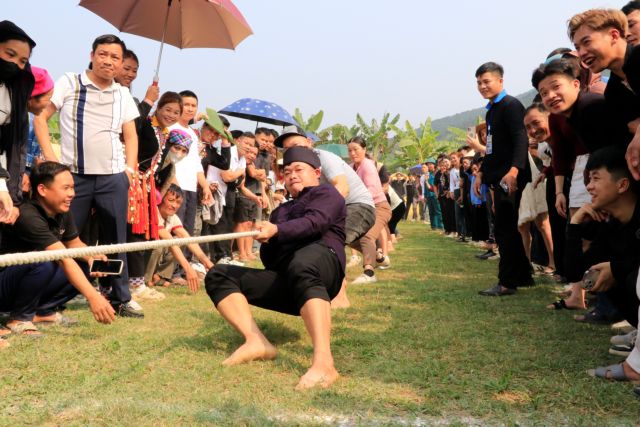 |
| People take part in the tug-of-war game, which always attracts enthusiastic cheers from locals and tourists. VNA.VNS Photos Đinh Thùy |
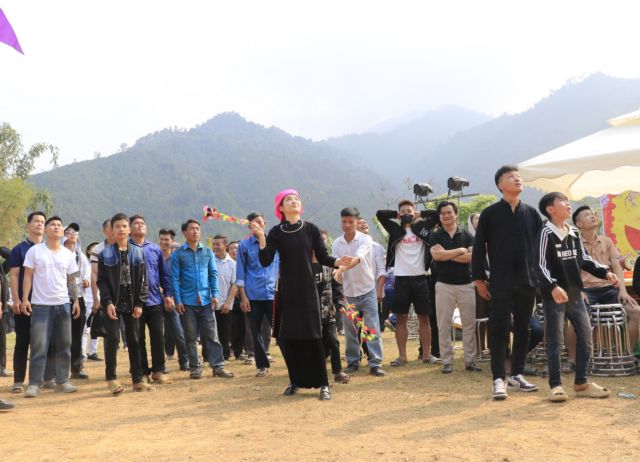 |
| A woman takes part in the ném còn folk game, a joyful tradition that brings people together for fun, luck, and a little friendly competition! |
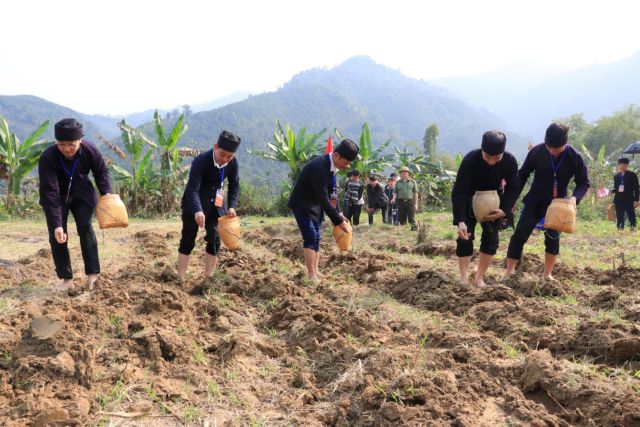 |
| Local leaders are the first 'farmers' to plant rice at the beginning of the season. |
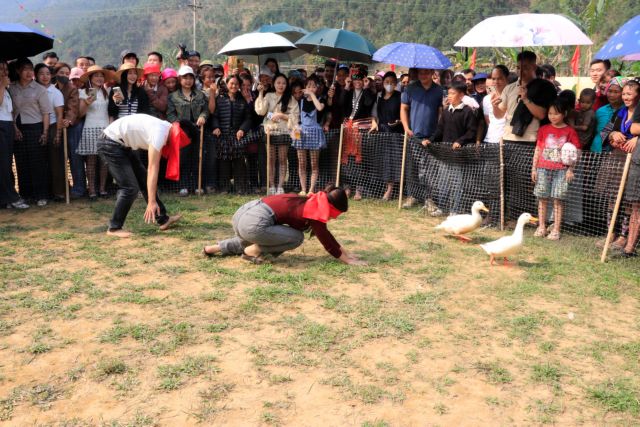 |
| Locals and tourists participate in the blindfolded duck-catching game. |
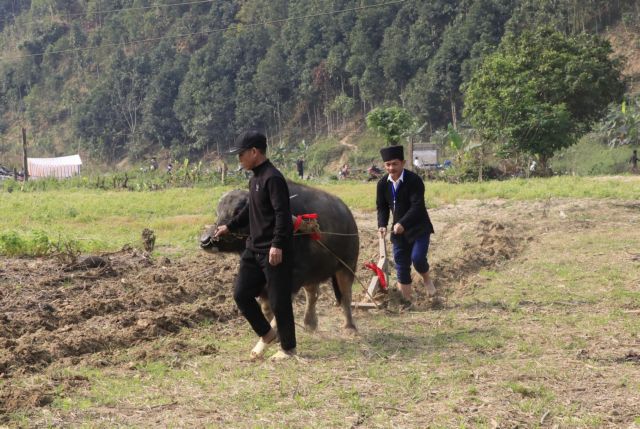 |
| Luong Van Thu, chairman of the Phong Du Thượng Commune People's Committee, makes the first furrows to mark the beginning of the new planting season. |
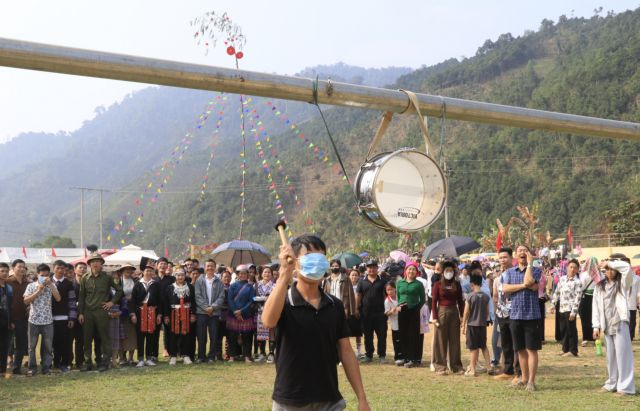 |
| A tourist takes part in the blindfolded drum-beating game at the festival. |
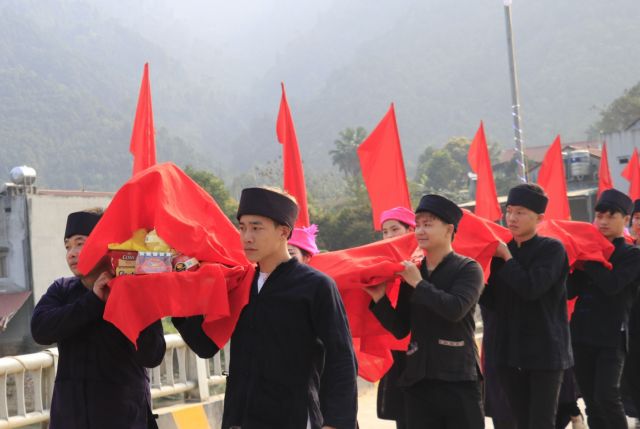 |
| A procession and the worship of the God of Agriculture are an important part of the festival. |
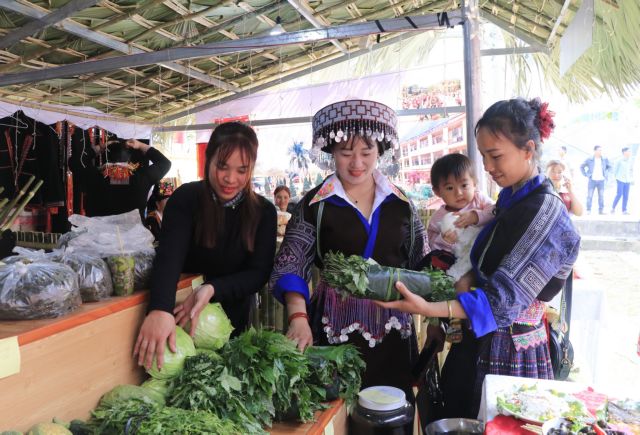 |
| At the Lồng Tồng Festival in Phong Dụ Thượng Commune, visitors can taste and buy many local specialties of the highlands. |
Life & Style
 Life & Style
 Life & Style
 Life & Style
 Life & Style
 Life & Style
 Life & Style
 Life & Style
 Life & Style
 Life & Style
 Life & Style
 Life & Style
 Life & Style
 Life & Style
.jpg) Life & Style
Life & Style