 Life & Style

AIMCONNECT 2026 Held in Singapore, Bringing Global Automotive Leaders Together to Explore the Future of AI, Trust and Connected Mobility
1.
Dr Serge Gradstein*
Recent news reports about Nipah virus cases in India have raised concern across South and Southeast Asia. While headlines can feel alarming, it’s important to understand what Nipah virus is, how it spreads, and most importantly, what the real risks are for the general public.
At Family Medical Practice, we believe accurate information and calm guidance are key to protecting both individual and community health.
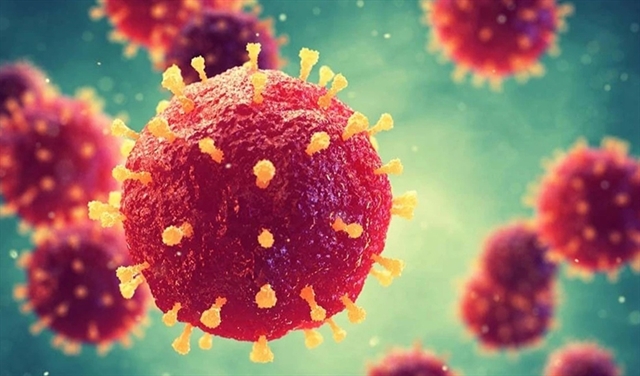 |
| Accurate information and calm guidance are essential to protecting both individual and community health from Nipah virus. — Photo vov.vn |
What is the Nipah virus?
Nipah virus is a rare but serious zoonotic infection, meaning it can spread from animals to humans. It was first identified in 1998 and has caused sporadic outbreaks in parts of South and Southeast Asia.
The virus can cause a wide range of illness, from mild flu-like symptoms to severe respiratory disease and encephalitis (brain inflammation). Because of its potential severity, the Nipah virus is closely monitored by global health authorities.
Is this a new outbreak?
This is not the first Nipah virus outbreak in the region of South and South East Asia, but it is the first reported case in West Bengal since a previous outbreak about 15 years ago. In previous outbreaks, rapid containment was the rule, probably due to the relatively low transmission rate compared to respiratory infections like influenza or COVID.
So far, only a small number of cases have been identified in a limited geographic area, and nearly 200 close contacts have tested negative, which is reassuring.
Why is Nipah taken seriously?
An outbreak is not defined by the number of cases alone, but by the risk of severe illness and death.
With rare and highly virulent viruses like Nipah, even a single case can be considered an outbreak.
Nipah virus has a higher mortality rate than COVID-19, but it is also much less contagious. It does not spread easily through casual contact or the air in everyday settings.
What has drawn attention in the current cases is that symptoms were mainly respiratory, which may increase the risk of transmission in close-contact settings. This is why health authorities are responding cautiously and monitoring closely.
How does the Nipah virus spread?
Nipah virus transmission usually occurs through:
Importantly, Nipah virus does not spread easily in the community, unlike influenza or COVID-19.
How can you protect yourself?
For the general public, the risk remains low. However, practical preventive steps include:
Everyday precautions
When traveling
These measures reduce risk not only for Nipah virus but many other infectious diseases - they are part of good travel health practice.
There is currently no vaccine or specific treatment, but early medical care and supportive treatment significantly improve outcomes.
Travel, airport screening
Following confirmed Nipah virus cases in India, several Asian countries and territories have introduced enhanced health screening at airports and border entry points as a precautionary measure. These screenings are meant to identify possible symptoms early, not to restrict travel broadly.
Countries and territories that have tightened screening
These actions are part of public health preparedness and do not indicate widespread local transmission.
Why are health authorities being cautious?
Even though Nipah virus does not spread easily between people in casual contact, authorities practice vigilance because:
The World Health Organization (WHO) has also stated that the risk of Nipah virus spreading beyond India is currently low, even as neighbouring countries increase screening.
Stay informed, not alarmed
Nipah is more deadly than COVID-19, but it is much less contagious.
Health authorities are experienced in managing Nipah outbreaks, and past events have shown that early detection and containment are effective. Panic and misinformation, however, can cause unnecessary harm.
If you have concerns, especially after travel or close contact with someone who is unwell, seek medical advice promptly from a qualified healthcare provider.
Our commitment
At Family Medical Practice, our doctors closely follow international infectious disease updates and are here to provide clear, evidence-based guidance for our patients and community.
If you have questions or concerns about Nipah virus or any infectious disease, please contact our clinic for professional advice. —Family Medical Practice
 |
| Dr Serge Gradstein, — Photo courtesy of Family Medical Practice |
*Dr Serge Gradstein is an experienced paediatrician and Medical Director at FMP Thảo Điền, specialising in children’s health and infectious diseases. With decades of clinical experience, he provides comprehensive paediatric care - from routine health assessments and immunisations to the management of acute and chronic childhood conditions. Dr. Gradstein is fluent in English, French and Hebrew, and is known for his compassionate approach to guiding families through complex health decisions.
Life & Style
 Life & Style
 Life & Style
 Life & Style
 Life & Style
 Life & Style
 Life & Style
 Life & Style
 Life & Style
 Life & Style
 Life & Style
 Life & Style
 Life & Style
 Life & Style
 Life & Style