 Economy

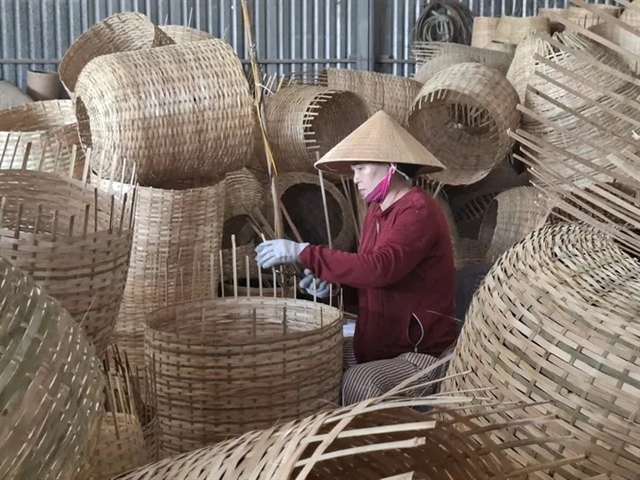
HCM City refines master plan to preserve traditional crafts, rural livelihoods
1.
As Phú Quốc prepares to host APEC 2027, the island is entering a new phase of tourism development, with growing demand for luxury, wellness, longer stays and MICE travel. International hotel executives tell Việt Nam News reporter Mai Hương how the event could reshape the tourism market and why its global attention should be turned into lasting growth.
Phú Quốc needs its own identity
Mario Caballero, cluster general manager, Southern Region, Meliá Vinpearl
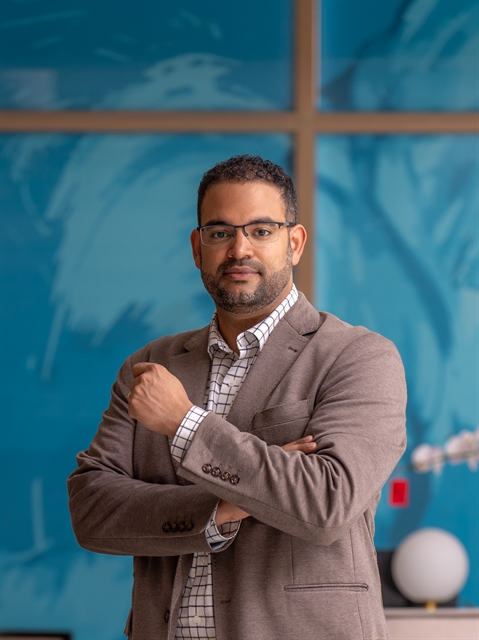 |
| Mario Caballero, cluster general manager, Southern Region, Meliá Vinpearl. Photo courtesy of Meliá Vinpearl |
Over the past five years, Phú Quốc has undergone a remarkable transformation. It has moved beyond being known mainly for its beaches and now offers a wider range of tourism products, including wellness, gastronomy, golf, entertainment, international events and MICE.
The change is also reflected in visitor behaviour. Success is no longer simply about visitor arrivals. It's about attracting guests who stay longer, spend more and value authentic, personalised experiences. I believe this is exactly where Phú Quốc should continue to position itself.
We are seeing strong growth from the Republic of Korea, India, Russia and the CIS region, while Australia and Southeast Asia are also gaining momentum as air connectivity improves.
Korean visitors often travel with family or friends and look for convenience and a balance between relaxation and entertainment. India is growing strongly in destination weddings, meetings and multi-generational family travel, while Russian and other European visitors tend to stay longer and value privacy and all-inclusive services.
Across these markets, however, there is a common trend. Travellers want more than a beautiful hotel or beach. They are looking for experiences and a clear sense of place.
I don't think Phú Quốc needs to become another Bali or Phuket. Its opportunity is to build its own identity. The island is still developing, which gives it room to grow in a more sustainable way. Combined with the island's natural beauty, visa exemption policy and ongoing investment in infrastructure, Phú Quốc has an incredibly strong foundation for future growth.
Three areas will be important. First, Phú Quốc needs more year-round international air connections. Second, it needs a stronger nighttime economy, with more cultural, entertainment and lifestyle activities. Third, it needs a distinctive destination brand that people can associate with the island.
APEC 2027 is a major opportunity in that process. Hosting an event of this scale will show that Phú Quốc can accommodate international events and will also accelerate improvements in transport, infrastructure, services and human resources.
But APEC should not be treated as a one-time event. It should be a starting point for a longer-term effort to promote the island's culture, cuisine, tourism and investment potential. Continuing to attract international events and expanding air connections will be important after the summit.
For the hospitality sector, preparation is not only about facilities. It also means improving language skills, service standards and cultural understanding. We also need to bring more local cuisine and cultural experiences into the visitor experience. Ultimately, visitors will remember not only where they stayed, but how they felt during their time on the island.
The greatest legacy of APEC won't be the event itself. It will be the confidence and international recognition it brings to Phú Quốc for years to come.
APEC should be a milestone, not a high point
Choi Sung Woong, executive assistant manager, JW Marriott Phu Quoc Emerald Bay Resort & Spa
 |
| Choi Sung Woong, executive assistant manager, JW Marriott Phu Quoc Emerald Bay Resort & Spa. Photo courtesy of JW Marriott Phu Quoc |
Phú Quốc has a combination of natural assets and infrastructure that gives it room to develop further as a tourism destination. Its marine and forest ecosystems, clean coastline and tropical climate support year-round travel.
We are also seeing a broader international visitor mix, with growth from the Republic of Korea, mainland China, India, Malaysia and Chinese Taipei, alongside the return of Russian and CIS travellers and growth from Europe, Australia and the US.
Traveller profiles are changing as well. Phú Quốc is moving beyond a beach stopover to a destination for multi-generational families, honeymooners and corporate and conference groups. Family bookings and longer stays are growing.
The island has also offered a 30-day visa exemption to visitors of every nationality since 2020, while airport and seaport upgrades and the launch of Sun PhuQuoc Airways, the island's home-grown carrier, in late 2025 are expanding direct international connectivity.
Better air connectivity and a wider range of experiences mean visitors are increasingly building their whole trip around Phú Quốc rather than treating it as a short addition to a Việt Nam itinerary. At the same time, expectations have risen. Travellers want a combination of luxury, authenticity and sustainability.
APEC 2027 could be a genuine inflection point for the island, not just a marketing moment. The event is already influencing investment and infrastructure decisions, while new hotels and increased air connectivity are being developed ahead of 2027.
In the short term, APEC will bring international delegates, business travellers and journalists. In the longer term, it could help accelerate Phú Quốc's shift from a leisure destination into a MICE hub.
We have seen different outcomes from major international events elsewhere. Đà Nẵng is an encouraging example, where the investment and international attention generated by APEC 2017 continued to support tourism after the summit. Bali's experience with the G20 in 2022 was more mixed, with the event helping restore international confidence but the benefits initially concentrated in the south of the island.
For Phú Quốc, the priority should be to keep new infrastructure in use year-round, attract international conferences and events beyond APEC, spread tourism benefits beyond the main resort areas and continue investing in local skills. As people are just as important as buildings, the island will need sustained training in languages, hospitality and technical skills. At the same time, its marine and forest ecosystems need to be protected as visitor numbers grow.
For us, preparation for APEC is therefore happening on several levels. We are continuing to invest in meeting and event spaces, language capabilities and cross-cultural service training, while paying attention to every part of the guest journey. We also see the event as an opportunity to bring Vietnamese hospitality and craftsmanship to an international audience.
Showcasing Việt Nam as a world-class hospitality destination
David Cumming, regional general manager, Indochina, The Ascott Limited
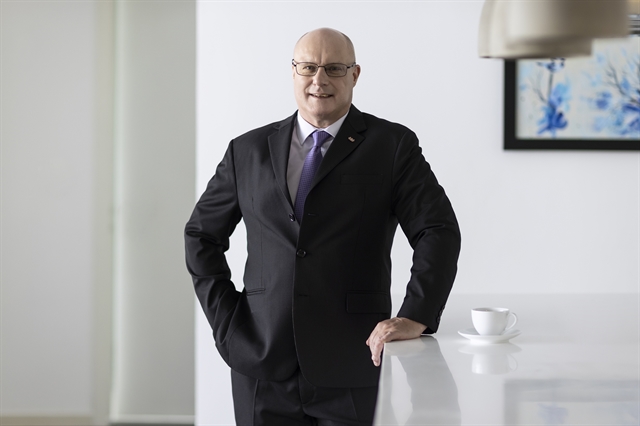 |
| David Cumming, regional general manager, Indochina, The Ascott Limited. Photo courtesy of The Ascott Limited |
Phú Quốc is moving beyond a traditional beach destination, with growing demand for wellness, lifestyle travel, longer stays and integrated resort experiences. At the same time, investment in airports, transport infrastructure and destination development is improving the island's international connectivity.
Sun PhuQuoc Airways has added further momentum, with its expanding network covering domestic, regional and long-haul markets, including routes to Eastern Europe. Phú Quốc is still relatively early in its growth journey, which gives the island room to develop its tourism infrastructure alongside rising demand. The 30-day visa-free policy for international arrivals is another factor supporting its appeal.
Traveller demand is also becoming more diverse. Domestic visitors remain an important source market, alongside growing numbers from regional Asia, India, Australia, Russia and the CIS. Beyond leisure travellers, we are seeing more families, wellness seekers, digital nomads, business travellers and MICE groups.
Length of stay is changing as well. Short resort breaks remain popular, but there is growing interest in extended stays as travellers combine work, leisure and exploration. They are also looking beyond accommodation itself, with greater demand for flexibility, experiences and amenities suited to different travel needs.
APEC 2027 represents a significant milestone for Phú Quốc and a catalyst for its next phase of growth. In the short term, the event is expected to bring more business travel, MICE activity and visitors, while accelerating infrastructure upgrades and investment. It will also give the island an opportunity to present itself to policymakers, investors, business leaders and international media.
From Ascott's perspective, the event reinforces the island's strategic importance within Việt Nam's hospitality landscape and supports our confidence in its long-term growth trajectory. We prepare to open our first Phú Quốc property, the 369-unit Citadines Selavia Phu Quoc, next year. The beachfront property will include an onsen spa and a ballroom for about 500 guests.
The important point is what happens after APEC. Successful host destinations treat major events as part of a broader development strategy rather than a standalone moment. Phú Quốc needs to ensure that investment in infrastructure, connectivity and tourism facilities continues to deliver value beyond the event, while developing a more diversified tourism offering for both leisure and business travellers throughout the year.
It should also maintain the international visibility created by APEC and build partnerships with hospitality operators, investors and tourism stakeholders. For us, our three planned properties with Sun Group in Sunset Town – Ascott serviced residences, lyf – its social-living brand offering co-working facilities, and Harris hotels catering to families – reflect the changing demand for different types of stays and travellers. — VNS
Economy
 Economy
 Economy
 Economy
 Economy
 Economy
 Economy
 Economy
 Economy
 Economy
 Economy
 Economy
 Economy
 Economy
 Economy