 Economy



LOAN Foundation awards scholarships to disadvantaged students on 10th anniversary
1.
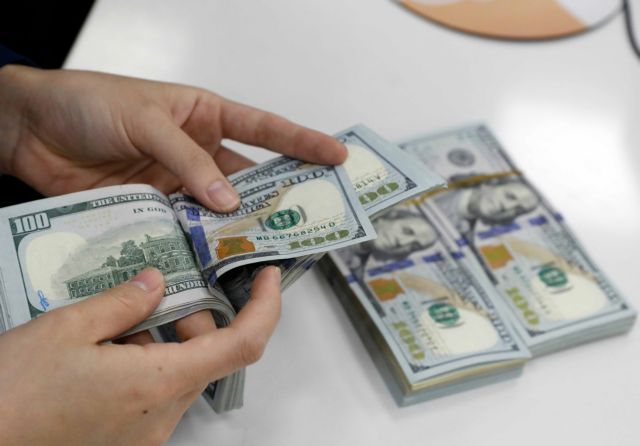 |
| By 2045, outstanding bonds are projected to reach around 60 per cent of GDP. — VNA/VNS Photo Trần Việt |
HÀ NỘI — Việt Nam aims to expand its bond market to the equivalent of around 60 per cent of GDP by 2045 and position the capital market as a key source of medium- and long-term financing for the economy, under a recently approved sweeping financial market reform plan.
The reform strategy, approved under Decision 1413/QĐ-TTg, envisions a more balanced financial market structure with stronger links between its banking, capital and insurance sectors, in line with the country’s target of high growth by 2045.
It sets out measures to strengthen the bond market through improved credit rating mechanisms, a broader range of products and upgraded market infrastructure.
Over the next five years, Government bond issuance is expected to meet 60-65 per cent of the State's borrowing needs, while local government bond issuance is targeted to cover about 20 per cent of local budget borrowing requirements during the same period.
For the corporate bond market, the Government will implement credit rating requirements for public bond offerings and introduce mandatory credit ratings for privately placed bonds sold to individual investors.
New fundraising instruments will also be studied, including infrastructure bonds, environmental, social and governance bonds and public-private partnership project bonds.
The plan also includes the establishment of bond valuation service providers to improve price transparency and support investor decision-making, while strengthening certification mechanisms for green projects and green bonds in line with environmental regulations.
By 2045, outstanding bonds are projected to reach around 60 per cent of GDP.
The new target comes after Việt Nam fell short of its previous bond market development goal. Outstanding bonds were estimated at about 34 per cent of GDP in 2025, compared with the Government's target of at least 47 per cent for the 2021-2025 period.
Beyond the bond market, the reform plan aims to build a modern, integrated financial market that meets international standards by 2045, with the stock market playing a central role in mobilising capital and the International Financial Centre gradually becoming an important regional hub for capital flows and financial services.
By 2030, foreign investors' holdings in the capital and stock markets are targeted to reach around 15 per cent of GDP, while the net asset value of securities investment funds is expected to increase to about 5 per cent of GDP.
For the insurance market, the plan aims to develop the insurance sector into a more important pillar of the financial system by mobilising long-term capital, strengthening social protection and supporting financial stability.
It targets average annual premium growth of 6-8 per cent from 2026 through 2045, with 20 per cent of the population covered by life insurance by 2045 and average insurance premiums reaching VNĐ7 million per person annually.
Authorities will explore a regulatory sandbox for Insurtech business models while building a National Insurance Data Centre to enhance market oversight and data integration. In the longer term, blockchain technology will be studied to record insurance claims and support an industry-wide early warning network against insurance fraud.
The plan also outlines measures to modernise the banking system, improve credit quality, promote digital banking and financial inclusion, and direct lending towards production, business and other priority sectors to support long-term economic growth.
Eight groups of reforms are laid out in the strategy, including strengthening the legal framework, diversifying financial products, expanding the investor base, modernising financial institutions and market infrastructure, enhancing risk-based supervision, promoting international integration and developing high-quality financial talent. — VNS
Economy
 Economy
 Economy
 Economy
 Economy
 Economy
 Economy
 Economy
 Economy
 Economy
 Economy
 Economy
 Economy
 Economy

.jpg)