 |
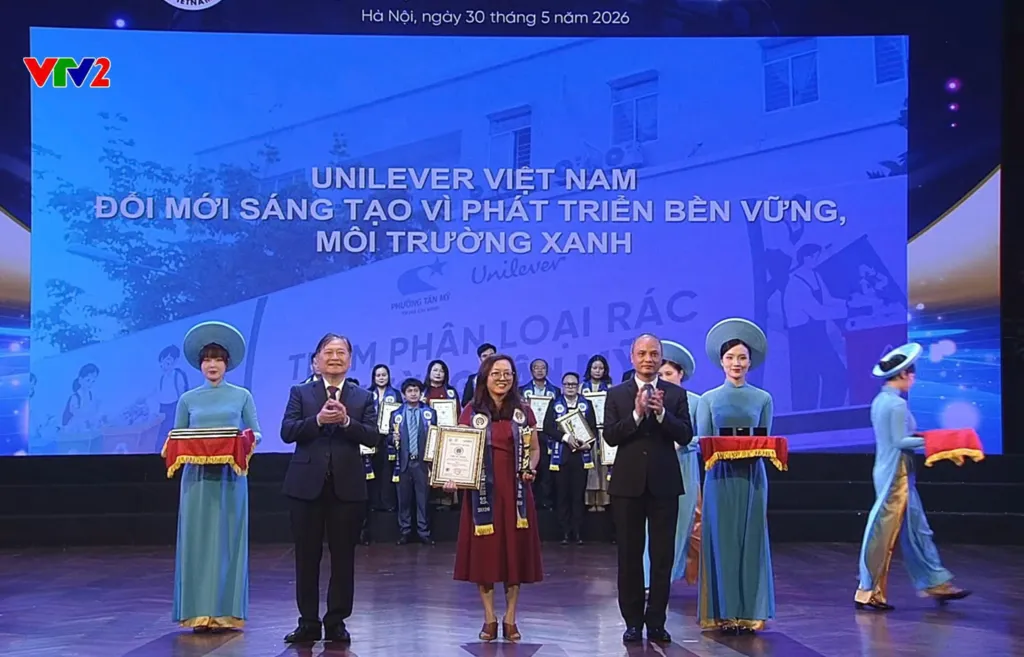
| Unilever Vietnam named among Top 50 Sustainable Enterprises 2026. Photo courtesy of Unilever Vietnam |
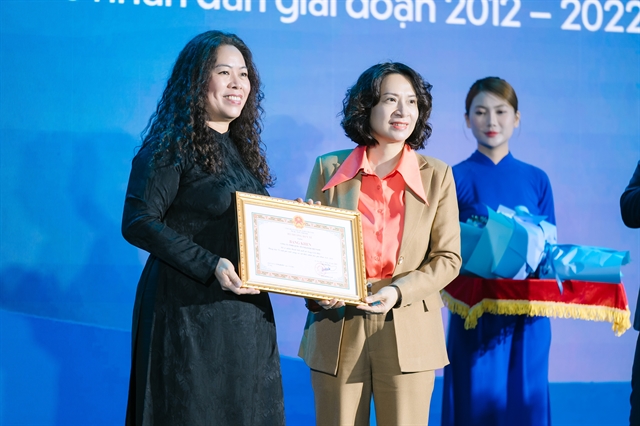
HCM CITY — Unilever Vietnam has been recognised among the Top 50 Sustainable Enterprises in Vietnam 2026 in the category of “Products and Leadership in Responsible Consumption”, marking the latest recognition of the company's efforts to promote sustainable production and responsible consumption. The award was presented at a ceremony organised by Nhịp Cầu Đầu Tư magazine in HCM City on June 11.
The recognition follows another sustainability accolade received on May 30, when the company won the Vietnam I4 Impact Awards 2026 for its integrated Material Recovery Facility (MRF) model in Tân Mỹ Ward, HCM City.
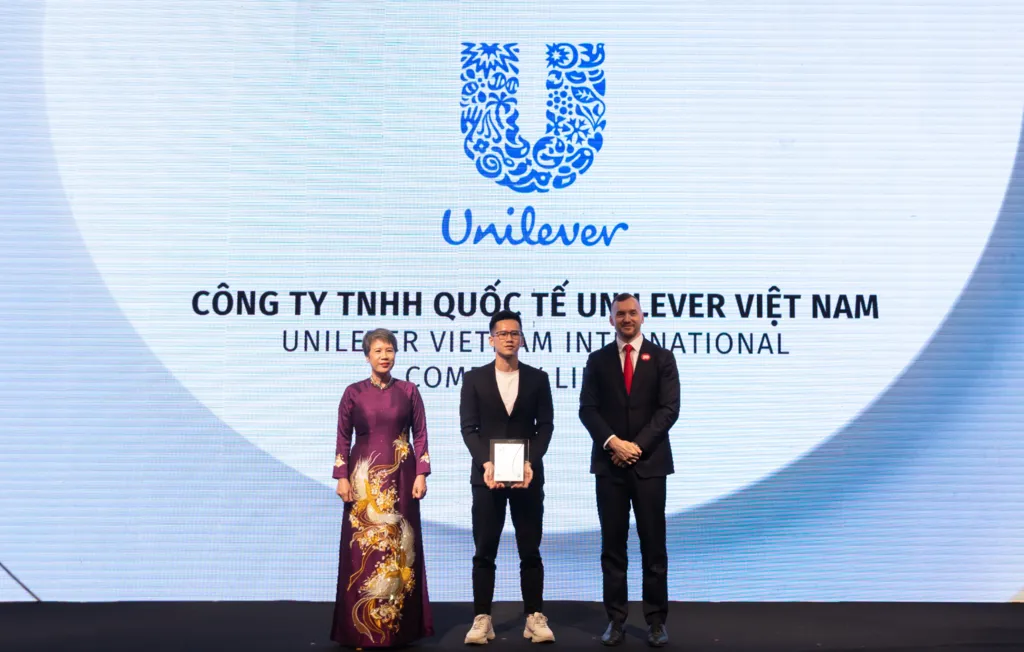 |
| Unilever Vietnam honoured at the Vietnam I4 Impact Awards 2026. Photo courtesy of Unilever Vietnam |
The consecutive awards highlight the company’s efforts to combine green transformation with digital innovation in developing environmental solutions that can be measured, scaled and integrated into daily life. These initiatives range from product innovation and packaging improvements to the application of technology in waste sorting, collection and recycling.
The achievements come during the Month of Action for the Environment and in response to the World Environment Day, as Việt Nam continues to promote green growth, the circular economy and its commitment to achieving net-zero emissions by 2050.
In the fast-moving consumer goods sector, sustainability increasingly requires companies to address the entire lifecycle of products, from formulation and production to consumption, collection and recycling after use.
According to Unilever Vietnam, its sustainability strategy focuses on reducing environmental impacts across the value chain while making responsible consumption choices more accessible to consumers.
One example is Sunlight Thiên Nhiên dishwashing liquid, which uses Rhamno technology and plant-based cleaning ingredients. The product is free from added colourants and parabens, while its formula is reported to be up to 99.7 per cent biodegradable. The company said the improvements aim to maintain cleaning performance while reducing environmental impacts.
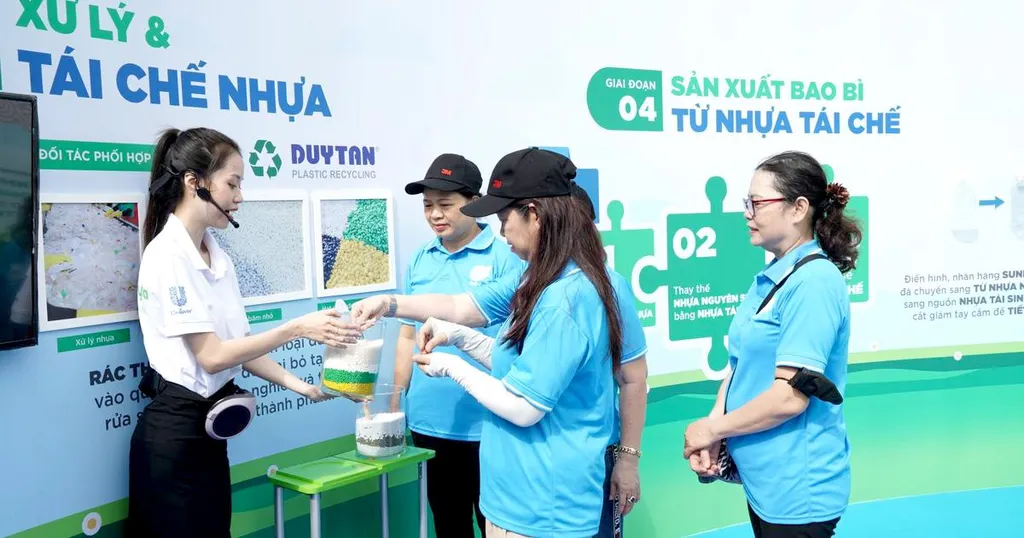 |
| Unilever Vietnam promotes responsible consumption through sustainability initiatives. Photo courtesy of Unilever Vietnam |
The product’s packaging also incorporates recycled plastic under circular economy principles. Unilever said post-consumer recycled (PCR) plastic accounts for up to 100 per cent of material used in 750g bottles and 80 per cent in 3,500g bottles, helping reduce approximately 1,400 tonnes of virgin plastic annually.
Beyond product design, the company has also expanded efforts to improve post-consumer waste management.
In April 2026, Unilever Vietnam launched a Material Recovery Facility in HCM City. The facility integrates digital technology through the Grac application, enabling households, collectors and recyclers to track recyclable materials throughout the collection and recycling process.
The company said the system enhances transparency, improves recovery efficiency and supports the return of materials to production cycles.
Industry observers note that such initiatives reflect growing efforts by businesses to contribute to Việt Nam’s transition towards a circular economy. However, long-term impact depends on collaboration among companies, local authorities, technology providers, waste collectors, recyclers and consumers.
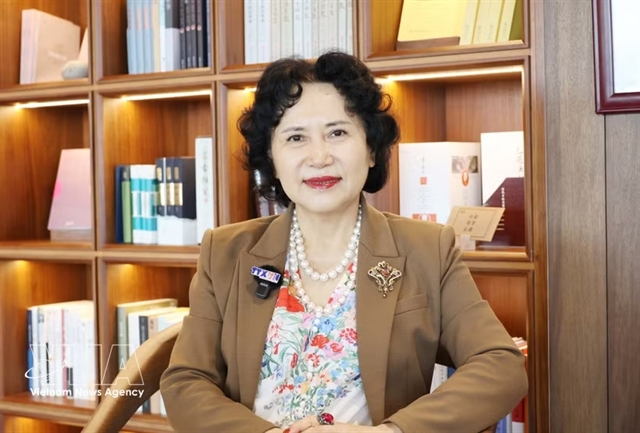
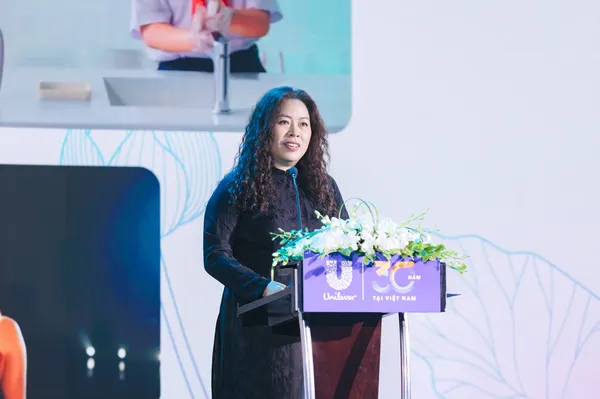
Speaking at a discussion session on global supply chains and execution capabilities during the “3P Transformation Summit” organised by Nhịp Cầu Đầu Tư, Bùi Thị Thanh Huyền, Vice President for Home Care at Unilever Vietnam, emphasised the importance of turning sustainability commitments into everyday business practices.
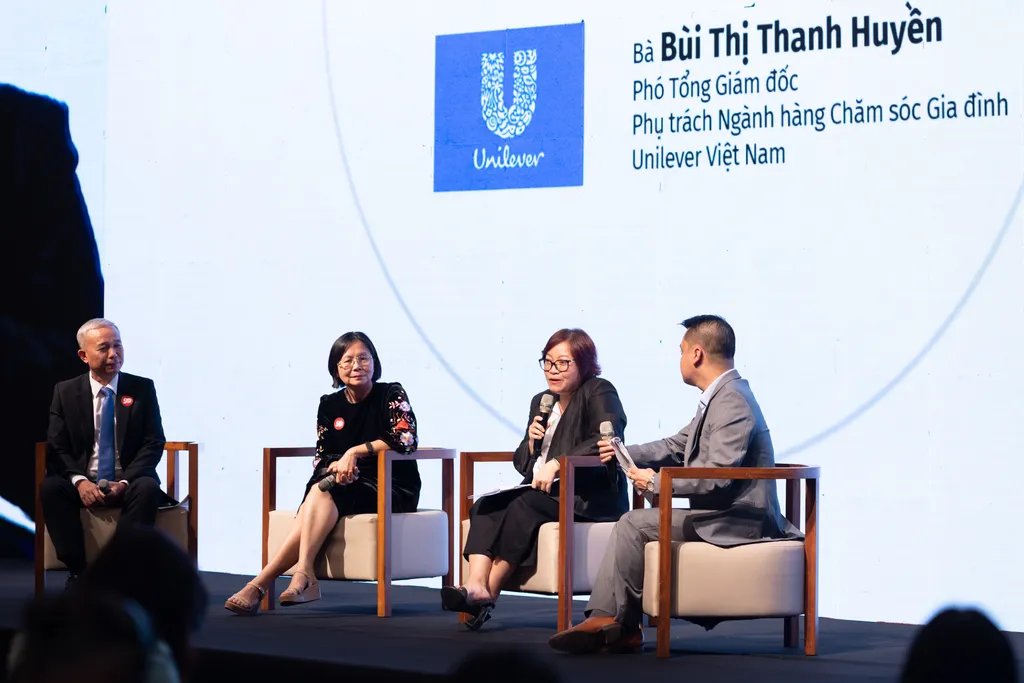 |
| Bùi Thị Thanh Huyền, Vice President of Home Care at Unilever Vietnam, speaks at the “3P Transformation Summit”. Photo courtesy of Unilever Vietnam |
“Unilever approaches the circular economy by continuously improving the entire product journey, from formulation and packaging to manufacturing and operations, in order to reduce environmental impacts while creating practical value for consumers, households and communities,” Ms. Huyền said.
She added that sustainability cannot be driven solely by businesses but requires stronger implementation capabilities across the value chain, supported by shared standards, data and responsibilities among stakeholders.
The company said it would continue working with government agencies and partners to support Việt Nam’s green growth, circular economy and sustainable development goals.
Analysts say the increasing participation of businesses in sustainability initiatives could provide further momentum for the country’s long-term environmental and development objectives.— VNS
 Brandinfo
 Rikkeisoft ký kết MOU với LAC.Co, LTD - thúc đẩy hợp tác kinh doanh toàn diện trong lĩnh vực an ninh mạng.jpg)