 Economy


Ministry eyes data architecture as quality becomes key to deeper digital transformation
1.
|
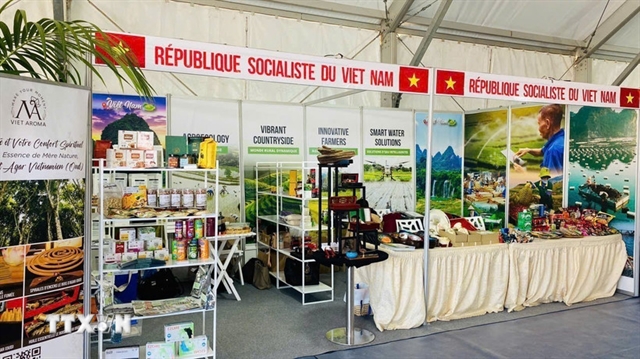
| The booth of the Vietnam Trade Office at a fair in Morocco. — VNA/VNS Photo |
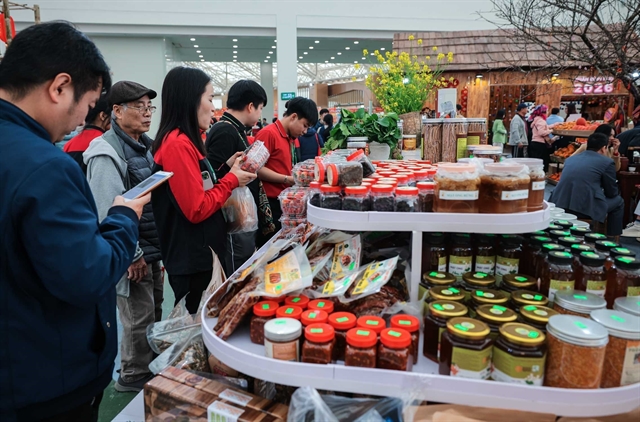
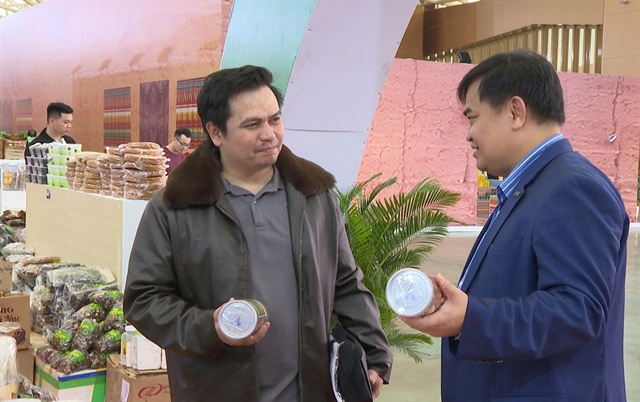
HÀ NỘI — As Việt Nam hosts the first Glorious Spring Fair 2026, the event has also opened a fresh avenue for bilateral trade exchanges between Việt Nam and Morocco, offering opportunities for importers and exporters from both countries to better understand each other's markets.
Trần Lê Dung, head of the Vietnam Trade Office in Morocco, highlighted Morocco's long-standing experience in organising large-scale agricultural and commercial trade exhibitions, pointing to events such as the International Agriculture Show in Morocco (SIAM) and other annual food, textile, handicraft, and logistics trade fairs that attract both domestic and international participants.
She explained that Moroccan organisers strive to transform fairs into promotion ecosystems, not only showcasing products but also facilitating business-to-business (B2B) connections, certification guidance, logistics support, national brand communications, and contract facilitation on site.
Dung said that Moroccan events tend to emphasise well-defined themes linked to national priorities and market demand, and they are structured along value chains, from raw materials and processing to packaging and distribution, making it easier for firms to meet potential partners efficiently.
She identified two main categories of Moroccan products that could gain traction at the Spring Fair or similar events in Việt Nam.
The first group is agricultural and food products, including olive oil, processed olives, packaged dried fruits, spices, almonds, dates, canned goods, honey, and herbs, which align with growing health-orientated consumption trends in Việt Nam and are also suitable as gift items.
The other category she mentioned includes textiles and fashion goods, such as raw materials, apparel, leather products and footwear.
Dung said that Moroccan businesses may find several advantages when introducing goods into the Vietnamese market, particularly given the distinct cultural design elements and brand identity of Moroccan products, which can diversify supply and enrich product choice for Vietnamese consumers.
Despite these opportunities, Dung noted that companies from Morocco face several obstacles when entering Việt Nam's commercial landscape.
High logistics costs due to geographical distance, stringent quality standards and food safety regulations, requirements for Vietnamese-language labelling, and the complexity of registration and certification procedures all present challenges.
She also pointed out that consumer awareness about Moroccan goods remains relatively low in Việt Nam.
Vietnamese products in the Moroccan market
Conversely, certain Vietnamese products are already gaining recognition in Morocco, Dung said. These include coffee, cashew nuts, pepper, cinnamon, star anise, electronic components, textiles, footwear, and competitively priced consumer goods.
Urban consumers in Morocco are increasingly interested in Asian food products, spices, and convenient ready-to-eat items, especially in large cities.
She emphasised that Vietnamese firms benefit from strong production capacity, competitive pricing and the ability to fulfil large orders, making their products attractive to Moroccan importers.
Morocco also serves as a gateway into North and West African markets, with developed port infrastructure and growing demand from importers seeking to diversify product sources.
At the same time, Dung pointed out several challenges for Vietnamese enterprises considering the Moroccan market, including higher transportation costs due to distant logistics, certification and quarantine requirements, especially for food products, and language barriers on packaging (French and Arabic).
She also said that Vietnamese firms may face stiff competition from traditional suppliers in the region, such as the European Union, Turkey, and China.
For food products in particular, Halal certification and clear quality labelling are crucial for success. She highlighted that Vietnamese businesses need long-term strategies, including selecting reputable import partners, preparing strong technical dossiers and product designs, and investing in brand building.
|
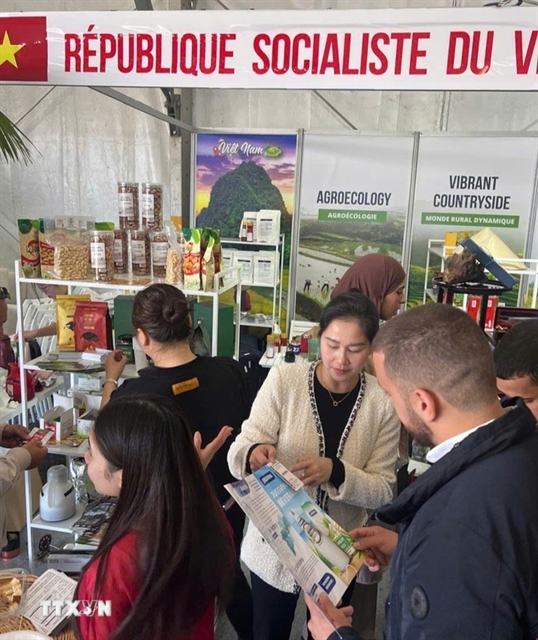
| Trần Lê Dung, head of the Vietnam Trade Office in Morocco, speaks to visitors at the Việt Nam booth. — VNA/VNS Photo |
A springboard for deeper cooperation
Dung said that trade fairs with diverse international participation create positive competitive pressures for Vietnamese goods.
When consumers have access to a wider range of products, standards for quality, packaging, convenience, and traceability inevitably rise, encouraging Vietnamese firms to enhance product quality, quality management and marketing capabilities.
She added that fairs like the Spring Fair are fertile grounds for new forms of cooperation, including distribution partnerships, agency agreements, contract manufacturing, technology transfer in processing and packaging, standardisation of procedures, and even joint ventures.
Dung also emphasised that raising the technology content of products goes beyond machinery. It also includes supply chain management, quality standards, digital traceability, e-commerce, and market data analytics.
She suggested that integrating specialised seminars on innovation, international standards, and green transition alongside the exhibition would further enhance trade fair effectiveness.
To deepen business ties between the two countries, Dung that the Vietnam Trade Office in Morocco plans to focus on several key activities this year. These include promoting Vietnamese products through fairs held in Morocco, such as SIAM in April and the SIEMA Food Expo in September, with an emphasis on agricultural, food, and consumer goods.
In addition, the office intends to expand B2B promotion activities, organise online matchmaking conferences and theme-based business sessions, introduce reputable Moroccan importers and distributors, and support direct engagement between Vietnamese companies and Moroccan partners.
Cooperation will also extend to industry associations, enterprise groups, and delegation exchanges, allowing Vietnamese and Moroccan businesses to directly participate in trade events in both countries.
According to Vietnamese statistics, Morocco is among the top 10 export markets for Việt Nam in Africa. Two-way trade reached US$380 million in 2025, up 25 per cent from 2024, illustrating substantial potential for further growth in bilateral commerce. — BIZHUB/VNS
Economy
 Economy
 Economy
 Economy
.jpg) Economy
Economy
 Economy
 Economy
 Economy
 Economy
 Economy
.jfif) Economy
Economy
 Economy
.jfif) Economy
Economy
 Economy
 Economy