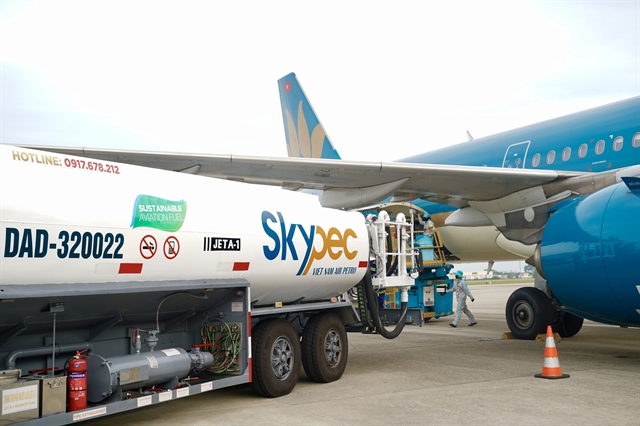
Việt Nam has the potential to produce about one million barrels of SAF a day between 2030 and 2050, supported by abundant agricultural residues from crops such as rice and cassava.
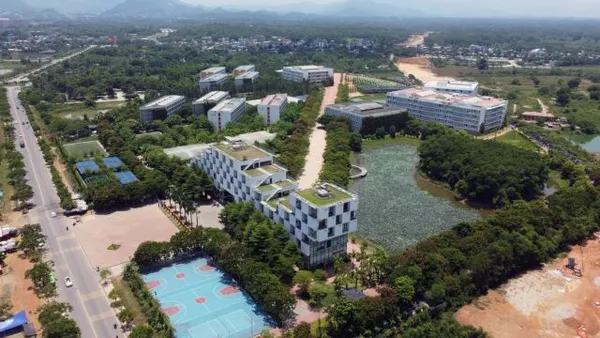
The effort took a major step forward on June 2 when the municipal People's Council approved four resolutions designed to address longstanding regulatory, financial and infrastructure bottlenecks that have constrained the city's innovation ecosystem and limited the commercial application of scientific research.
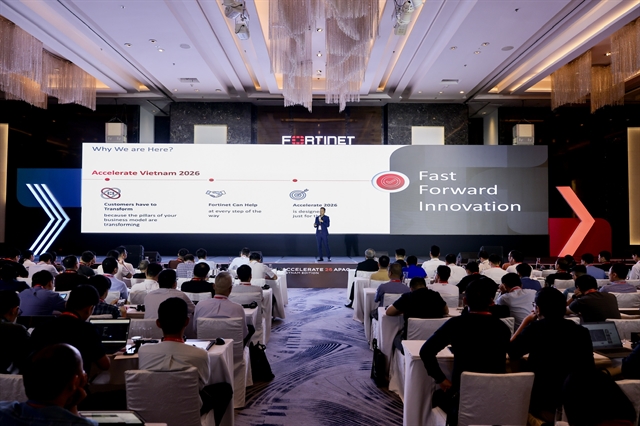
Fragmentation, alert overload, and rising AI ambition are driving a shift toward platform-based, AI-powered security
Although Việt Nam has become an attractive destination for global foreign direct investment (FDI), most Vietnamese businesses have remained outside global supply chains or only take part in the lowest value-added stages.
Vietnamese swimmers finished their sixth Asian Beach Games with a silver medal in the mixed relay 4x1,500m Open Water Swimming event in Sanya, China on April 27.
A broad easing trend in deposit rates is spreading across the banking system, yet lending rates continue to adjust only gradually, with limited real impact on businesses.
After a prolonged period at low levels, lending rates at banks have begun to edge up again, placing a heavier burden on borrowers, both individuals and businesses.
The geopolitical situation is creating three major layers of risk for Vietnamese firms: energy price volatility, logistics disruptions and exchange rate fluctuations.
A surging interest rates directly determine repayment capacity and long-term financial performance.
As gold prices soared then plunged, many retail buyers shifted interest to silver, seen as a more accessible store of value amid tightening gold supplies and elevated prices.
HCM City’s dynamic start-up ecosystem – ranked among the world’s top 110 and among Southeast Asia’s top five – reflects the country’s rising ambition to promote innovation as a new engine of growth.
The potential demand for infrastructure bonds is huge. When the new policy is activated, the market will accelerate strongly.
The proposal to exempt construction permits for individual houses under seven floors in urban - raised during the amendment of the Construction Law - is attracting significant attention from the public and experts.
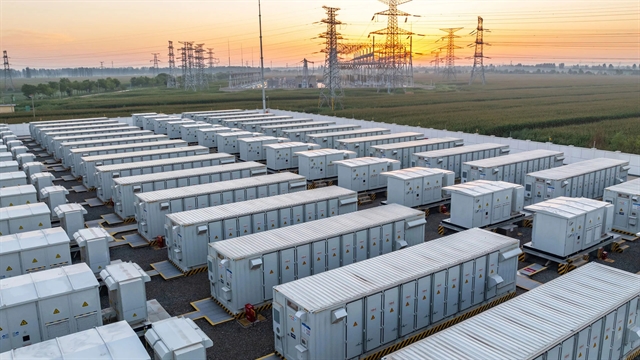
BESS is no longer viewed as auxiliary equipment but as a core component of the clean-energy ecosystem. The technology enables the storage of renewable electricity, stabilises grid frequency, eases transmission congestion and smooths peak and off-peak loads.
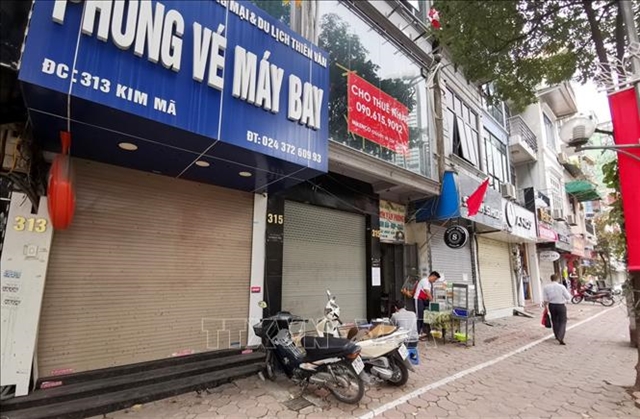
A large wave of closures is prompting renewed scrutiny of Việt Nam’s bankruptcy law, as many argue that the current framework neither reflects market realities nor provides an effective safety net for struggling firms.
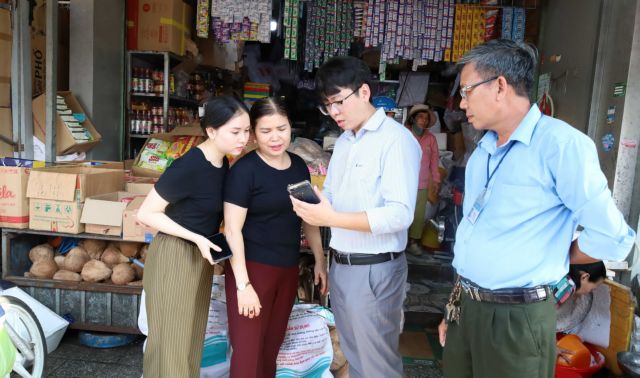
Under the plan, all business households nationwide will switch to a self-declaration and payment, starting from January 1, 2026, putting an end to lump-sum tax mechanism that has been in place for decades.
To ensure that policies are implemented effectively, fairly, and sustainably, it is urgent to amend and supplement the Land Law, particularly regarding the land valuation mechanism.
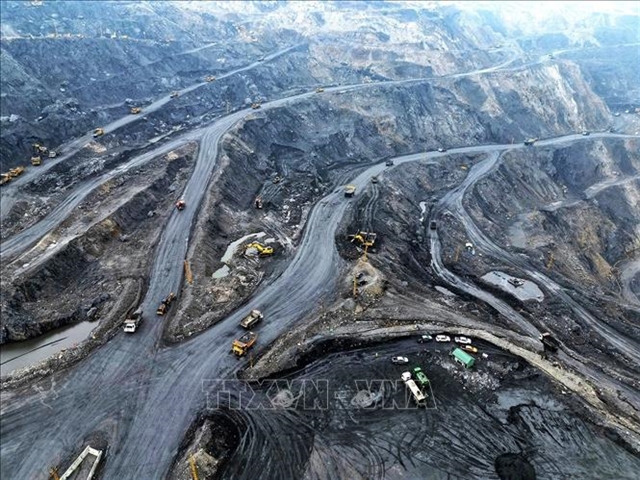
With the Law on Geology and Minerals 2024 coming into effect on July 1, 2025, the sector is expected to enter a new era of transparency, efficiency and sustainability, but it requires collective commitment from regulators, enterprises and the community for the law to become an effective management tool.
.jpg)