 Features

European higher education week opens new opportunities
1.
From village legends to box-office hits, Vietnamese horror films are proving that folklore, when reimagined on screen, can captivate a new generation of audiences.
That shift is evident in the success of Phí Phông: Quỷ Máu Rừng Thiêng (The Blood Demon), which has grossed VNĐ155 billion (US$5.8 million), making it the highest-grossing Vietnamese horror film of all time, according to Box Office Vietnam.
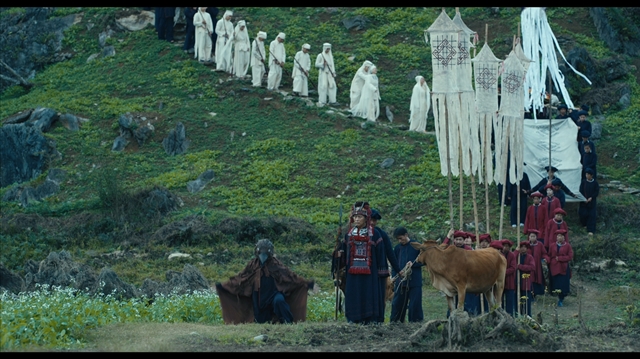 |
| 'The Blood Demon' is the highest-grossing Vietnamese horror film of all time.- Photo courtesy of Bluebells Studios |
Drawing on the figure of Phí Phông, a bloodthirsty demon from the folklore of Việt Nam’s upland communities that has haunted generations, director Đỗ Quốc Trung’s film goes beyond conventional thrills. Rather than merely telling a gripping story, it foregrounds belief systems, ritual practices and the spiritual life of the community — a focus that sets it apart from many works in the genre.
An attraction of The Blood Demon is its effort to balance entertainment with cultural depth. Exorcism rituals, ancestral worship and notions of the unseen world are rendered with evident care and research, lending the film a strong sense of authenticity.
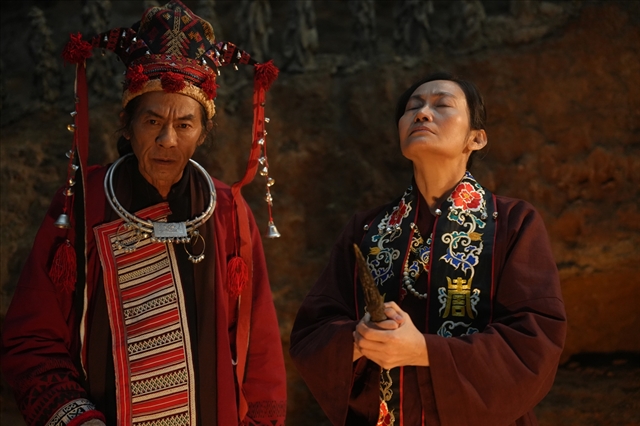 |
| The psychological horror film marks a notable effort to draw on Vietnamese folk material. — Photo courtesy of Bluebells Studios |
Box-office surge
Kicking off the wave of Vietnamese folk horror in 2026, Quỷ Nhập Tràng 2 (The Corpse 2) premiered in March. Building on the success of its prequel, the film portrays the distinctive spiritual culture of the Mekong Delta.
Set in a disused dyeing workshop in the southern province of An Giang, the film draws on the folk belief of quỷ nhập tràng – the notion that the dead can return to life after being possessed by malevolent forces.
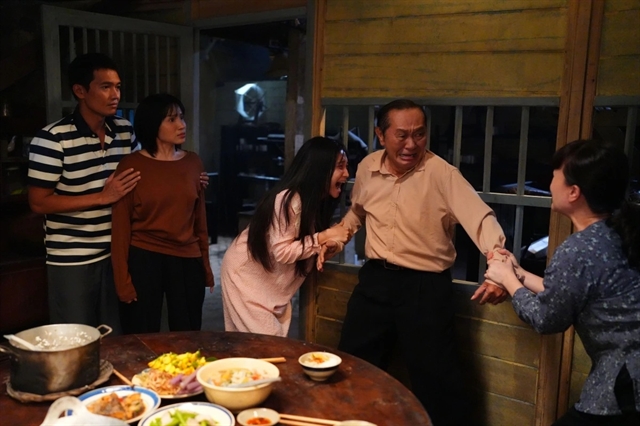 |
| 'Quỷ Nhập Tràng 2' (The Corpse 2) portrays the distinctive spiritual culture of the Mekong Delta.- Photo courtesy of CGV |
Within just one week of its release, the film reached the VNĐ100 billion ($3.8 million) mark at the box office and has become the second highest-grossing Vietnamese horror film of all time, with total earnings exceeding VNĐ133 billion ($5 million).
Building on the momentum of earlier folk-horror titles, Heo Năm Móng (Hell Trotter) draws on a chilling Khmer legend about a five-clawed pig known as Cô Năm Hợi, believed to be a sentient creature bound to vengeful spirits.
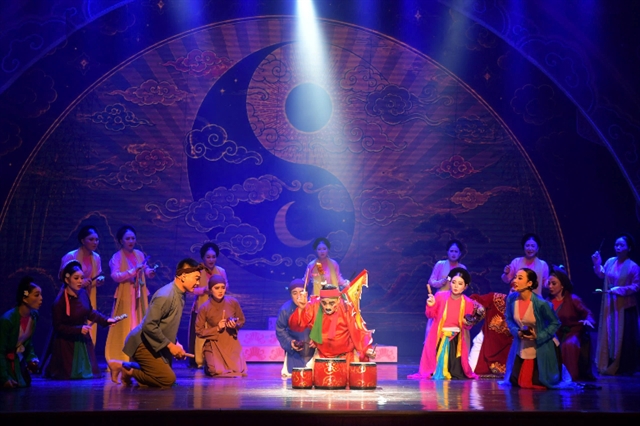
In addition to its horror elements, the film also recreates the ritual of múa bóng rỗi, a dance and singing art form performed at Mother Goddess worship ceremonies commonly seen at communal temple festivals across southern Việt Nam.
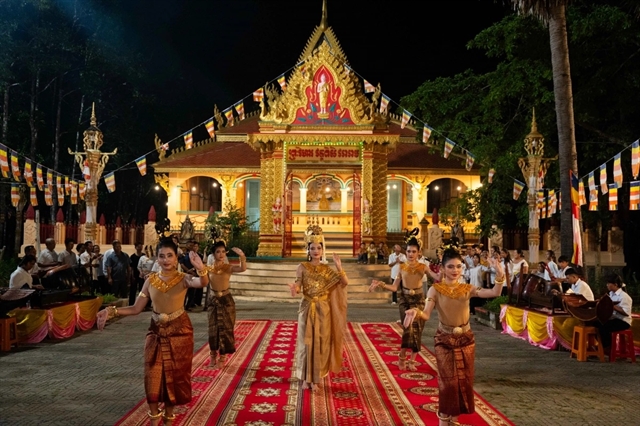 |
| 'Heo Năm Móng' (Hell Trotter) draws on a chilling Khmer legend. Photo courtesy of Galaxy Studio |
According to Box Office Vietnam, the 18+ horror film grossed over VNĐ90 billion (approximately $3.4 million) within just 10 days of release.
In June, Vietnamese cinema will welcome another highly anticipated horror film, Ma Xó (Household Spirit). Based on long-standing legends and beliefs, the figure of the ma xó in Eastern culture is often understood as the spirit of the dead that knows every corner of a household. In the film, this element is explored through a cinematic lens, reflecting human psychology in moments of crisis.
“The film team has conducted research into legends, rituals and long-established spiritual beliefs passed down through Vietnamese life, especially in the southern region,” said Nguyễn Ngọc Thạch, a representative of producer 856 Pictures.
“Our goal is to build a cinematic world with a clear cultural foundation, approached with respect, careful selection and responsibility, rather than using spiritual elements as a tool for sensational ‘shock value',” he added.
Cultural roots
Vietnamese folk horror, with its rich trove of legends, beliefs and rituals across regions, provides an almost endless source of material for filmmaking creativity.
These stories, closely tied to spiritual life – from familiar everyday practices to lesser-explored legends such as Ma Xó – all contain conflict, fear and cultural depth.
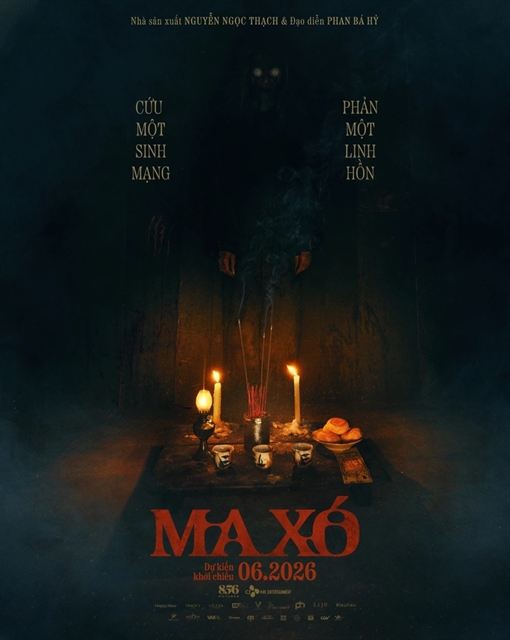 |
| The poster for Ma Xó (Household Spirit), set for release this June. — Photo courtesy of 856 Pictures |
In recent years, horror films have become a familiar entry point for many young directors. Without relying on star-studded casts or large budgets, the genre wins over audiences with raw, original fear – an element that spreads easily and appeals to a wide audience.
“Horror films are easy to sell in Việt Nam,” said director Đỗ Quốc Trung of The Blood Demon. “Thanks to this, many film studios have emerged and many directors have entered the industry through horror films."
Notably, moviegoers are drawn not only to performances but also to the mystery of the spiritual world – its beliefs, customs, practices and unexplained elements embedded in everyday life. These are materials closely tied to Vietnamese folk beliefs.
“Audiences enjoy frightening stories, but beneath them are lessons about morality and karma, reminding people to live kindly,” director and producer Võ Thanh Hòa said.
Quốc Nguyễn, screenwriter of Hell Trotter, believes that spirituality is a very different kind of material compared to social realism.
“The hardest part of bringing spiritual elements into a screenplay is not coming up with a frightening legend, but truly understanding how people within a cultural community perceive that belief,” he explained.
According to Nguyễn, effectively translating spiritual themes into cinematic language requires not only imagination but also genuine engagement – living alongside the people, regions, cultural practices and belief systems being written about. This helps ensure that spiritual material is not approached with superficiality or judgment.
Only by engaging with spiritual and cultural values with respect can a writer tell a truly compelling and emotionally resonant cinematic story.
After Ma Xó, Việt Nam’s indie film market is expected to become even more vibrant, with the participation of more young directors as well as projects that explore social issues in fresh ways.
As audiences increasingly demand higher quality and greater authenticity, folk-inspired films are emerging not only as a commercially viable choice, but also as a vital means for Vietnamese cinema to shape and preserve its distinct cultural identity. VNS
Features
 Features
 Features
 Features
 Features
 Features
 Features
 Features
 Features
 Features
 Features
 Features
 Features
 Features
 Features