 Sports
HCM City detains 21 in environmental data falsification probe
1.
|
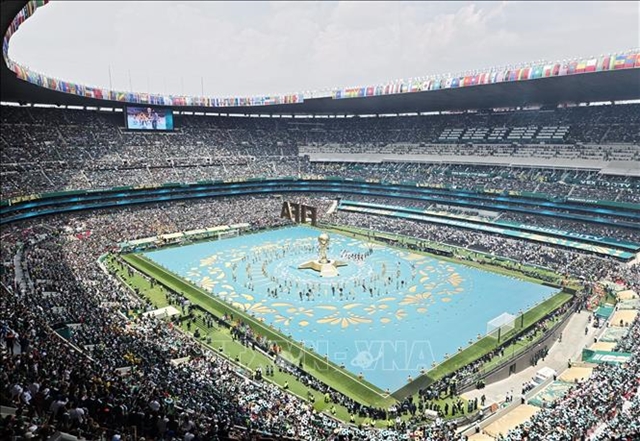
| A view of the FIFA World Cup 2026 opening ceremony in Mexico City, Mexico, on Thursday. — Yonhap/VNA Photos |
MEXICO CITY — Mexico delivered a culturally rich and visually striking opening ceremony for the 2026 FIFA World Cup at the iconic Azteca Stadium on June 11 (early June 12, Hà Nội time), setting the tone for the largest tournament in football history.
According to Vietnam News Agency correspondents in Mexico, the 90-minute pre-match show transformed the historic venue — the first stadium to host three World Cup opening matches — into a vibrant festival of music, colour and emotion.
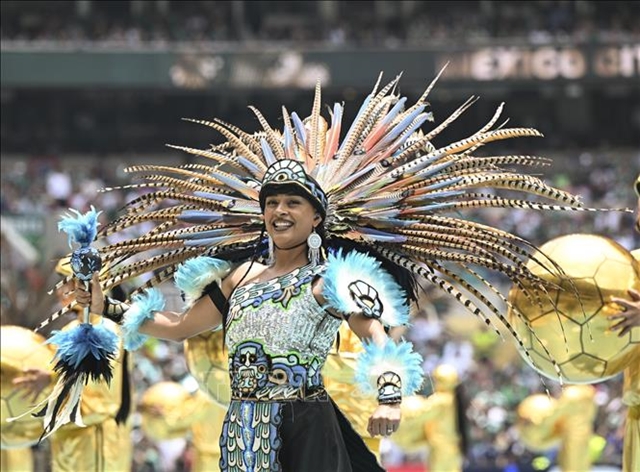
|
| An artist performs at the opening ceremony. |
The ceremony marked the start of the tournament featuring 48 national teams by highlighting Mexico’s identity through a carefully curated blend of traditional culture, contemporary art and cutting-edge performance technology.
Folk elements and indigenous cultural motifs were seamlessly integrated with modern staging, presenting an image of a country that honours its heritage while embracing the future.
A major highlight was the debut performance of the official World Cup 2026 song 'Dai Dai' by Colombian star Shakira and Nigerian artist Burna Boy. FIFA’s choice of performers from Latin America and Africa underscored the global reach of football and its power to connect cultures.
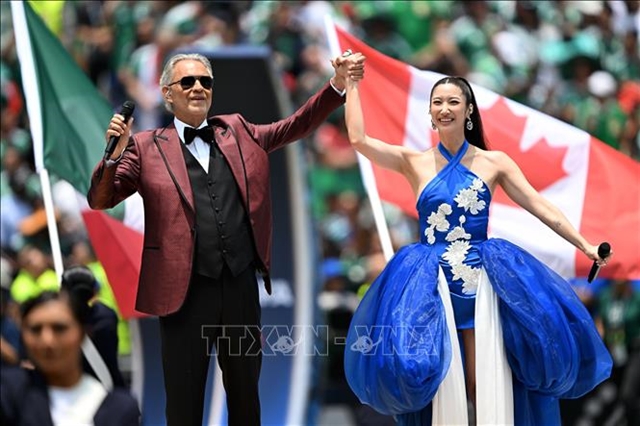
|
| Renowned tenor Andrea Bocelli (left) and singer Ejae perform during the opening ceremony. |
The ceremony also featured a strong lineup of Mexican and Latin American artists, including J Balvin, Maná, Lila Downs, Belinda, Los Ángeles Azules and Alejandro Fernández. Notably, Lila Downs - known for blending contemporary music with indigenous Mexican languages and sounds - brought an added layer of cultural depth to the show.
One of the ceremony’s most distinctive elements was the active involvement of fans inside the stadium. Through specially designed interactive segments, spectators became part of the performance, reinforcing FIFA’s message of inclusivity and shared celebration.
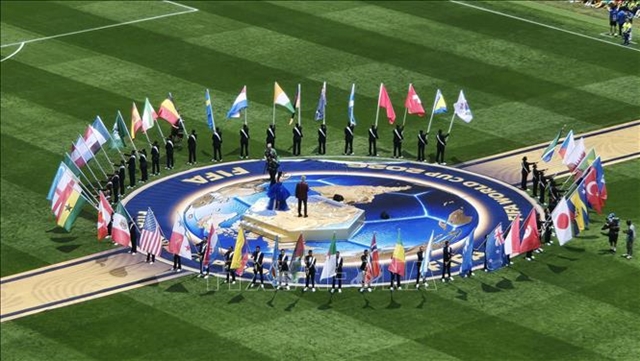
|
| National flags of participating countries are paraded during the opening ceremony for the FIFA World Cup 2026. |
The event also carried historical significance, as it launched the first World Cup to feature 48 teams and the first to be hosted across three countries. From Mexico City, the tournament will continue across host cities in the US and Canada over more than a month of competition.
Amid music, lights and roaring applause at Azteca Stadium, Mexico sent a clear message to the world: the 2026 World Cup is not only a football tournament, but a global celebration of diversity, connection and cultural exchange. — VNS
Sports
 Sports
 Sports
 Sports
 Sports
 Sports
 Sports
 Sports
 Sports
 Sports
 Sports
 Sports
 Sports
 Sports
 Sports