 Society
Việt Nam, EU sign Letter of Intent on Education and Training
1.
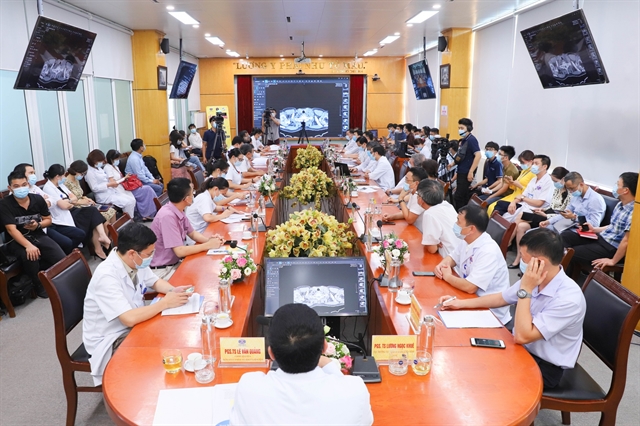 |
| A patient case reviewed remotely by specialists at K Hospital, Hà Nội. — Photo courtesy of the hospital |
HÀ NỘI — The Ministry of Health is piloting new guidelines for telemedicine and remote clinical support in 11 provinces and cities and five hospitals, aiming to expand access to healthcare, particularly in mountainous and disadvantaged areas.
The participating localities are Hà Nội, HCM City, Tuyên Quang, Thái Nguyên, Lạng Sơn, Lào Cai, Lai Châu, Tây Ninh, Cần Thơ, Vĩnh Long and Cà Mau. The five hospitals are Bạch Mai Hospital, the National Children’s Hospital, Hanoi Medical University Hospital, Chợ Rẫy Hospital and the HCM City University of Medicine and Pharmacy.
The ministry has sent a dispatch to begin implementing the pilot guidelines, which set out how remote medical consultations, examinations, treatment and professional support should be carried out.
They clarify the models of telemedicine, implementation requirements, professional responsibilities, patient safety standards and safeguards for personal health information.
The pilot will run until November 15 and facilities must report any difficulties or obstacles to the ministry so the guidelines can be revised before their formal issuance.
Two models of telemedicine
The guidelines set out two models of remote healthcare.
Under the first, healthcare professionals consult with and examine patients remotely. Under the second, they provide remote care with the assistance of medical staff at the patient’s location.
The choice of model depends on the patient’s health condition, ability to use digital devices, Internet connectivity and capacity to provide relevant medical information and health indicators. It must also reflect the healthcare facility’s professional capabilities, infrastructure and technical resources.
Under the second model, on-site medical staff can help patients use connected devices, measure and transmit health indicators, and collect medical records and test results to support clinical assessments.
The model is especially useful for older patients, people with disabilities and those who need assistance with digital devices, Internet access or sharing medical information.
Telemedicine can be used to monitor patients with stable chronic conditions, manage community healthcare, follow up with patients after discharge, assess adherence to treatment and conduct initial screening. Its use must be appropriate to the patient’s condition and the provider’s clinical capabilities.
Remote care must not replace or delay emergency treatment. Patients showing signs of a medical emergency, those whose conditions cannot be adequately assessed remotely, or those requiring a physical examination must be referred to an appropriate healthcare facility.
Surgery, medical procedures and the remote operation of medical devices are not permitted unless specific technical protocols are in place and the relevant legal requirements have been met.
Dr Hà Anh Đức, director of the Medical Services Administration, said the guidelines put into practice directives from the Politburo to bring quality healthcare closer to the public, particularly people in mountainous and disadvantaged areas.
Healthcare facilities providing telemedicine must meet regulatory requirements for operating licences, scope of practice, staffing and technical infrastructure.
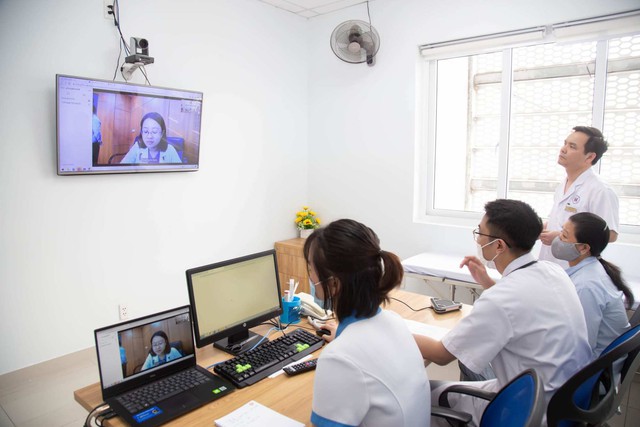 |
| A telehealth consultation on a clinical case at the Hải Phòng International General Hospital. — Photo courtesy of the hospital |
Participating healthcare professionals must hold the appropriate practising licences, work within their authorised scope of practice and take responsibility for their clinical decisions.
Patient records and medical information may be used or shared only within authorised purposes and permitted limits. Public livestreaming or the unauthorised forwarding of patient information and medical records is prohibited.
Remote consultations, prescribing and medication management must comply with existing regulations.
The guidelines also cover remote professional support between healthcare facilities, including advice on individual cases, assistance in interpreting diagnostic test results and support for chronic disease management at primary healthcare facilities.
Such advice can inform clinical decisions but does not transfer responsibility away from the healthcare professional treating the patient or the facility responsible for their care.
The pilot is intended to clarify implementation requirements, professional responsibilities and coordination between participating parties.
Healthcare facilities must ensure patient safety, maintain clinical standards and protect health information throughout the trial, in line with their capabilities and current regulations. — VNS
Society
 Society
 Society
 Society
 Society
 Society
 Society
 Society
 Society
 Society
 Society
 Society
 Society
 Society
 Society